Experts Reveal What the Face of the Man Who Created Hell Looks Like After 700 Years
Often, we know the name but never the face of our favorite authors–just the name. Sometimes, we discover that an author’s face is never revealed, even though pictures, paintings, or crude drawings of the author may exist. This is the case with Dante Alighieri.
He best known for writing his masterpiece, Dante’s "Divine Comedy," which describes a journey to Heaven, Hell, and purgatory.
Why Do We Not Know What Dante Looks Like?
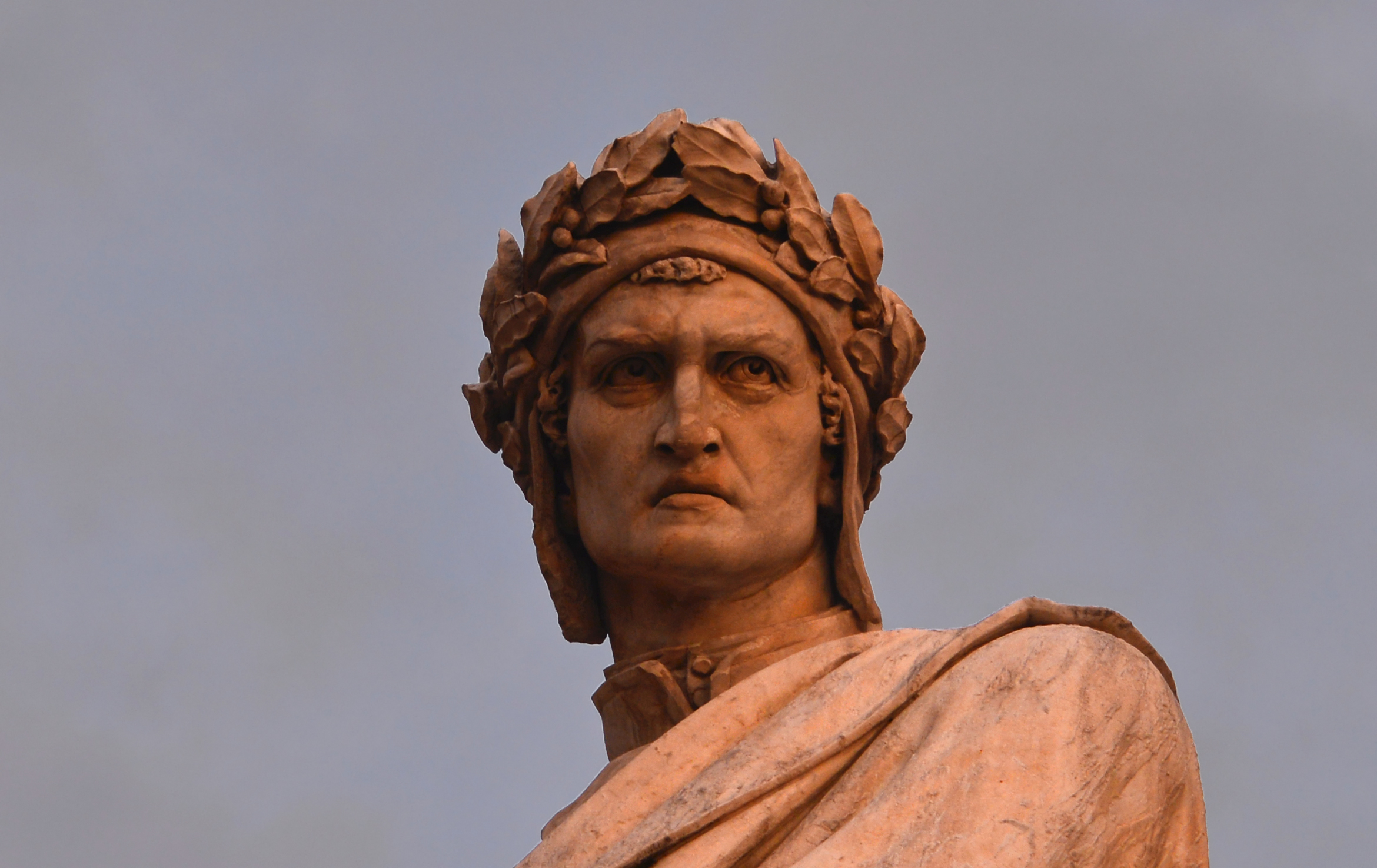
While portraits of Dante do exist–typically after he died in 1321–artists have been in a long dispute about what the poet looked like.
What Did Dante Look Like?
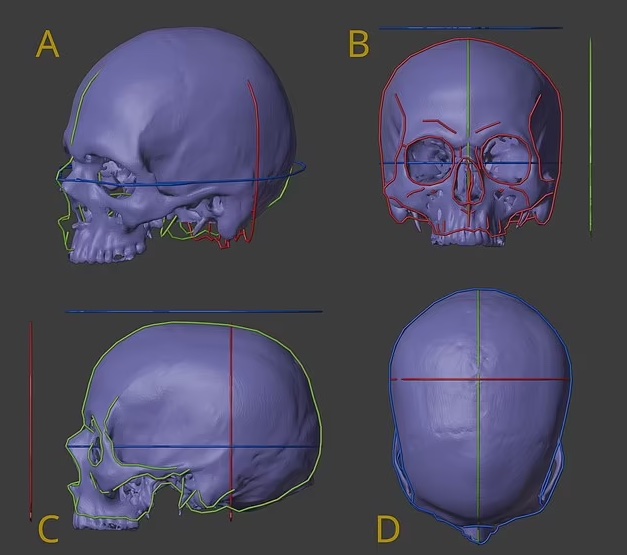
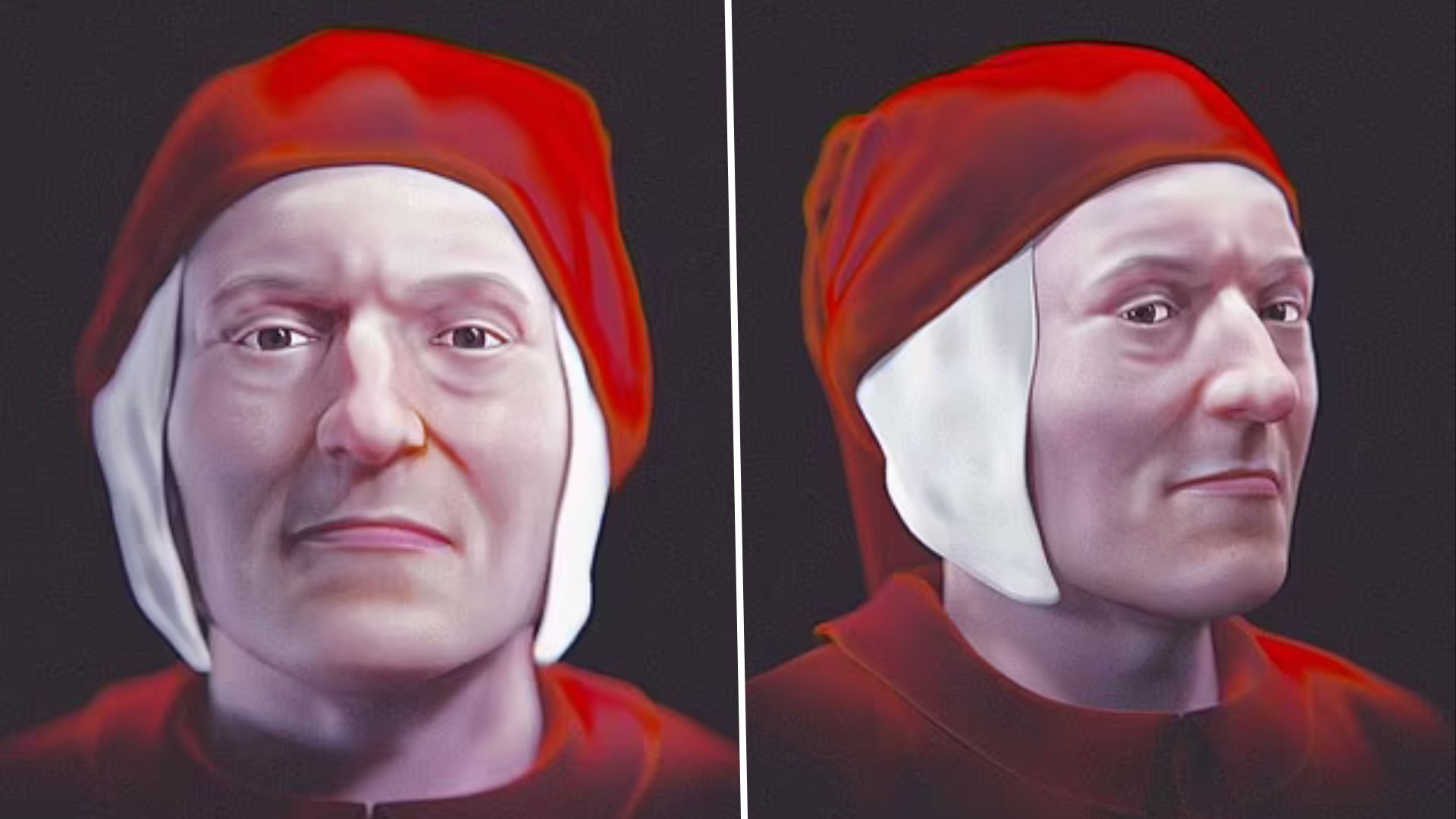
Scientists are now putting the debate to rest after they crafted a more accurate image using his skull. According to Metro, experts used modern techniques, such as 3D images, to digitally recreate the appearance of Dante.
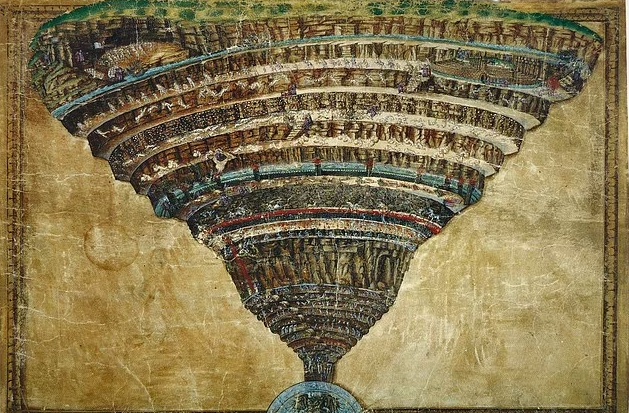
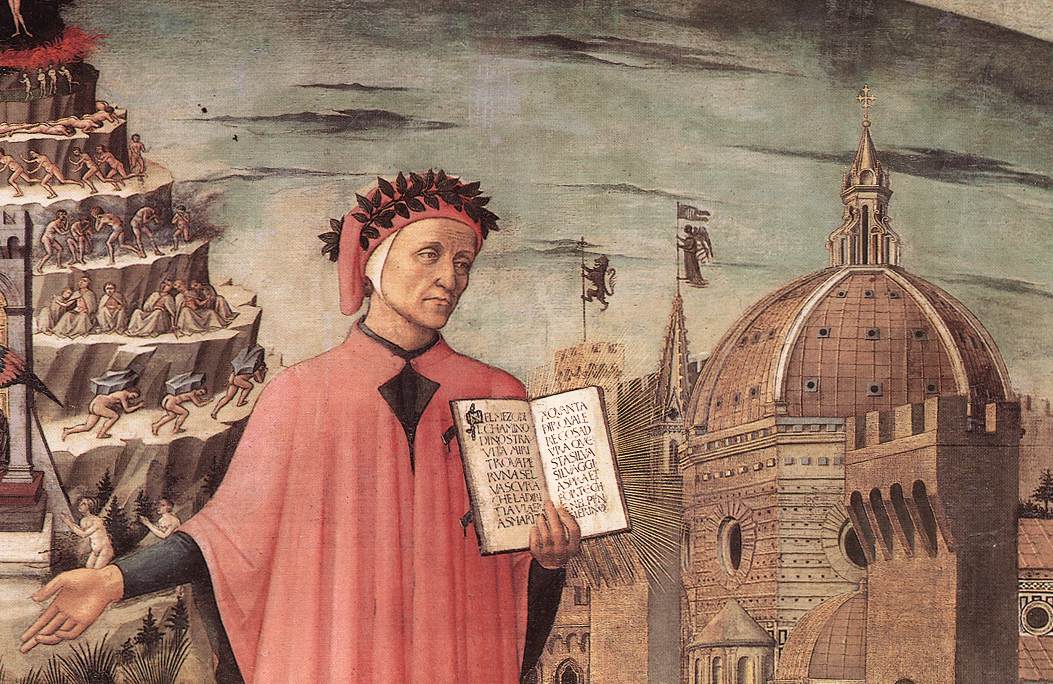
The results challenge many portrait artists' depictions of Dante. Botticelli portrayed the moral philosophy in his 1495 portrait of Dante in profile with a long nose and pointed chin. Similar to the image of the writers featured in the fresco in Florence Cathedral.
What Is the Process Behind Reconstructing a Face?
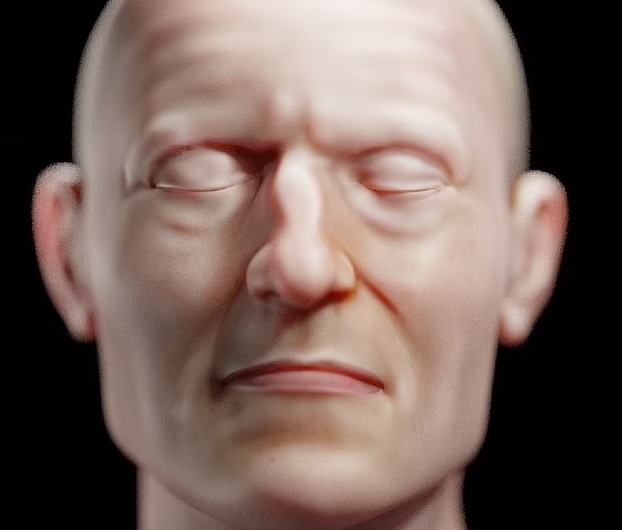
According to an interview with Doug Henderson, a graphic designer who has reconstructed faces from skulls before, this process includes sculpting a head over a plaster copy of the skull, building up the muscle structures with clay, then “fleshing it out” with softer clay.
Researchers must conduct a lot of research beforehand, comparing individuals with similar facial characteristics. At some point, they need to interpret the data to arrive at the final results.
Why Does Dante’s Face Differ from Portraits?
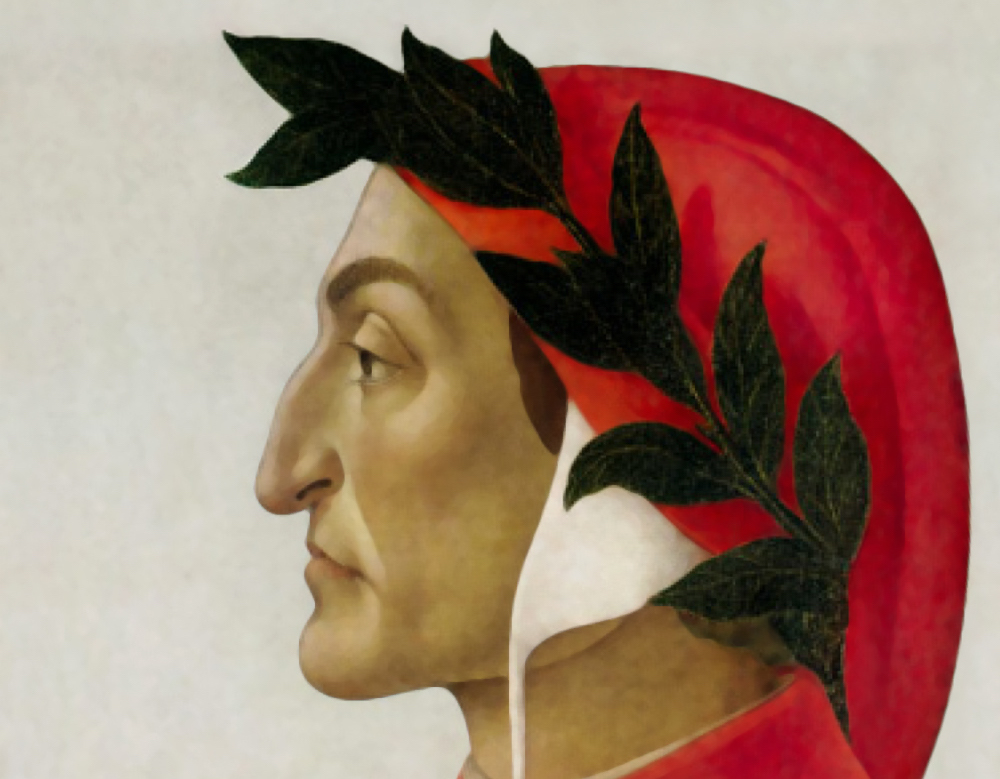
The 3D image of Dante shows that the author has a less pronounced chin and a hooked nose. This challenges the downward point that most artists depicted the author as having. The study’s lead author, Cicero Moraes, describes why traditional depictions of Dante have never been “accurate."
“Most are based on the information contained in the biography of Dante composed by the writer Boccaccio,” Moraes said.
The Two Images Showcasing Dante’s Face
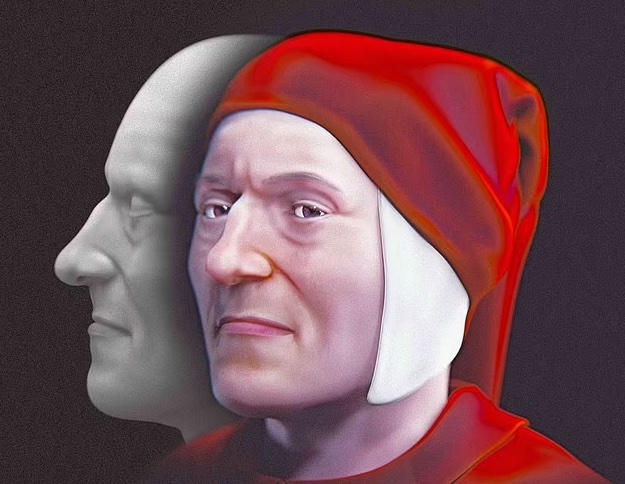
Scientists created two sets of images from the 700-year-old skull of Dante. In one set, there is a more objective approach to the reconstruction of Dante’s face without hair and with his eyes closed.
The second image, which is in color, gives Dante features, such as skin color, eye color, and clothing of his time period according to the best-known images.
Why Portraits Were Wrong
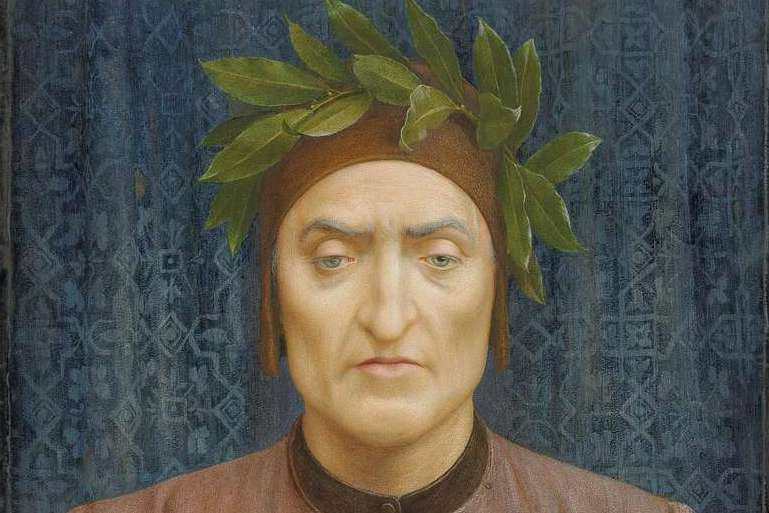
“Namely, that [Dante] was an individual of medium height, somewhat stooped, with a long face, an aquiline nose, and eyes that were more large than small,” Moraes said of Boccaccio’s written depiction of the poet.
Moraes continued: “However, Boccaccio did not know Dante personally and collected reports from people close to the poet and who lived with him. All approximations seem to follow Boccaccio’s descriptions, but we seek to do strictly what the bones indicate.”
There Could Be Room for Error
While the study may show what Dante used to look like when he was alive 700 years ago, there is some reason to be hesitant when accepting this face as the real Dante. While using a skull can show what scientists believe some people and animals once looked like, it fails to account for certain aspects.
Things like muscles, scars, and hair cannot translate through the 3D reconstructions of skulls. We can look at the nightmare sketches of animals based on their skeletons to remember this.
Why Was Dante Exiled?
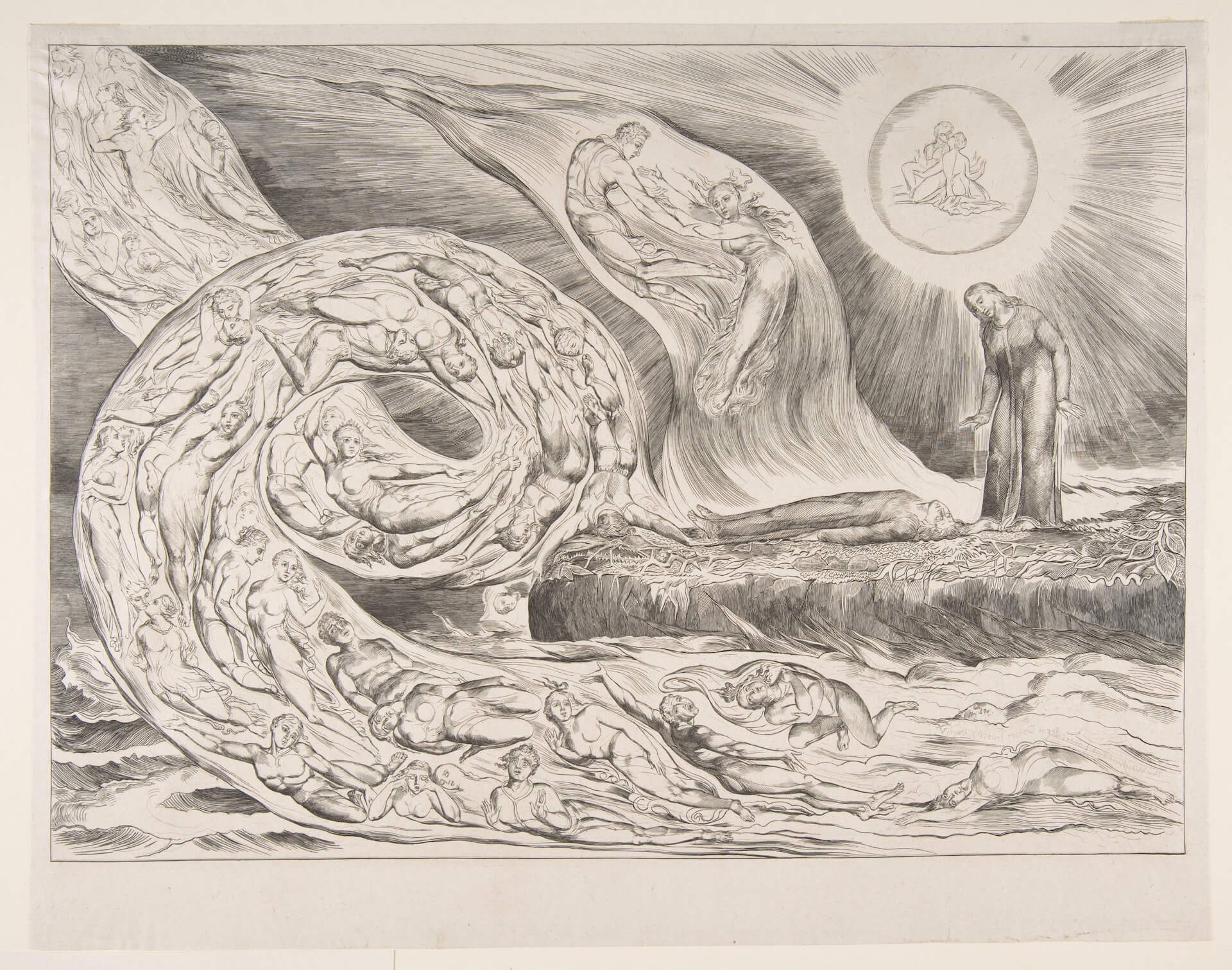
Dante’s exile deeply affected him, with his experience reflected in his masterpiece, “Divine Comedy,” which explores themes of loss, justice, and redemption.
Why Is Dante’s “Divine Comedy” Important?

Unlike the epic poems of Homer and Virgil, which captured the great stories of their community’s history, “Divine Comedy” was different. Set during the contemporary time with figures most people recognized, the allegorical journey through Hell, Purgatory, and Paradise was shocking.
Dante offered philosophical and moral judgments throughout his autobiographical, metaphorical journey toward salvation.
The Face of Hell
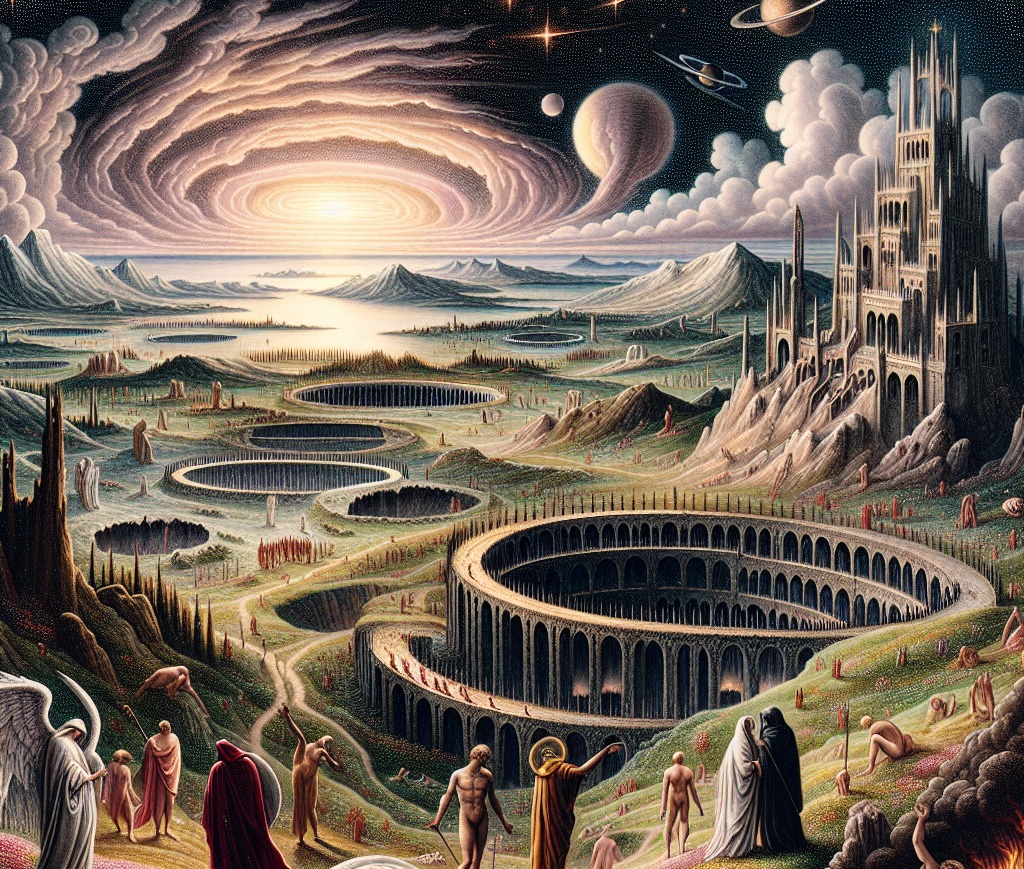
Dante’s “Divine Comedy” has become a touchstone for so many. His masterful use of language paints a horrifying yet strange captivating picture of Hell for the reader. The different circles of Hell for different sins are a unique take on what most people thought of when imagining Hell.
Dante's epic poem features visceral and unforgettable imagery, which has solidified as the stable image of Hell, inspiring centuries of artwork and prose reimagination.
Other Facial Reconstructions of Those Unknown?
Face reconstructions are something that captures the imagination of the world. Moraes reconstructed another notable figure: a 10,000-year-old African caveman nicknamed Apiuna. The image created was based on a skull found deep inside a cave during an archaeological dig in Lagoa Santa near Brazil.
The prehistoric man resembles a person of Aboriginal descent, sparking a debate about who the first ancient people to set foot in the Americas were.