Mick Jagger Was Scared to Perform Again After the Stones' Violent 1969 Altamont Concert
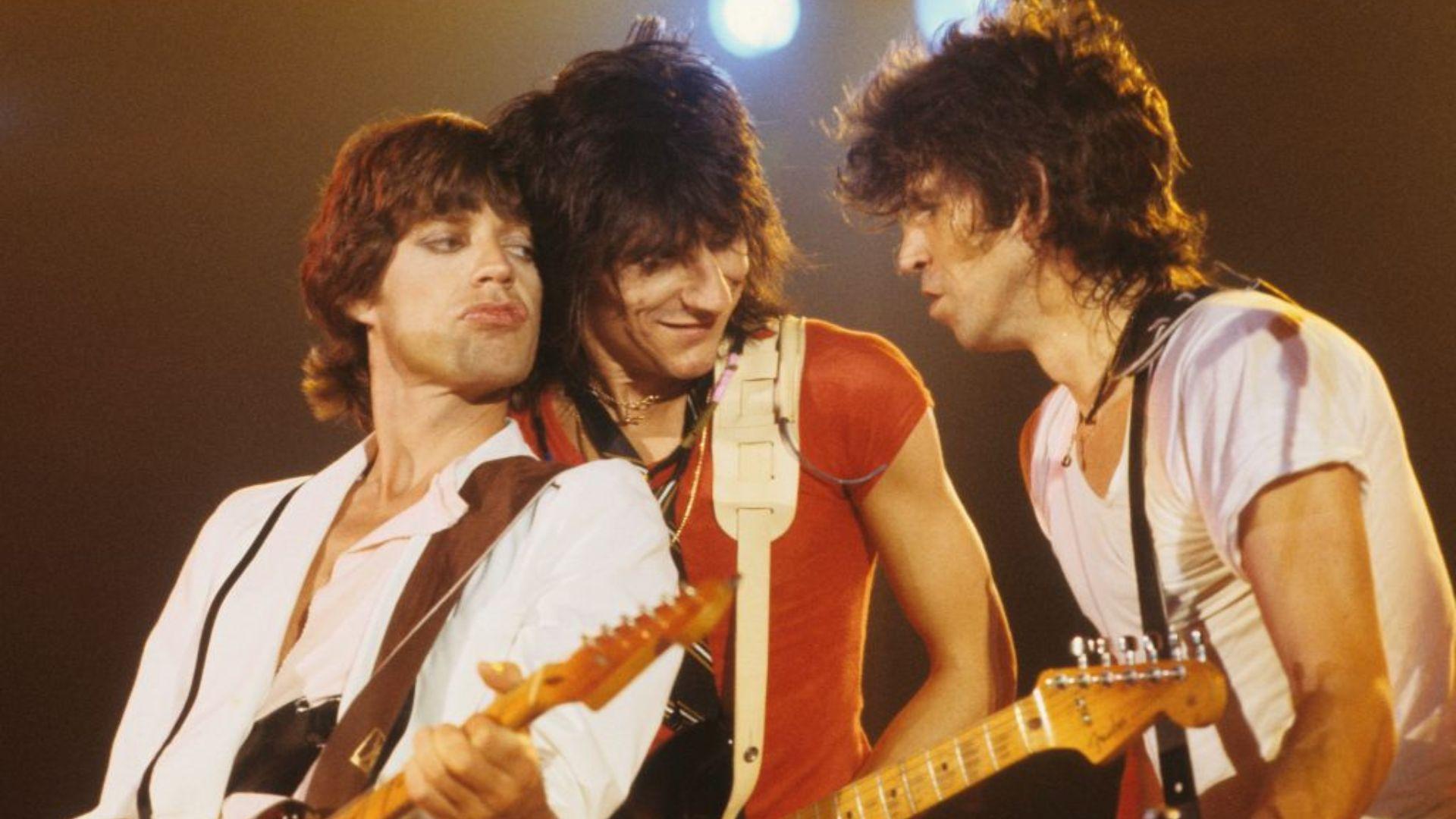
Following the tragic events at the 1969 Altamont show, Mick Jagger expressed a profound sense of fear about performing live.
In a revealing tape presented on the iHeart podcast “Stones Touring Party,” Jagger shared his feelings, stating, “Either I stopped touring or I didn’t — it was as simple as that.” This quote, recorded decades ago with journalist Robert Greenfield, highlights the deep impact the Altamont concert had on Jagger, leading him to question his future in live performances.
The Infamous 1969 Altamont Show
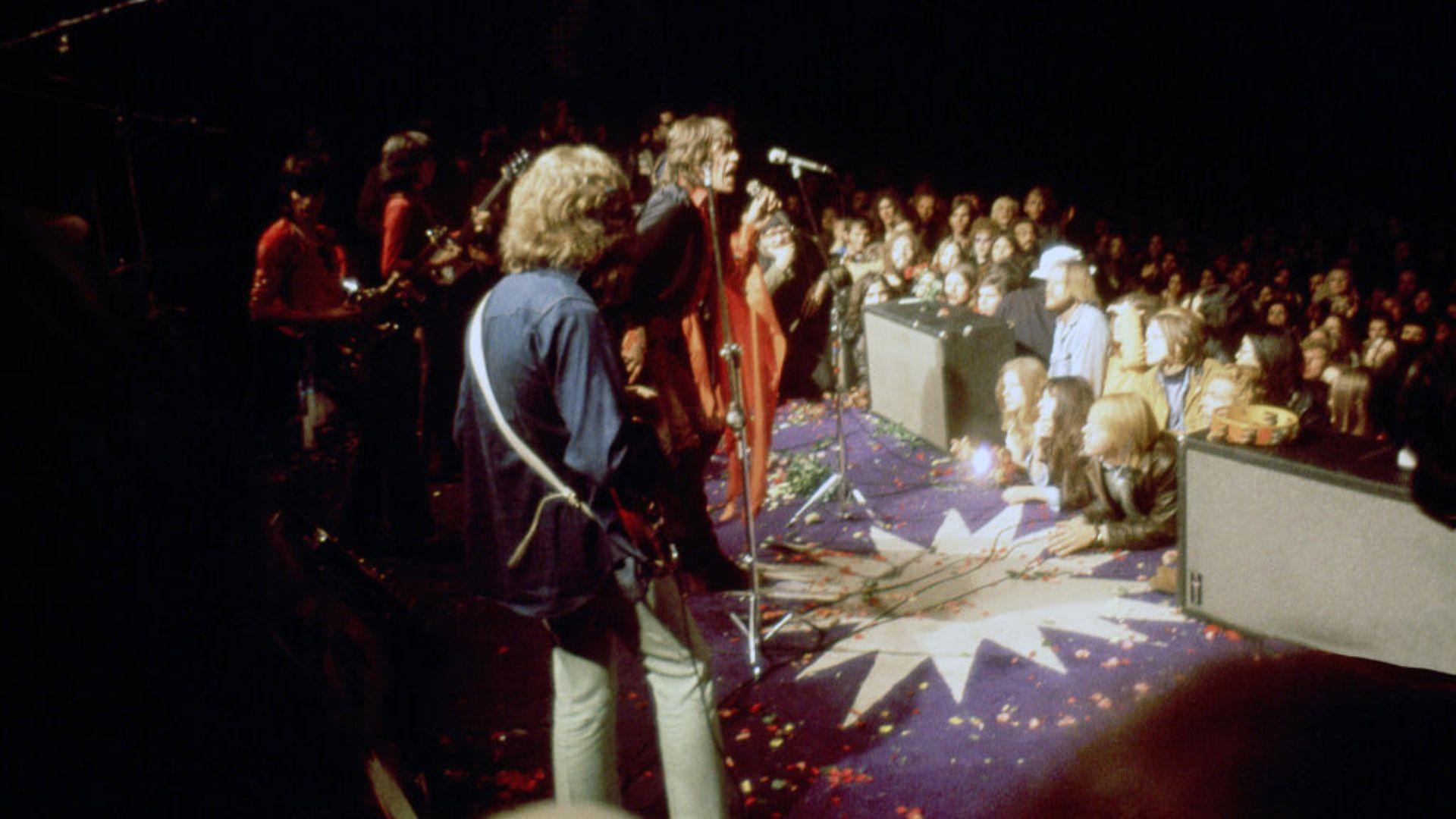
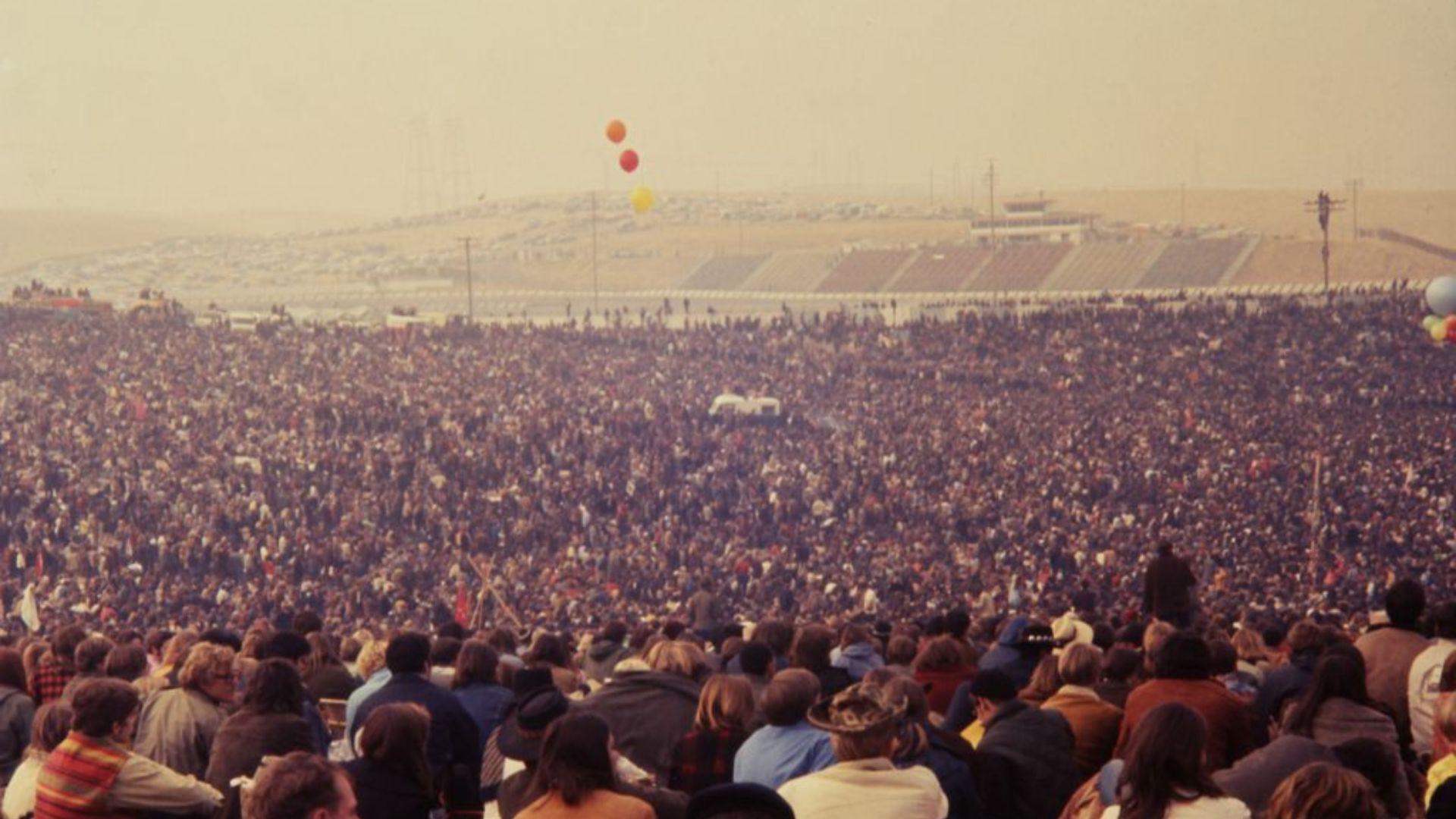
The Altamont concert, held on December 6, 1969, at the Altamont Speedway, is remembered as one of rock music's most disastrous events, People notes.
The Rolling Stones, who hosted the free concert, found themselves in the midst of chaos and violence, including the tragic death of 18-year-old fan Meredith Hunter, who was stabbed by Hells Angels security personnel. The band's decision to hire the Hells Angels for security contributed to the calamity of the event.
The Decision to Hire Hells Angels as Security
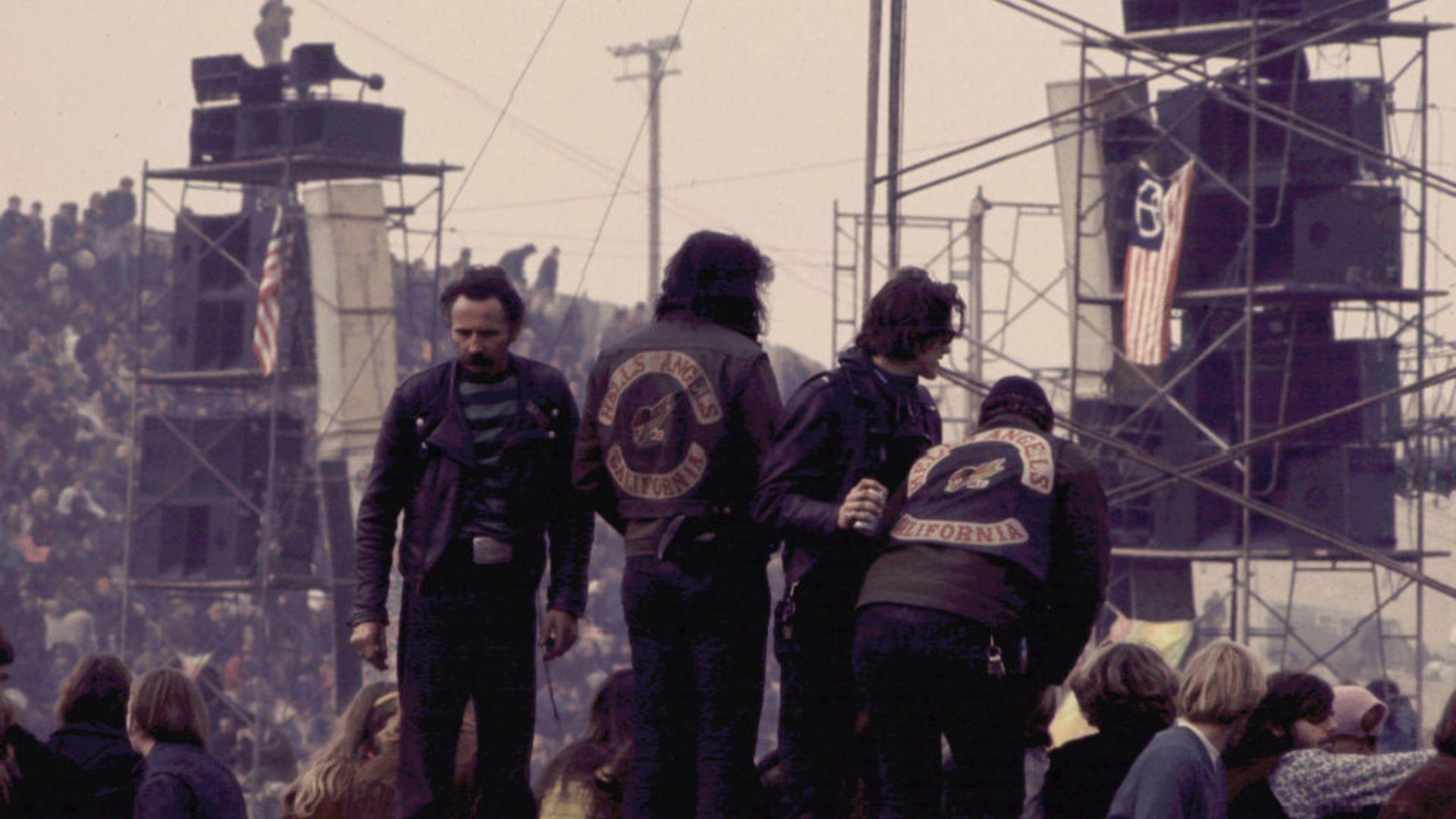
The Rolling Stones made the controversial decision to hire the Hells Angels motorcycle club as security for the Altamont concert, a choice that has been heavily criticized, according to People.
The band believed the Hells Angels could effectively manage the crowd, a decision made under the assumption that their presence would ensure order. However, the violent actions of the Hells Angels during the event led to severe consequences.
The Day of Chaos at Altamont
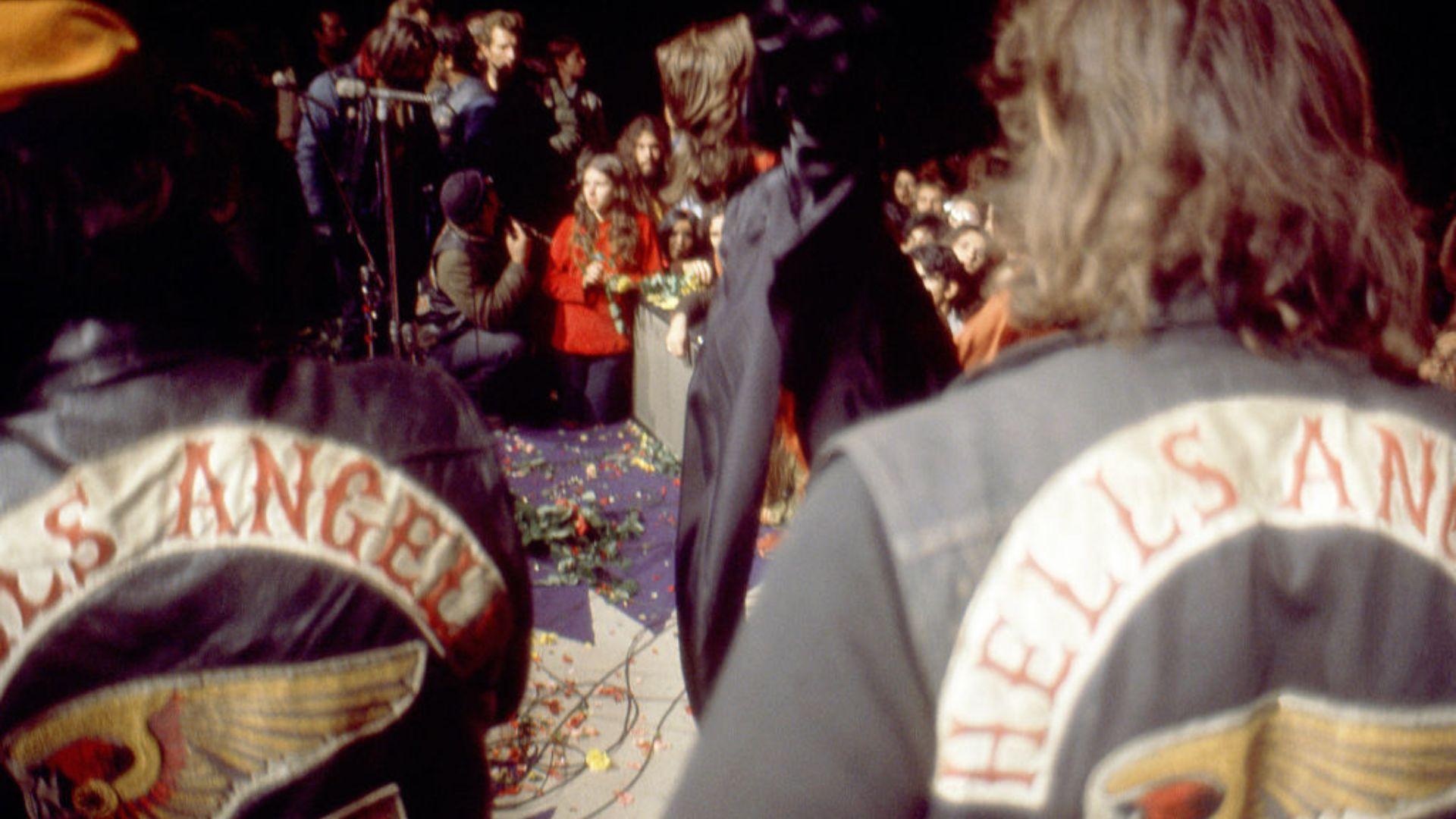
Rolling Stone explains that the Altamont concert quickly spiraled into violence, starting with Jagger being punched in the face upon his arrival.
The situation worsened as the Hells Angels employed aggressive tactics to control the crowd, using pool cues and engaging in physical altercations with attendees. This environment of hostility and aggression marked a stark departure from the intended peaceful concert experience.
The Concert's Turn for the Worse
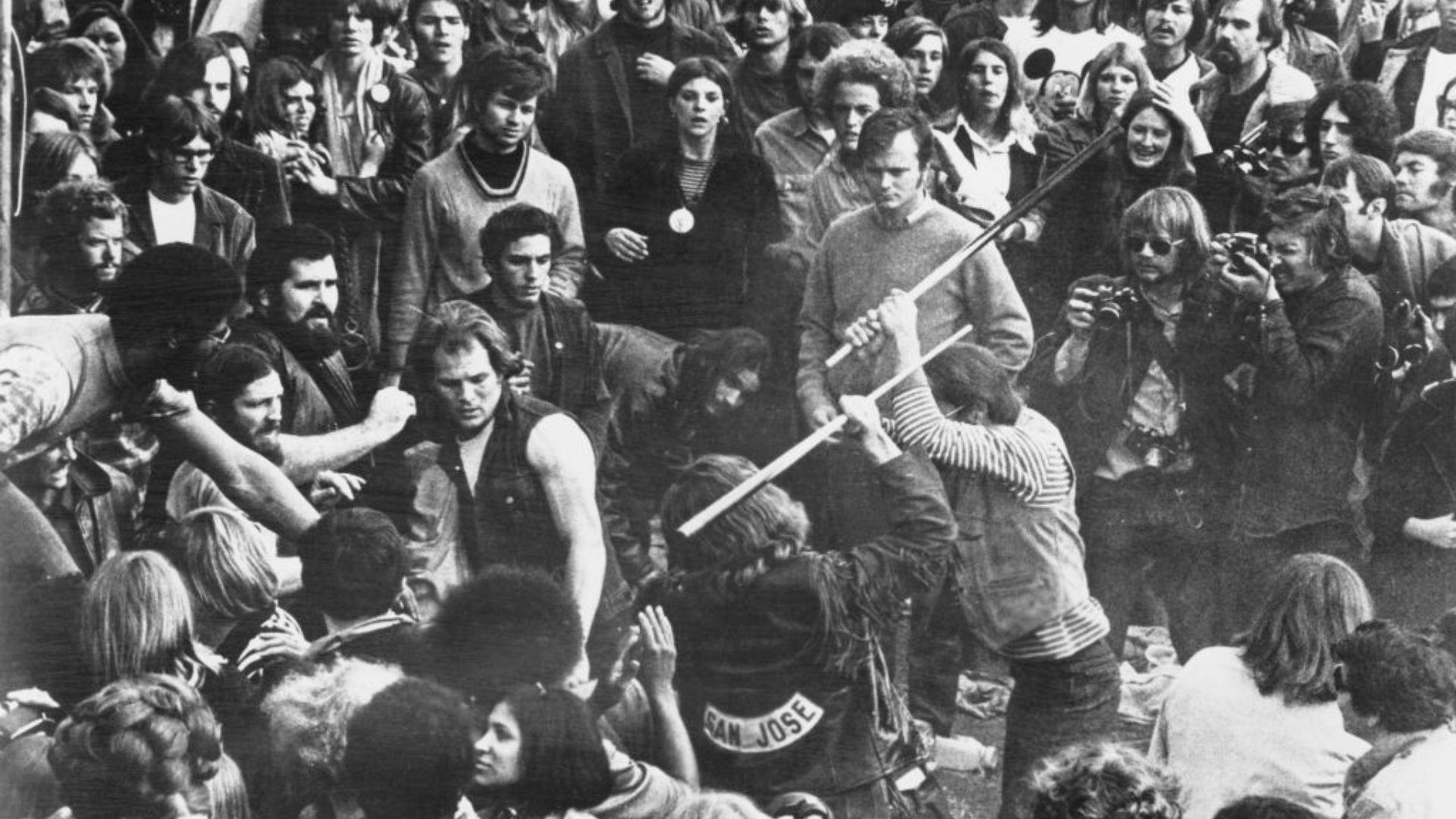
People reports that the violence at Altamont escalated with the Hells Angels using excessive force to control the crowd.
The situation was so dire that it led to the Grateful Dead, another band scheduled to perform, deciding to leave the venue. This decision highlighted the extreme conditions at the concert, with Robert Greenfield noting, “The ultimate test of Altamont is the Grateful Dead turned around and went home. So if there’s a gig that the Grateful Dead are not gonna play because it’s too chaotic for them—whoa!”
The Tragic Death of Meredith Hunter
Rolling Stone reports that the concert took a deadly turn when Meredith Hunter, a young fan, was attacked and stabbed by a member of the Hells Angels.
This incident occurred in close proximity to the stage, as the band played on, unaware of the unfolding tragedy. The severity of the violence and the loss of life underscored the catastrophic failure of the event's security arrangements.
The Rolling Stones Face Backlash
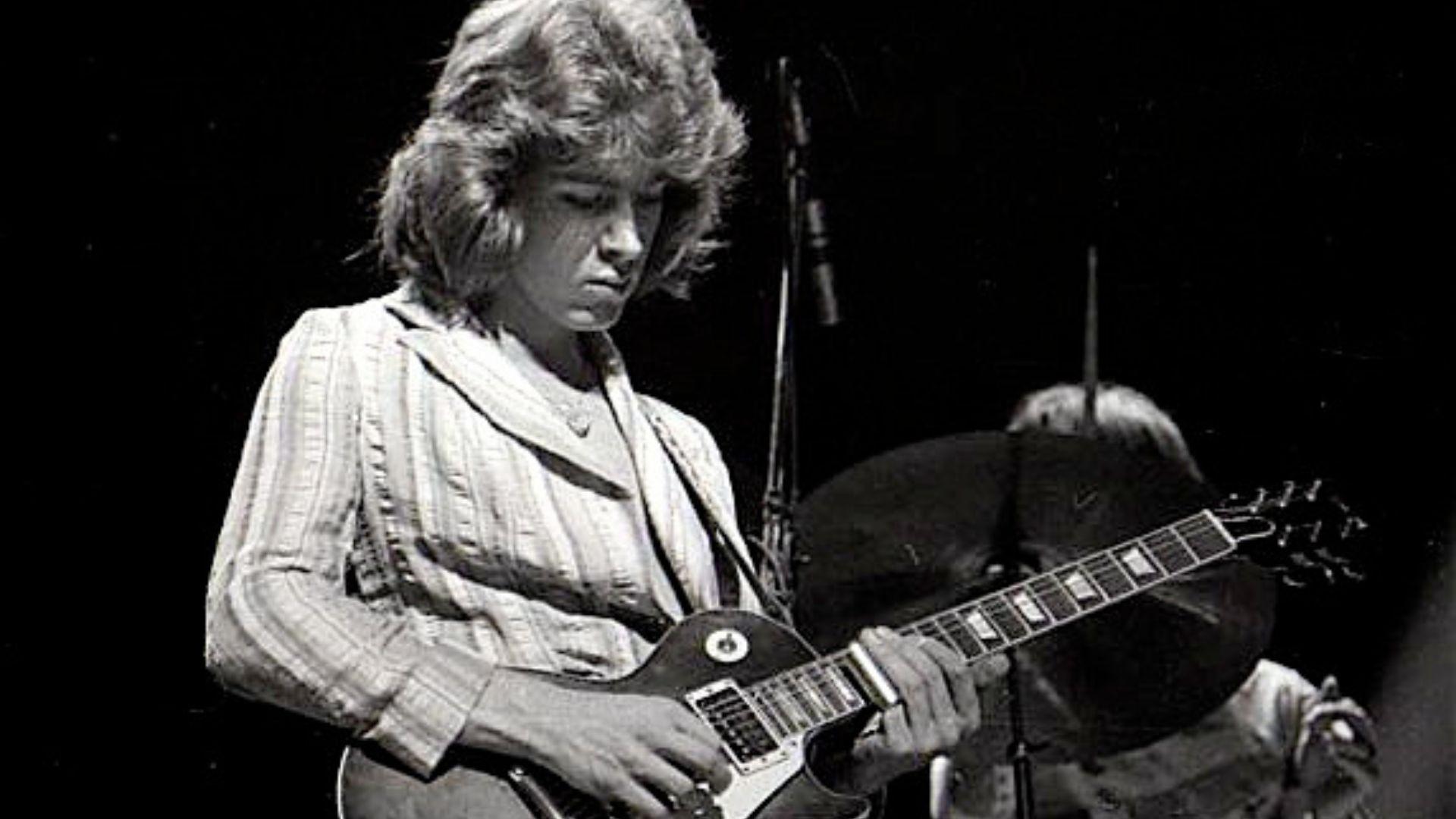
In the aftermath of Altamont, the Rolling Stones were met with significant criticism and were held responsible by many for the events that transpired.
Mick Taylor, a former guitarist for the band, expressed how deeply the band was affected, saying, “The only thing we were very upset about was being accused and held responsible for what happened.” This period was marked by intense scrutiny and blame placed on the band for the decisions leading up to the concert.
The Constant Threat of Violence on Stage
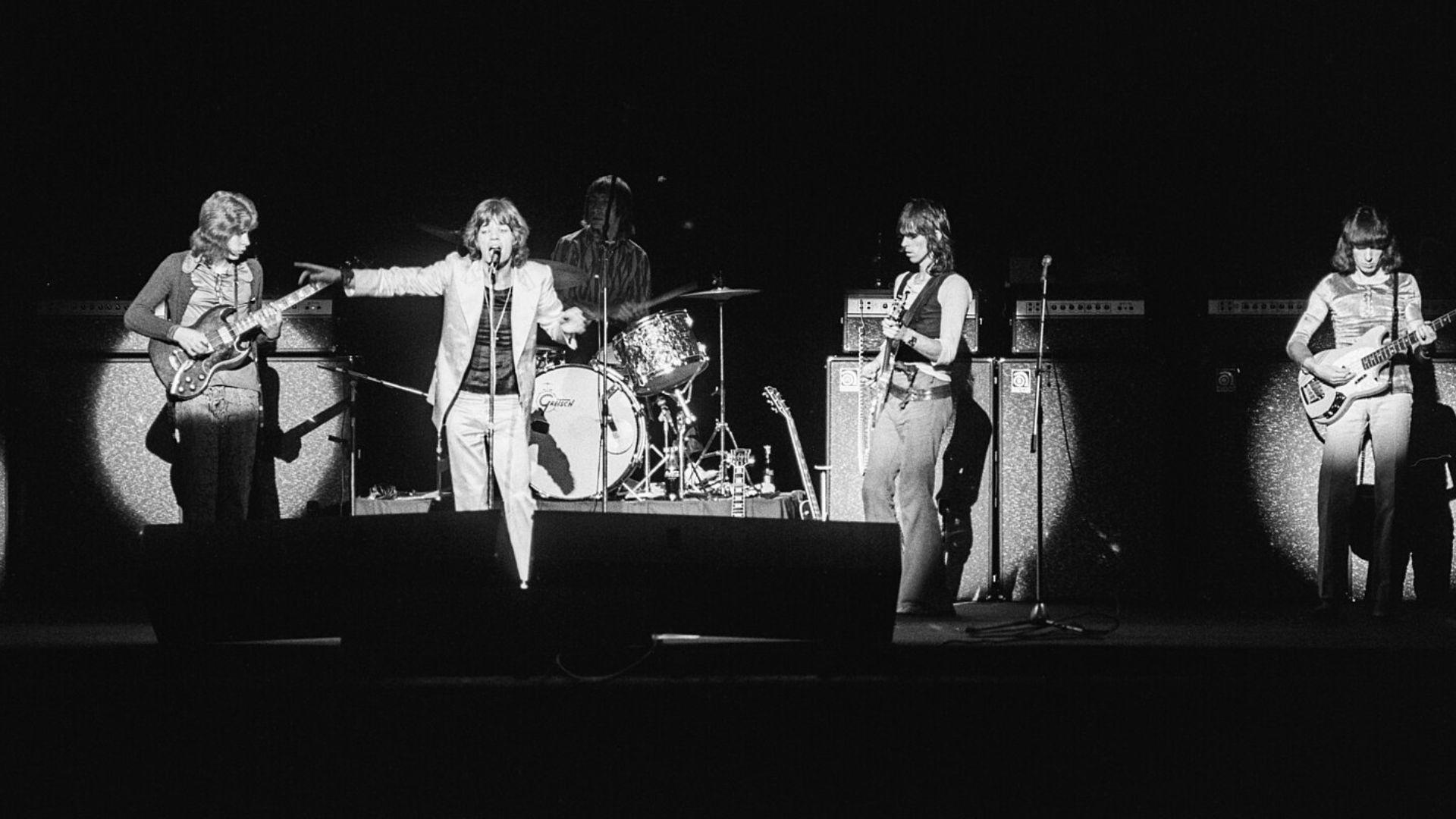
People reveals that the members of the Rolling Stones lived with the awareness that violence could erupt at any of their performances.
Bill Wyman, the former bassist, reflected on this reality, stating, “You’re always open to being shot on stage — you’re always aware of that. You don’t think about it but anybody with any sense at all would think there’s a possibility at some time or another that some crank is gonna… I mean, we’ve been shot at with an air gun before onstage. [Drummer Charlie Watts] got a pellet in his cheek!”
Jagger's Crossroad: To Perform or Not
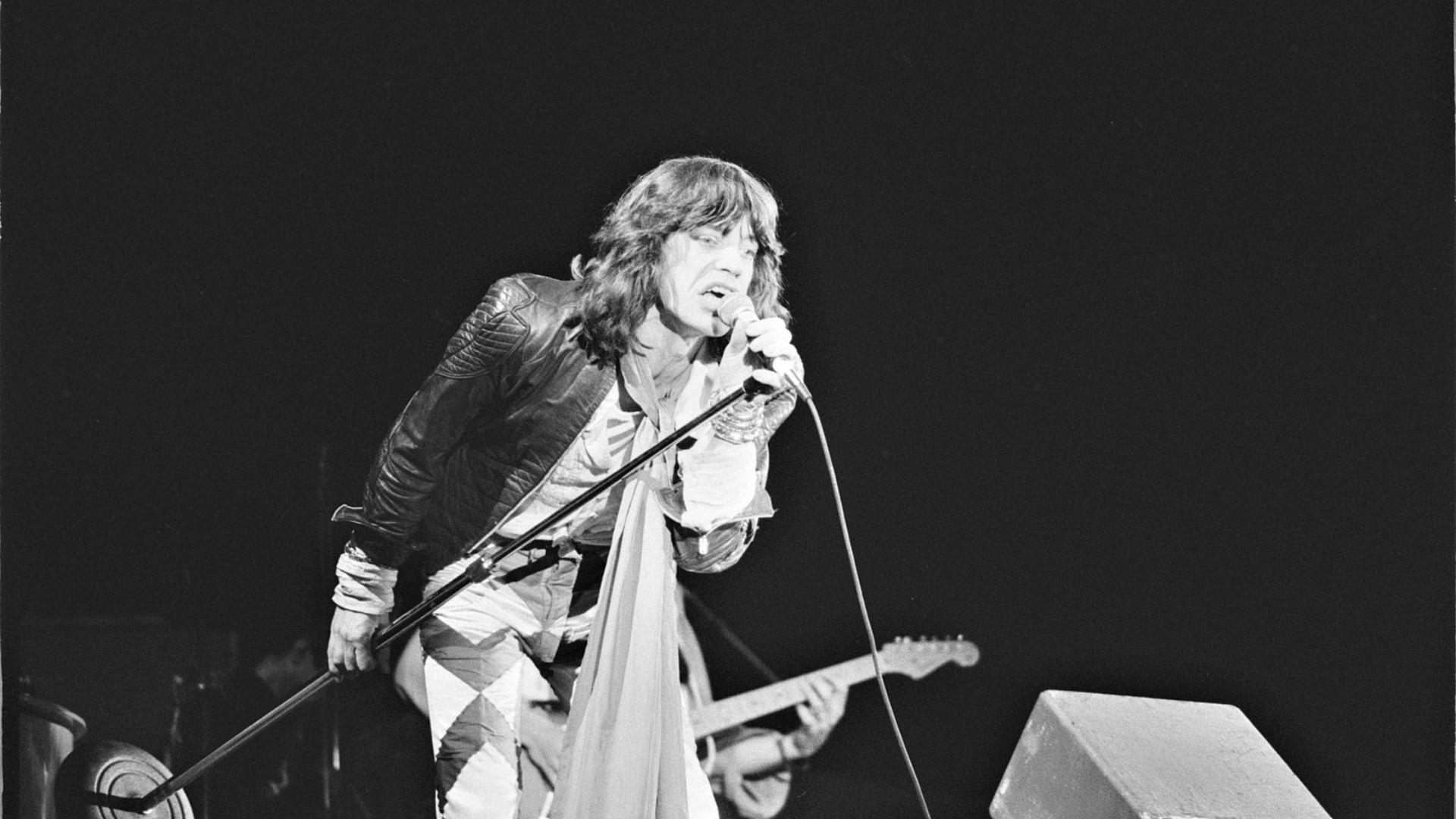
The San Francisco Chronicle reveals that Jagger faced a pivotal decision in the aftermath of Altamont.
He recounted advice from friends. “A few people said don’t go — friends of mine — they said, ‘You’ve really got to be more careful, you can’t go.'”
The Reality of Performing Under Threat
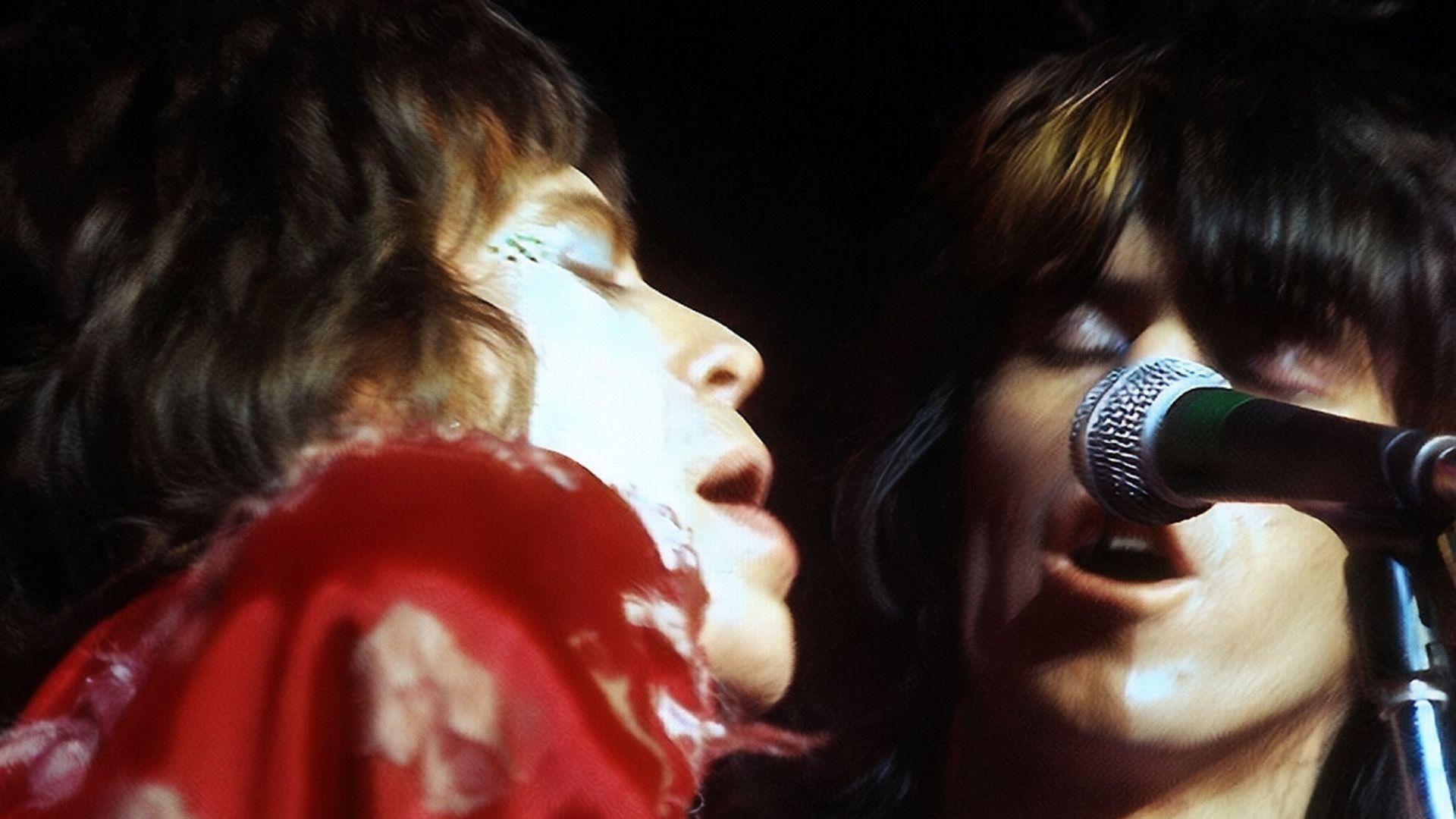
The San Francisco Chronicle reports that in the recording, Jagger shared the palpable fear he felt during this period, emphasizing the danger present at live shows.
“There was a lot of guns confiscated and stuff like that. Don’t say I wasn’t scared — I was scared s[***]less,” he said.
Rumors of Retaliation by the Hells Angels
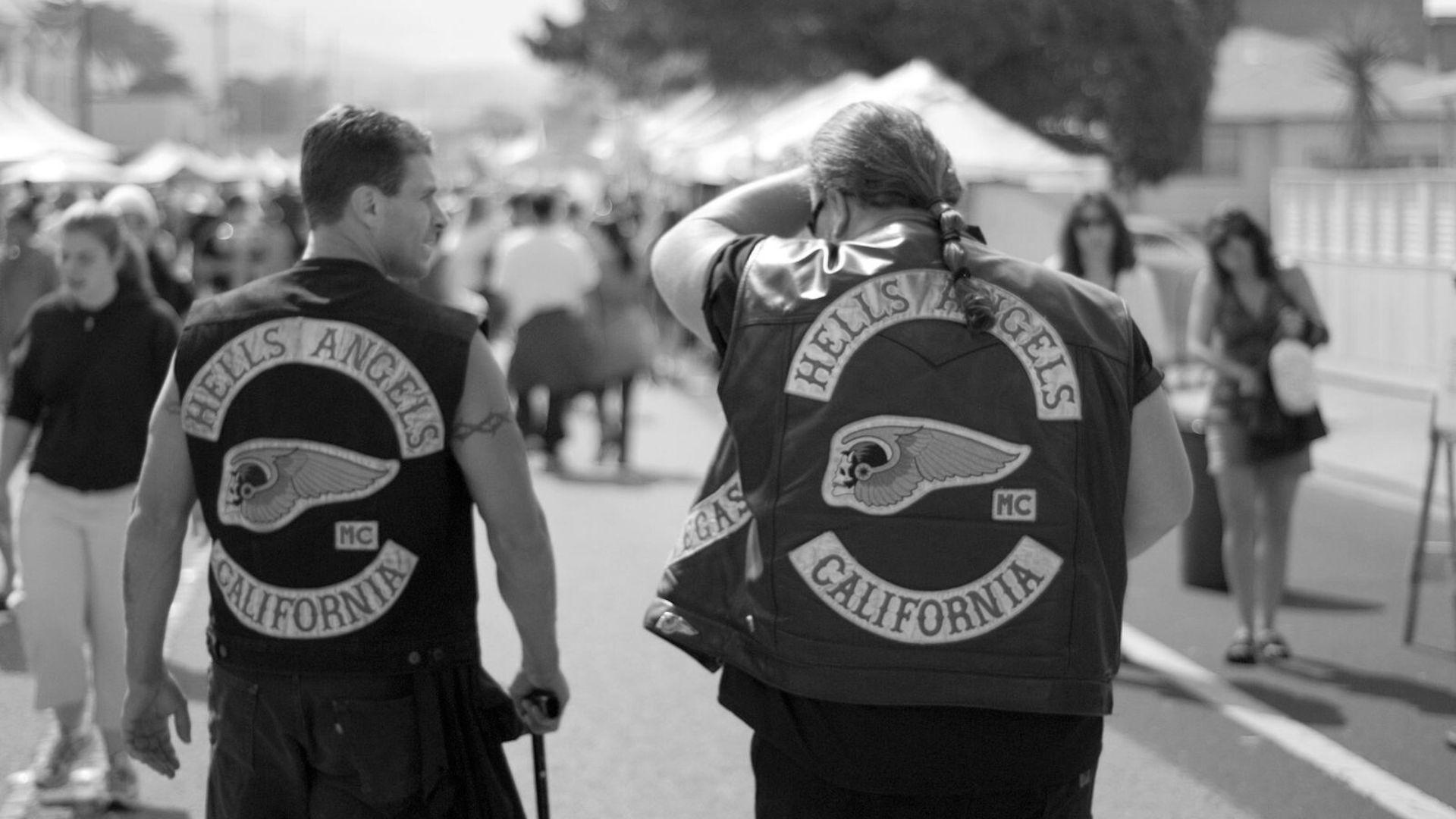
Following the Altamont concert, there were rumors of possible retaliation by the Hells Angels against Mick Jagger, according to People.
This threat of violence led to increased security measures for the band. Despite this, the Rolling Stones made the decision to tour America again in 1972.
Reflecting on the Legacy of Altamont
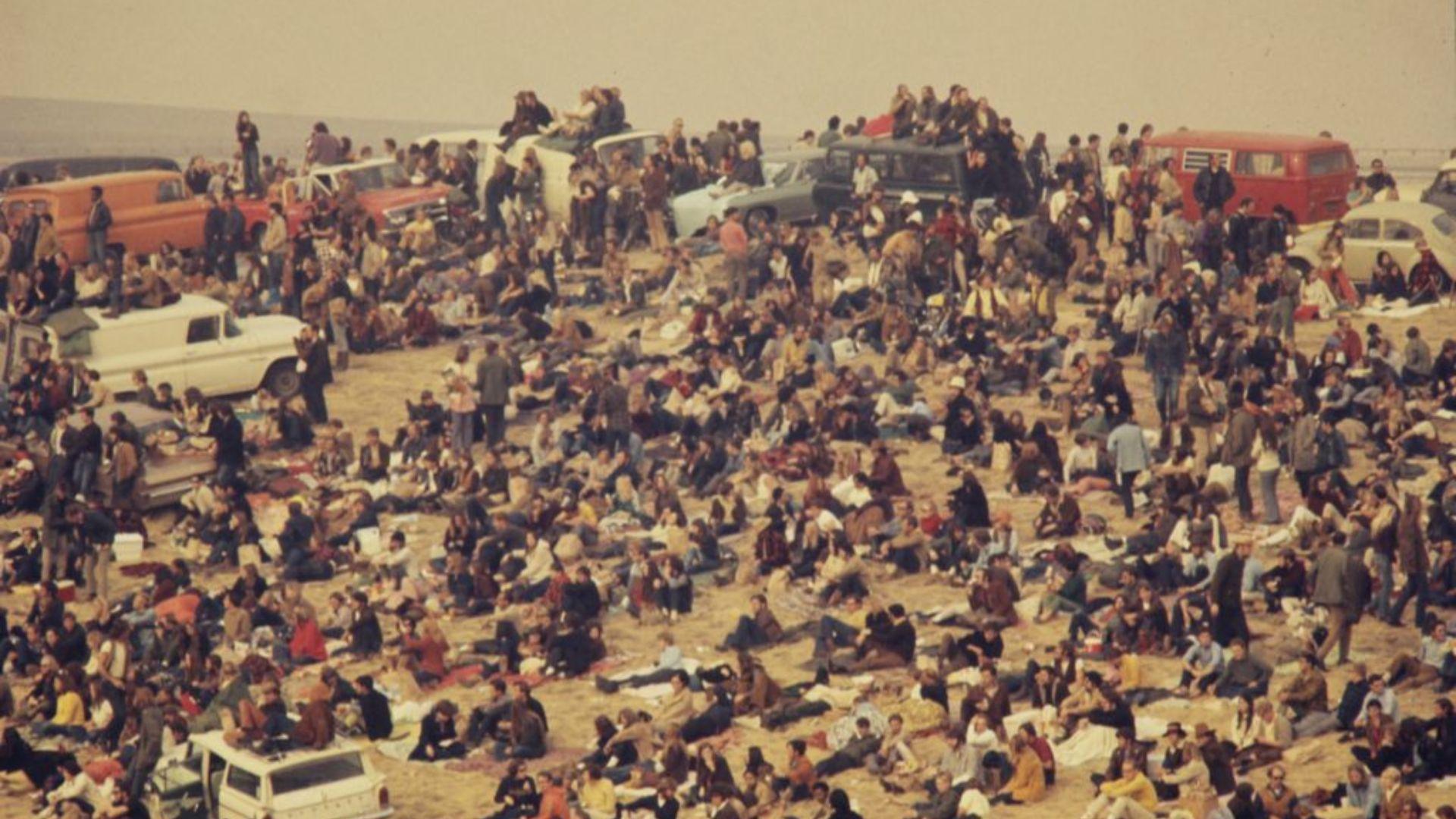
The Altamont concert remains a significant event in the history of rock music, serving as a lesson on the potential dangers of live performances.
Mick Taylor reflects, “I think it affected all of us very profoundly,” capture the deep and lasting impact Altamont had on the Rolling Stones.