Student Accidentally Discovers a New Species While Studying Dinosaur Fossils
In a wild turn of events, a student from the University of Kansas discovered an entirely new species of dinosaur never before seen by paleontologists.
Kyle Atkins-Weltman was working on fossils found at the Heel Creek Formation in the United States when he realized that bones he was told belonged to the Anzu wyliei dinosaur were something entirely different.
Finding a Brand New Dinosaur

In 2020, Kyle Atkins-Weltman was working toward his master's degree at the University of Kansas.
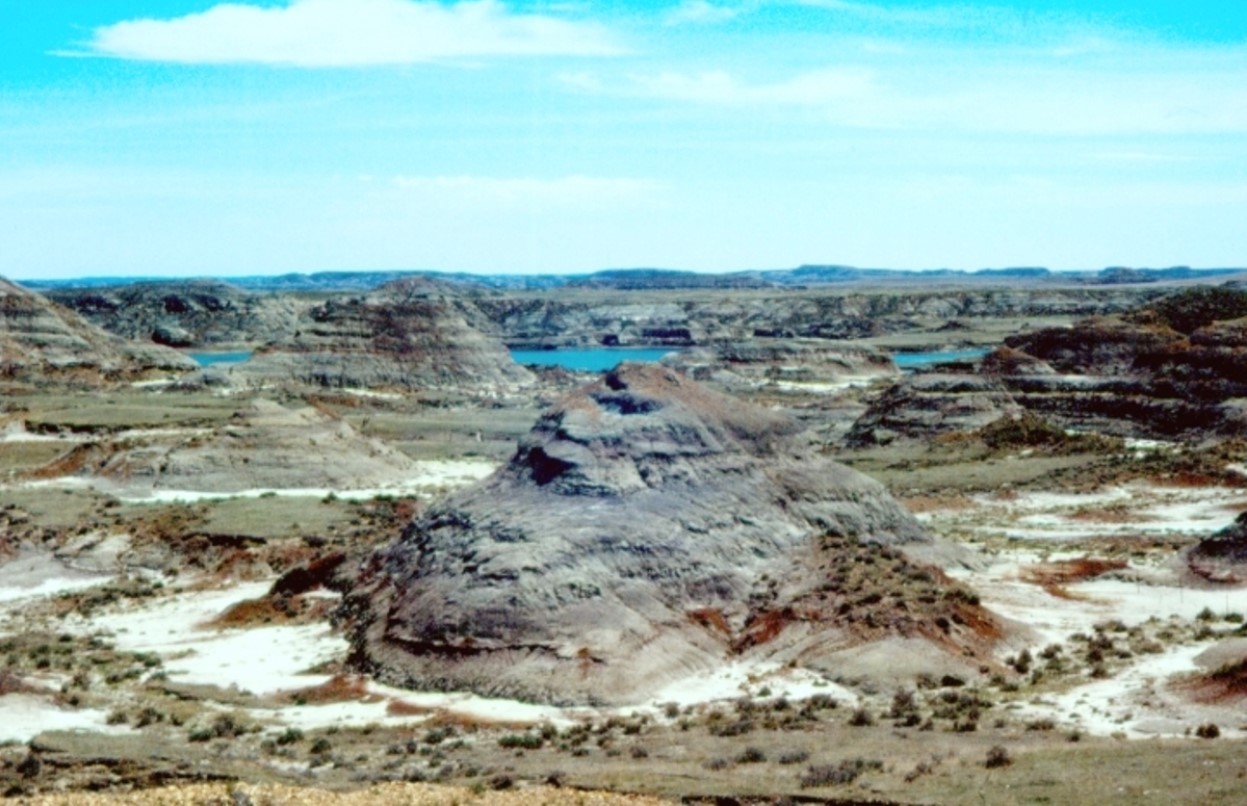
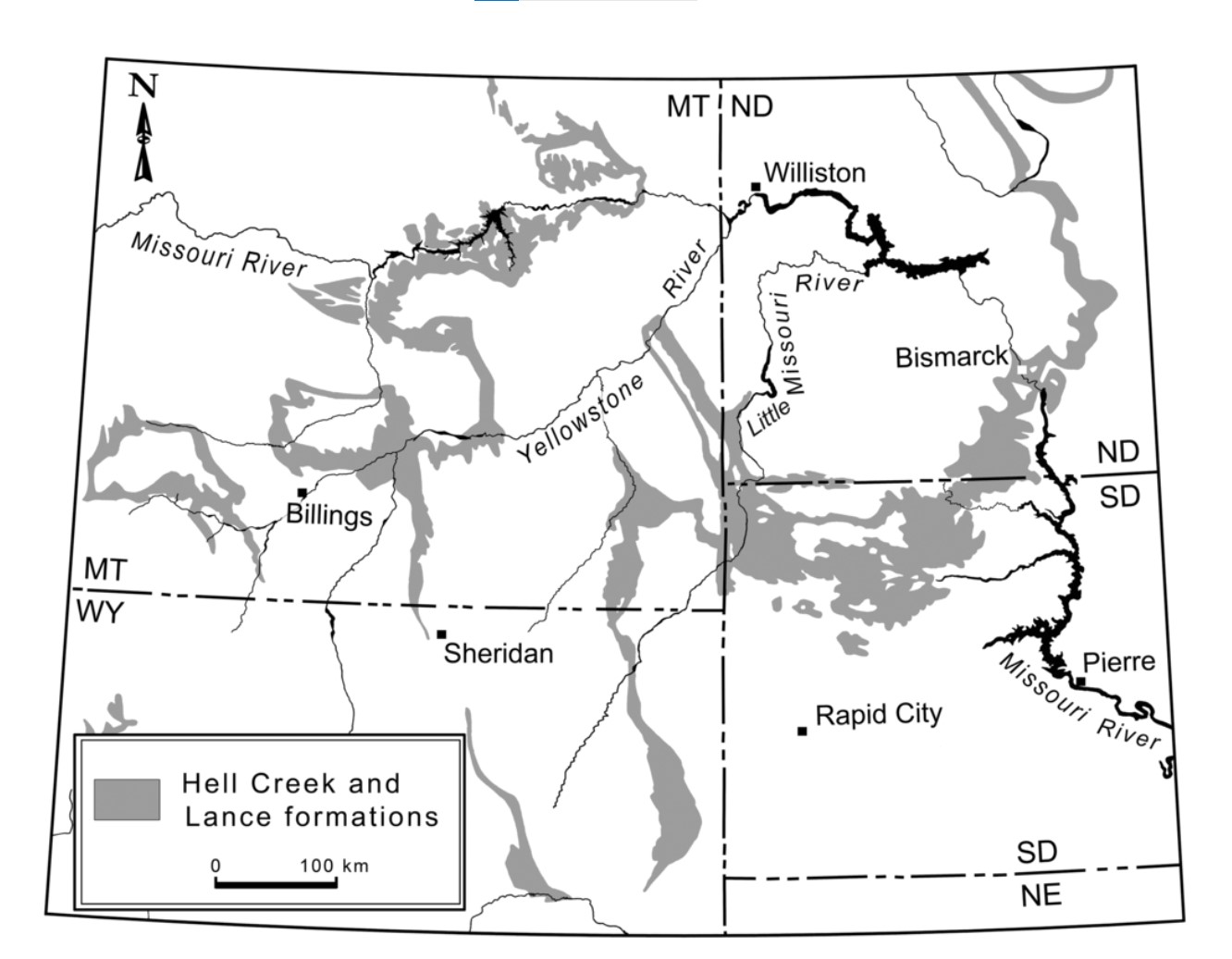
And as a part of his program, he ordered several sets of dinosaur fossils from a collector that had been found in the Hell Creek Formation, which sits between Montana, Wyoming, and parts of the Dakotas, where hundreds of dinosaur fossils have been found.
Kyle Was Studying the Anzu Wyliei
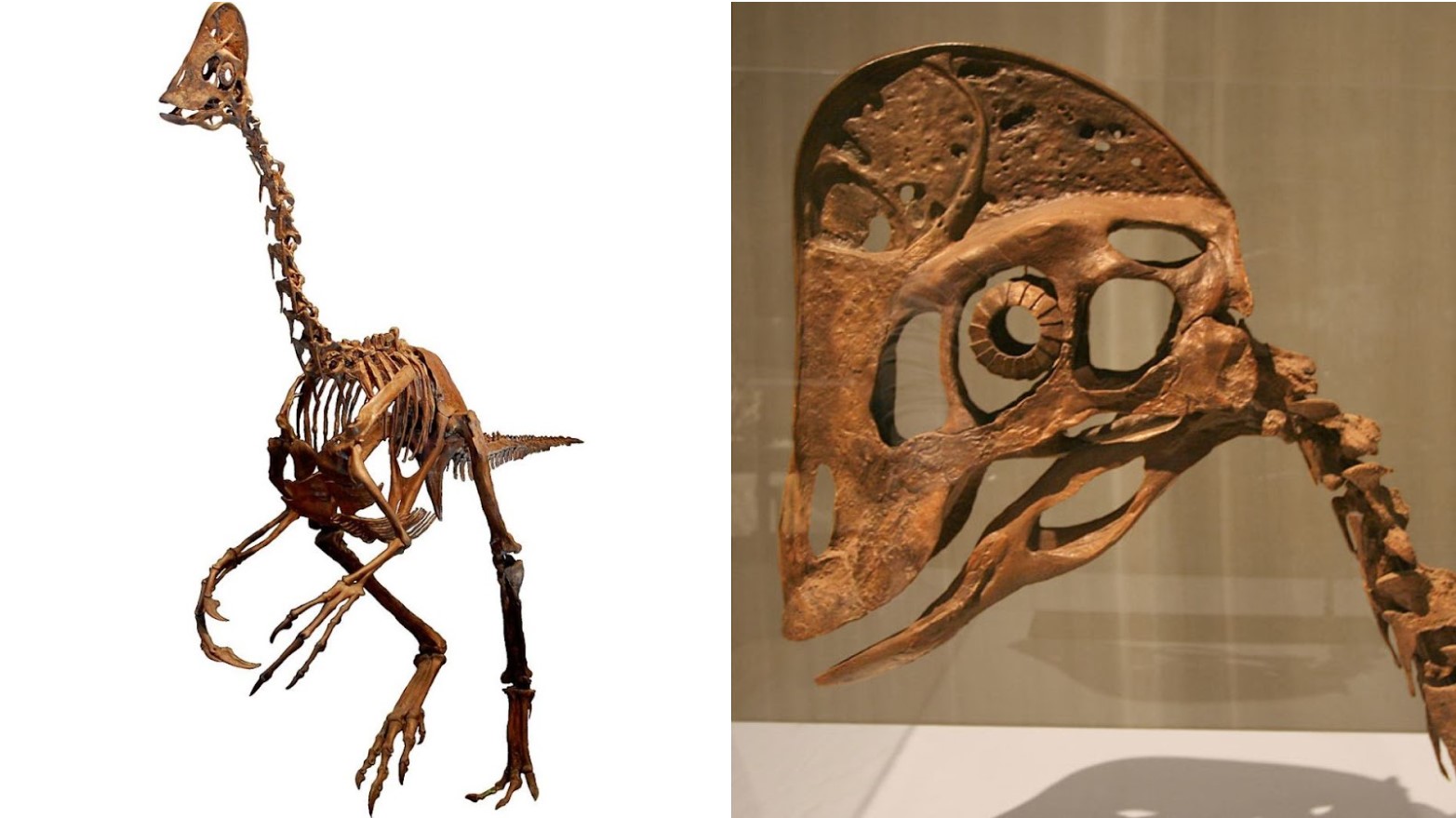
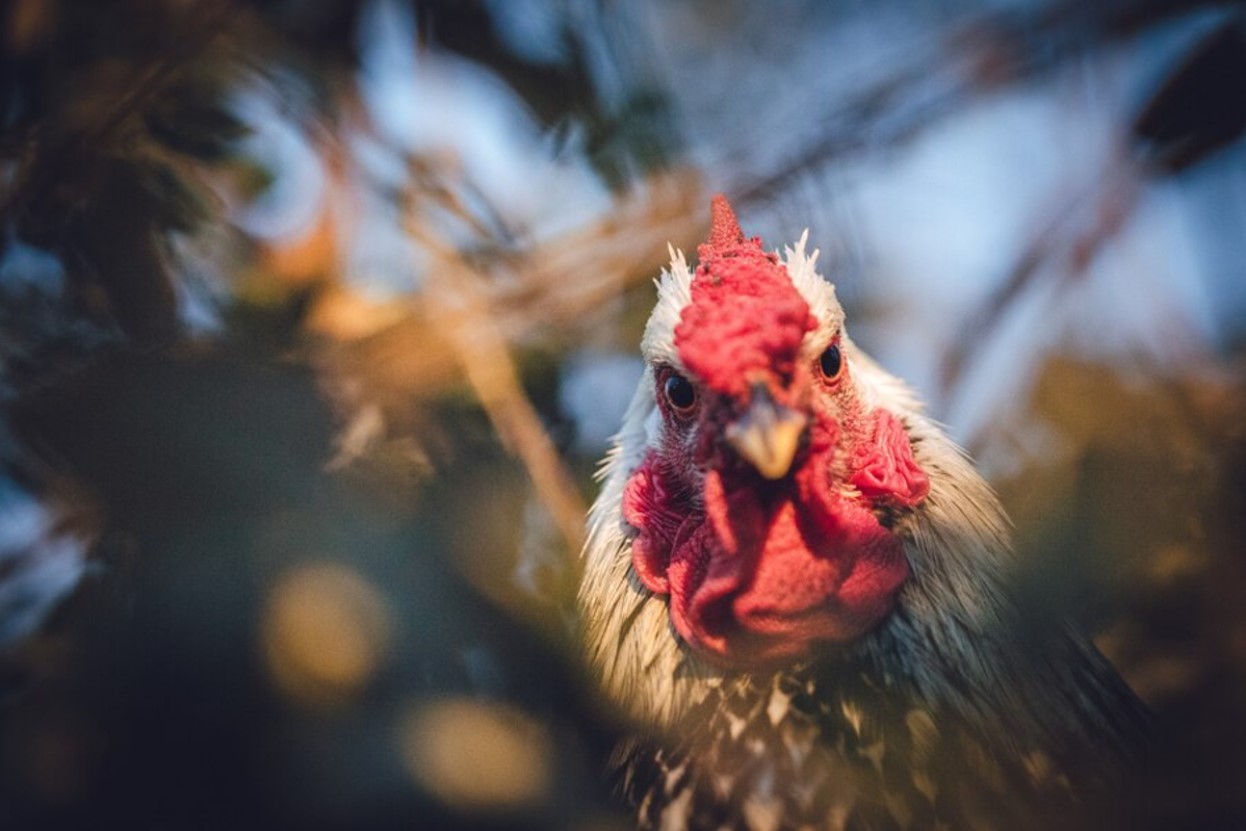
Kyle was specifically studying the fossils of an Anzu wyliei, a bird-like dinosaur commonly known as the “Chicken From Hell,” in order to learn more about the unique animal.
However, after careful examination, he found several discrepancies between some of the supposedly Anzu fossils. While some of the bones fit the existing delineation of the extinct animal, others were quite different.
The Bones Just Didn’t Sit Right
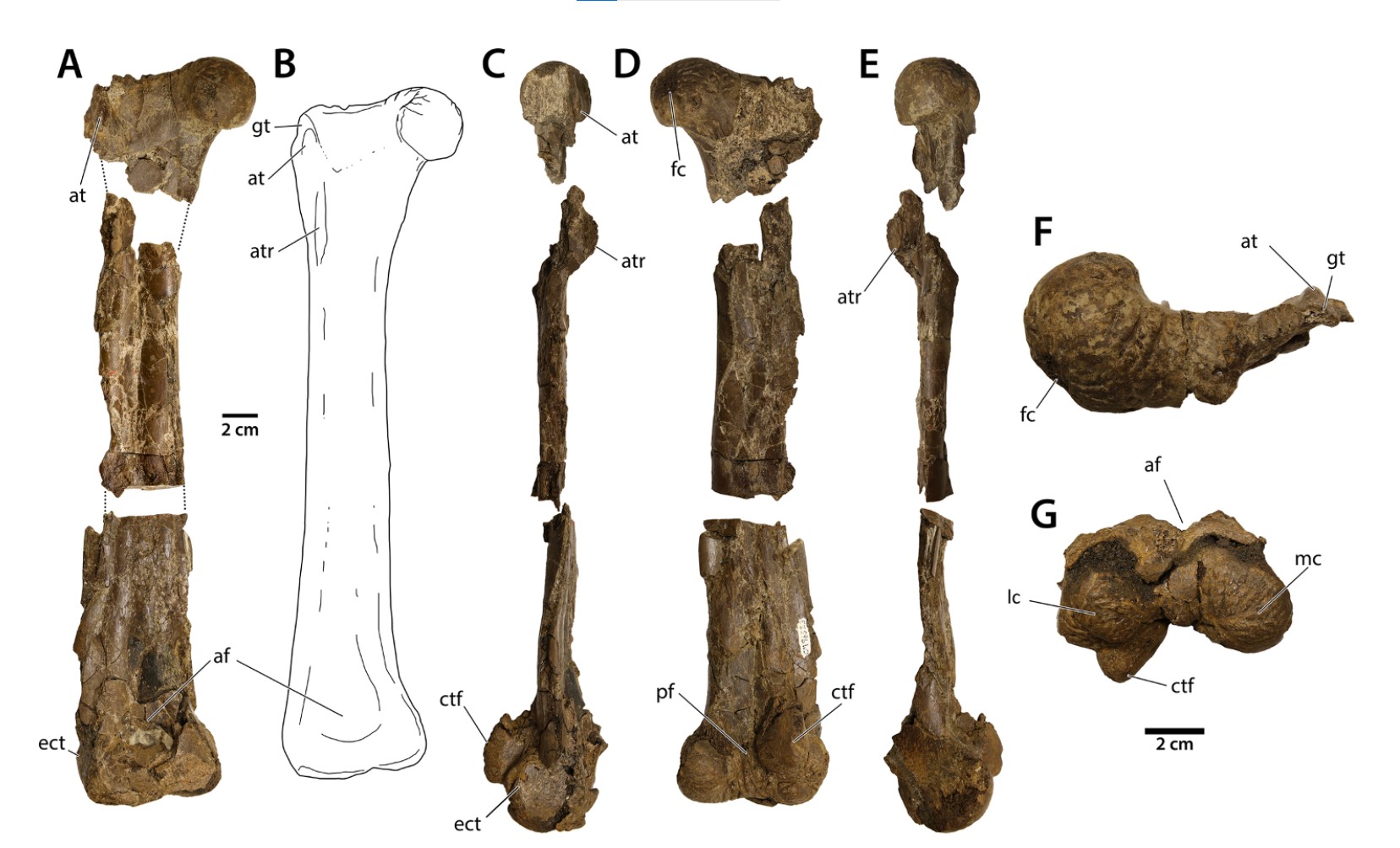
He first noticed that one of the dinosaur femurs was much shorter than the others and was angled differently. Additionally, the ankle bone was directly connected to the tibia, something he had never seen before in other Anzu fossils.
Because most of the bones were smaller than Kyle expected them to be, he first assumed that he was simply looking at a young Anzu wyliei. But in order to be sure, he reached out for help.
Professor Holly Woodward Weighed in on the Inconsistent Fossils
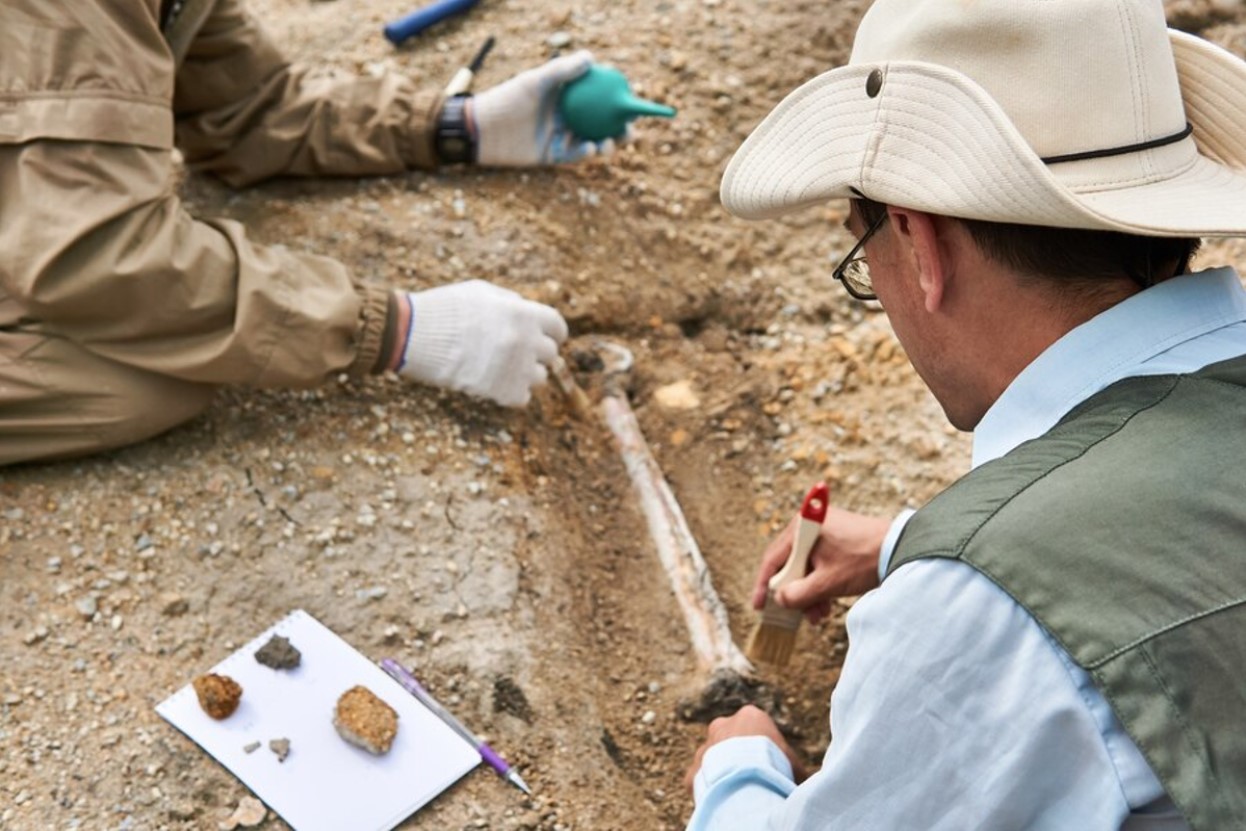
Kyle contacted Holly Woodward, a professor at Oklahoma State University, to find out why these bones looked so different than the others he was working on, explaining his theory that the dinosaur was simply a juvenile when it died.
Professor Woodward decided to open the bones and study the genetic makeup inside to find out. And when she did, she realized that this dinosaur had reached its full growth when it died, therefore, it absolutely was not an adolescent.
Extensive Research Was Then Conducted
Of course, Kyle and Woodward then had to figure out if they simply had a mislabeled set of bones, and this was just another birdlike dinosaur commonly found at the Hell Creek Foundation or if it was something else altogether.
Kyle explained in an interview, “I had to make sure I had a thorough enough comparison and enough traits to set it apart from other members of its family.”
Kyle Realized He Had Found a New Dinosaur
He said, “The discovery was exhilarating, shocking, and a bit anxiety-inducing... But that anxiety in a way was useful because it ensured that I worked extra hard to be as thorough as possible.”
But after extensive and diligent research, Kyle realized he had, in fact, found an entirely new species of dinosaur.
Naming the New Species
Because it was his discovery, Kyle was in charge of naming the new species. He decided on Eoneophron infernalis, which means “Pharaoh’s dawn chicken from hell,” an ode to the Anzu “Chicken from hell,” and Kyle’s pet lizard's name, Pharaoh.
And finally, he has released the details of his incredible find in an academic paper in the Journal PLOS One.
What Did the Pharaoh’s Chicken Look Like?
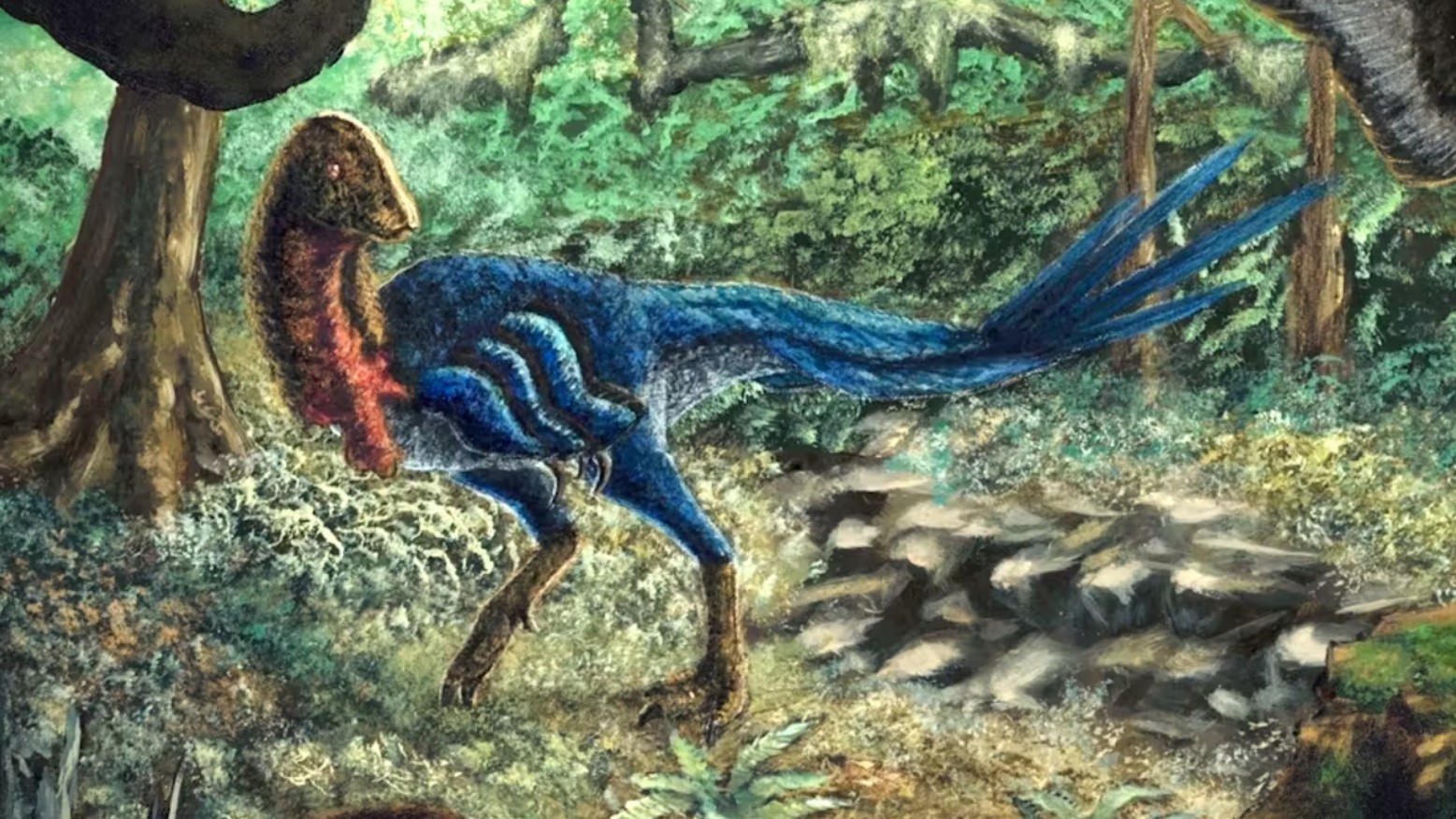
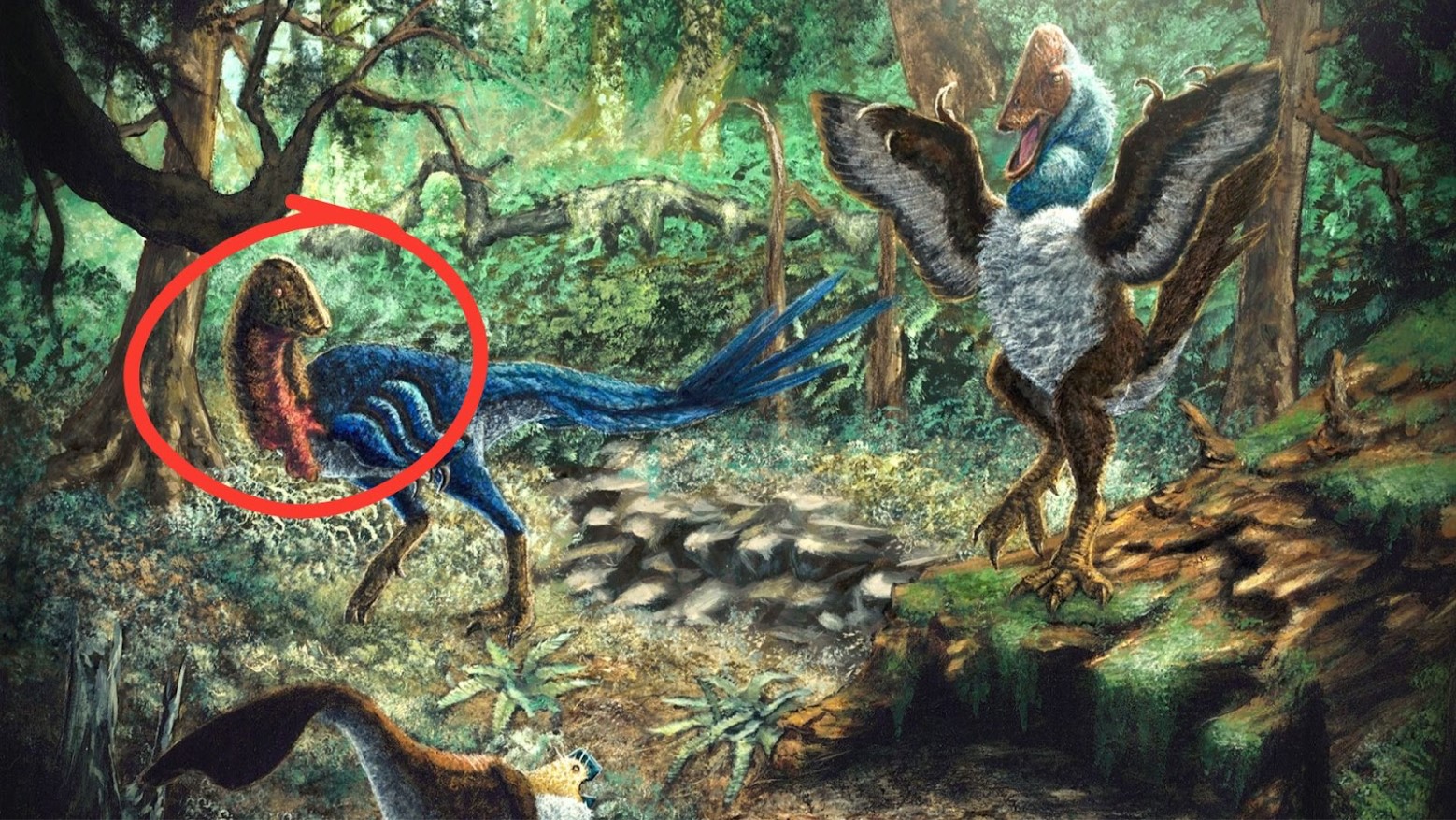
Kyle has released an illustration of what he and other paleontologists assume a Pharaoh’s Chicken might have looked like, though as with all dinosaur illustrations, many of the details are simply conjecture.
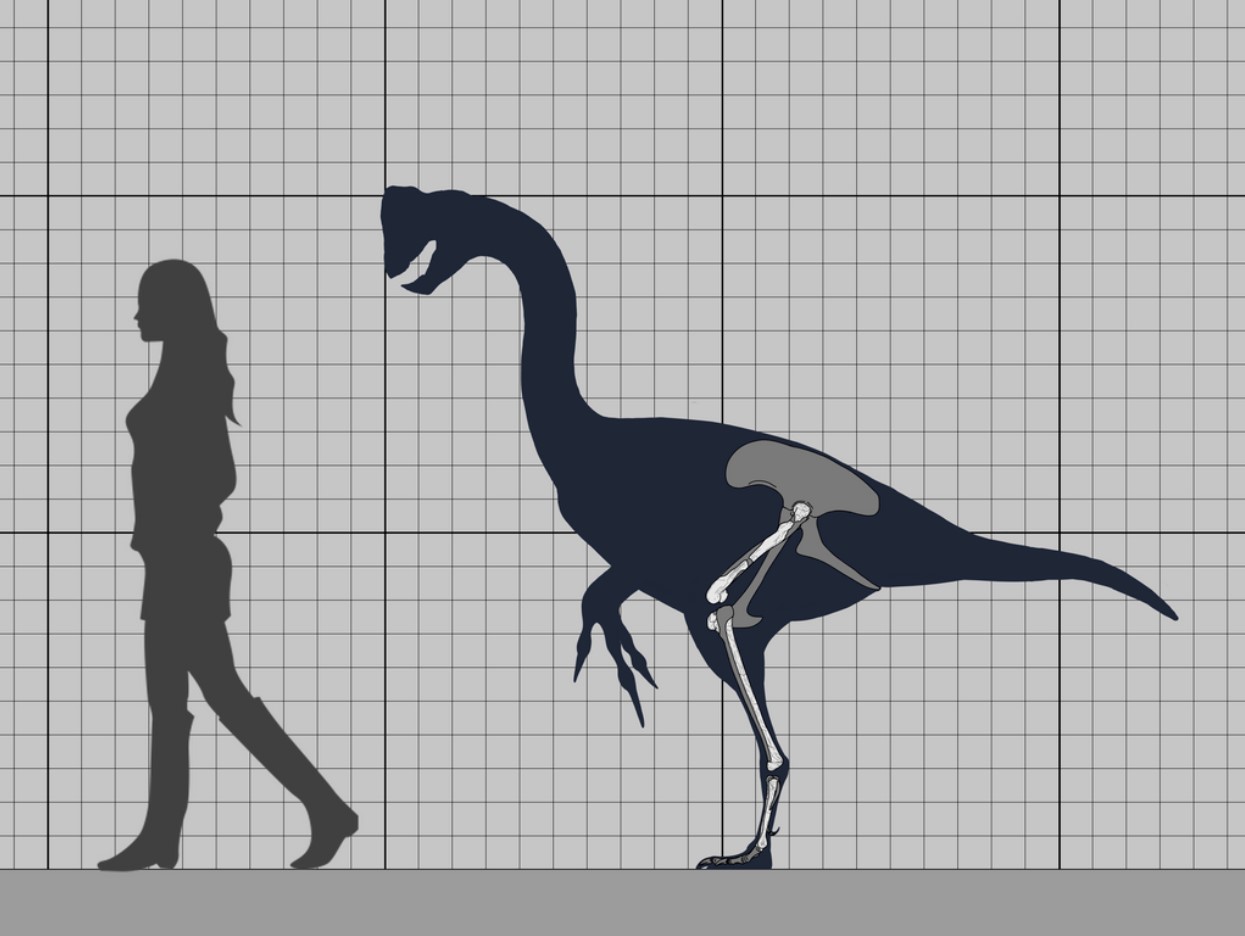
However, what they do know for sure is that the dinosaur likely stood about three feet tall and probably weighed around 150 pounds. It had feathers and wings, a toothless beak and, most likely, a short tail.
When Did the Pharaoh Chicken Live?
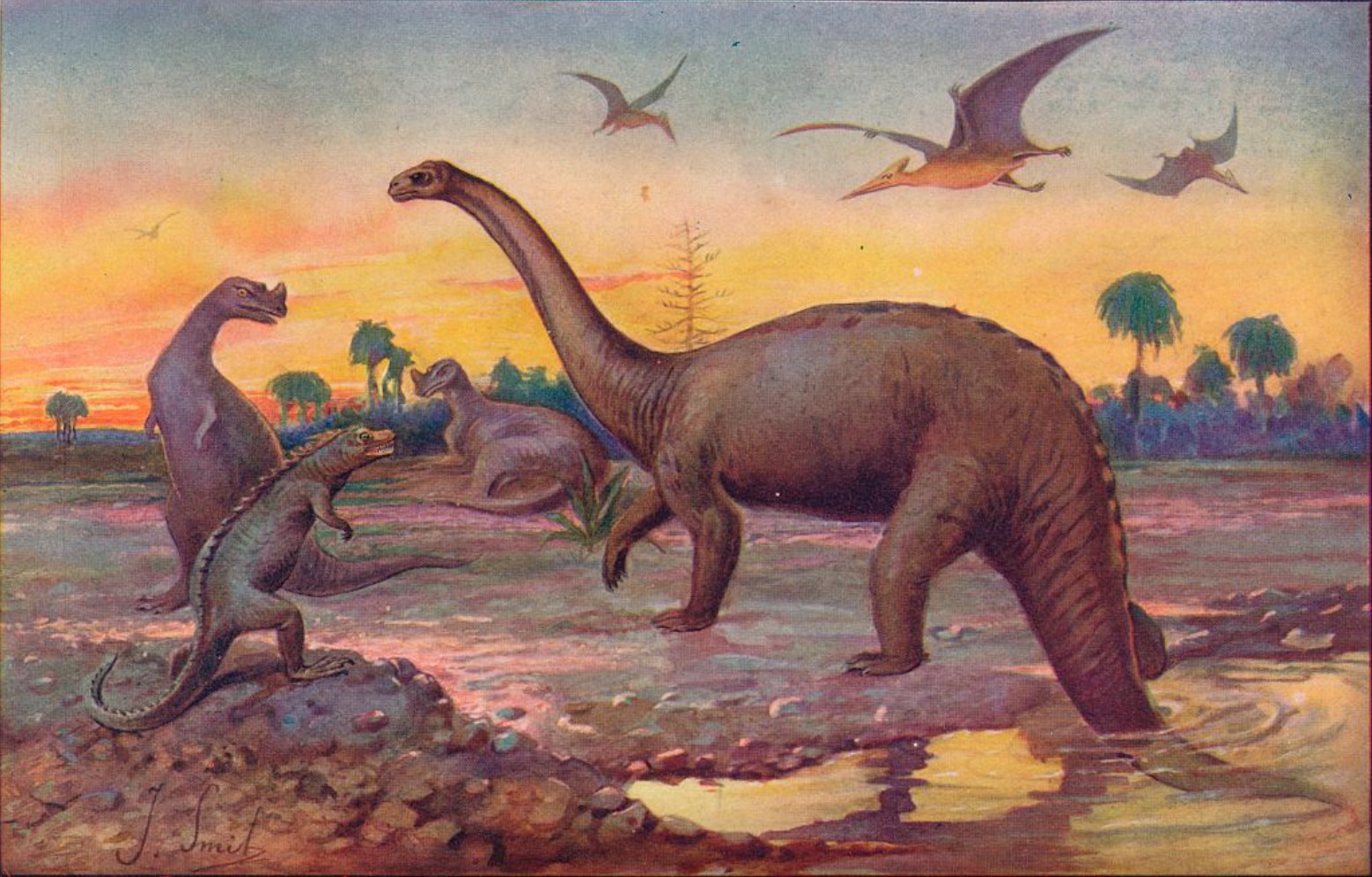
According to Kyle’s research, it is widely believed that this bird-like dinosaur lived at the same time as its more famous relative, the Anzu wyliei, as well as the Triceratops and the Tyrannosaurus rex.
And because the bones were found in the Hell Creek Formation, that means these animals once roamed at least the central states of what is now the United States.
What Does This Discovery Mean for Paleontologists?
There is still a lot to learn about this new species, and Kyle, who is now studying at Oklahoma State University, hopes that he and his colleagues will be able to find more of their bones at the Hell Creek Formation.
But Kyle did note in his paper that, “These results show that caenagnathid diversity in the Hell Creek ecosystem has been underestimated.” This means that the most diverse fossil site on the planet may still have new information hidden in its rocks.
Discovery Often Takes Time

The incredible story of Kyle Atkins-Weltman and his discovery of an entirely new species of dinosaur is the perfect example of how some revelations take time and a whole lot of patience and dedication.
Kyle said in an interview, “It started out not with an eureka, but with a ‘Hmm, that’s odd.’” But he kept at it until he got his “eureka” moment.