3 Students Win $700,000 for Deciphering a 2,000-Year-Old Scroll That Experts Couldn't Crack
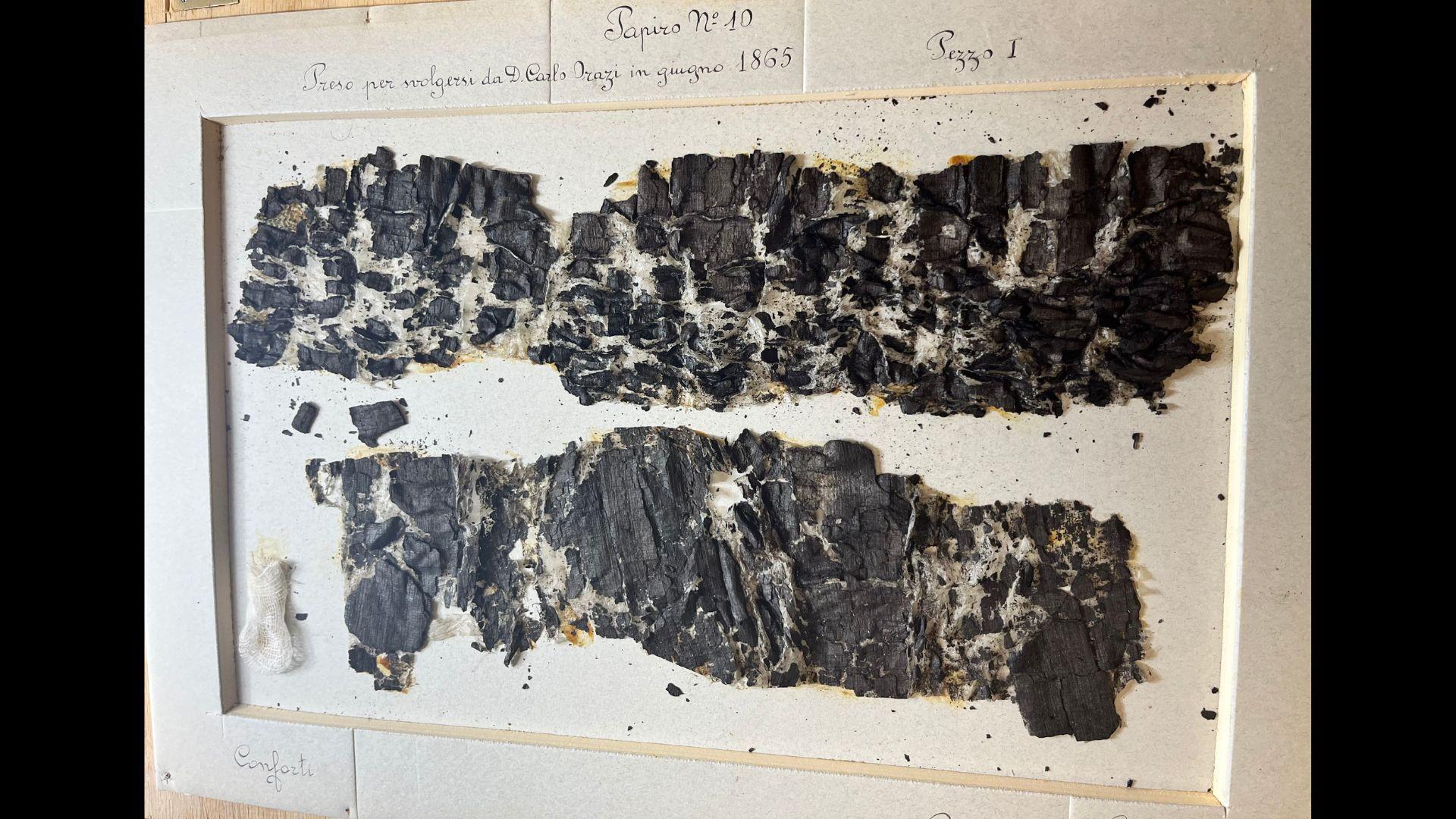
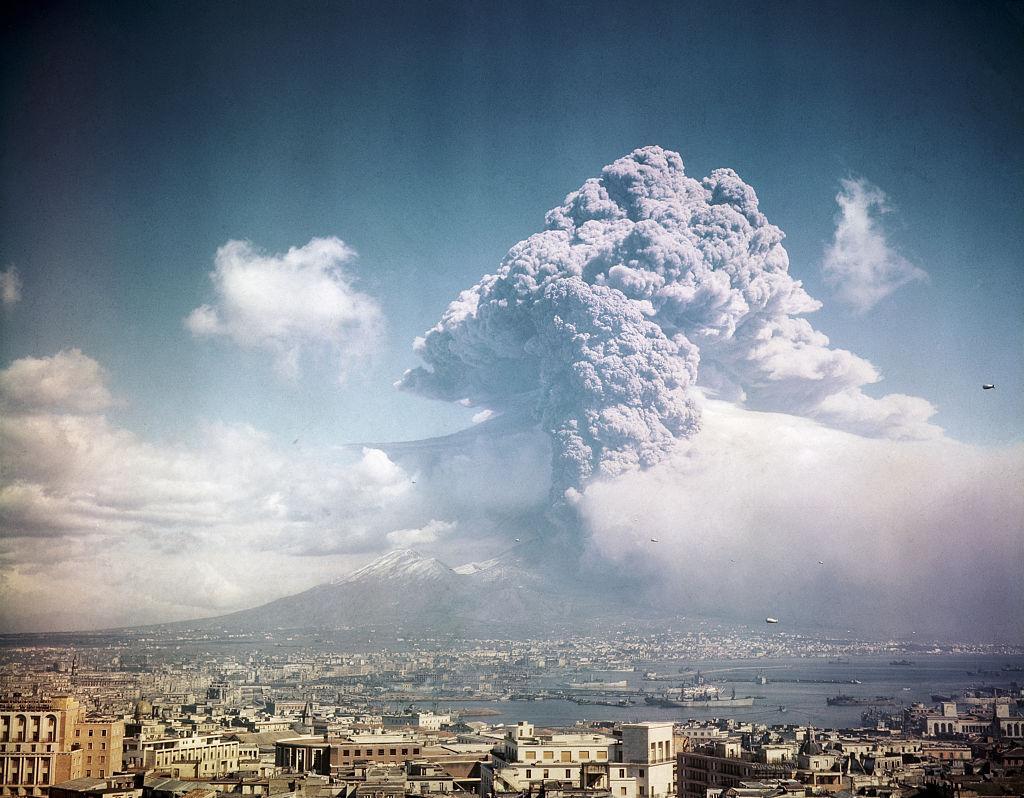
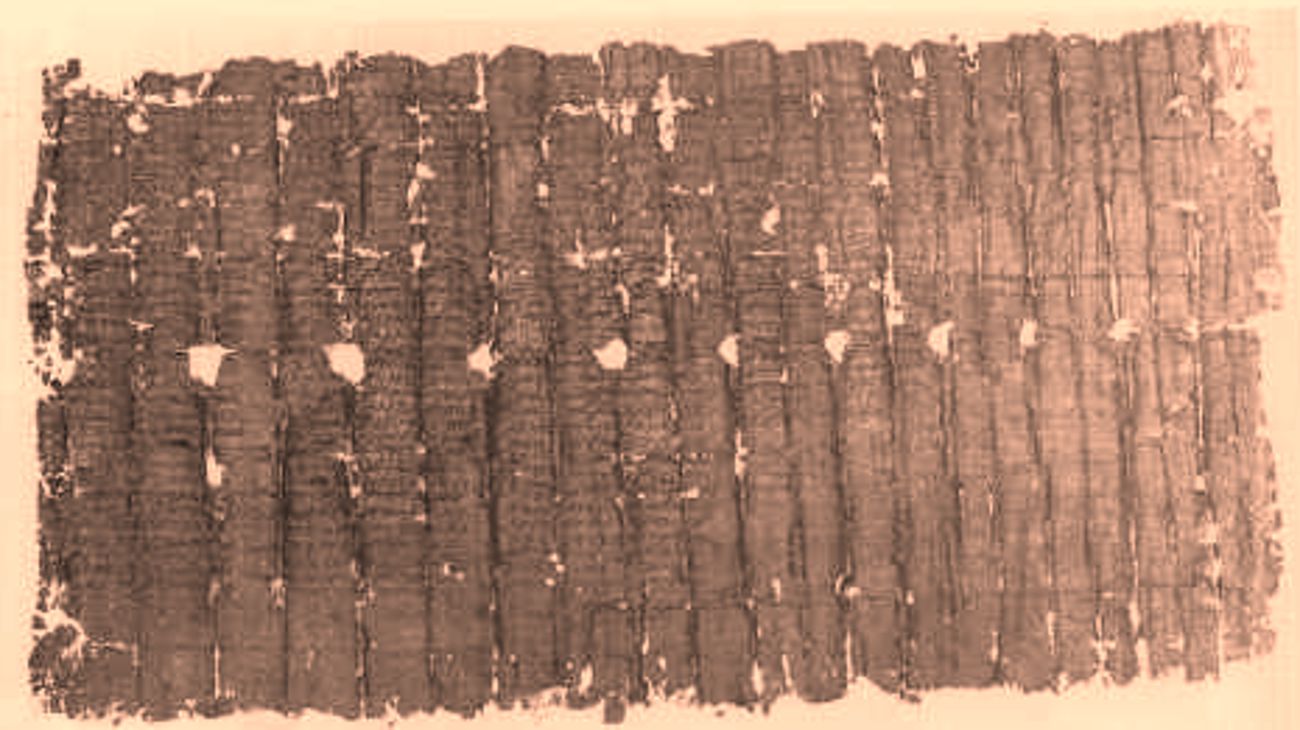
In the 18th century, a collection of scrolls was found in what was once the Roman city of Herculaneum that had been carbonized by ash from Mount Vesuvius when it erupted in 79 CE. And for more than 100 years, no one knew what these ancient texts said.
But last year, the Vesuvius Challenge announced that it was offering close to a million dollars for anyone who could decipher the scrolls, and finally, a team of three young students has actually done it.
The Ancient Scrolls Found in Herculaneum
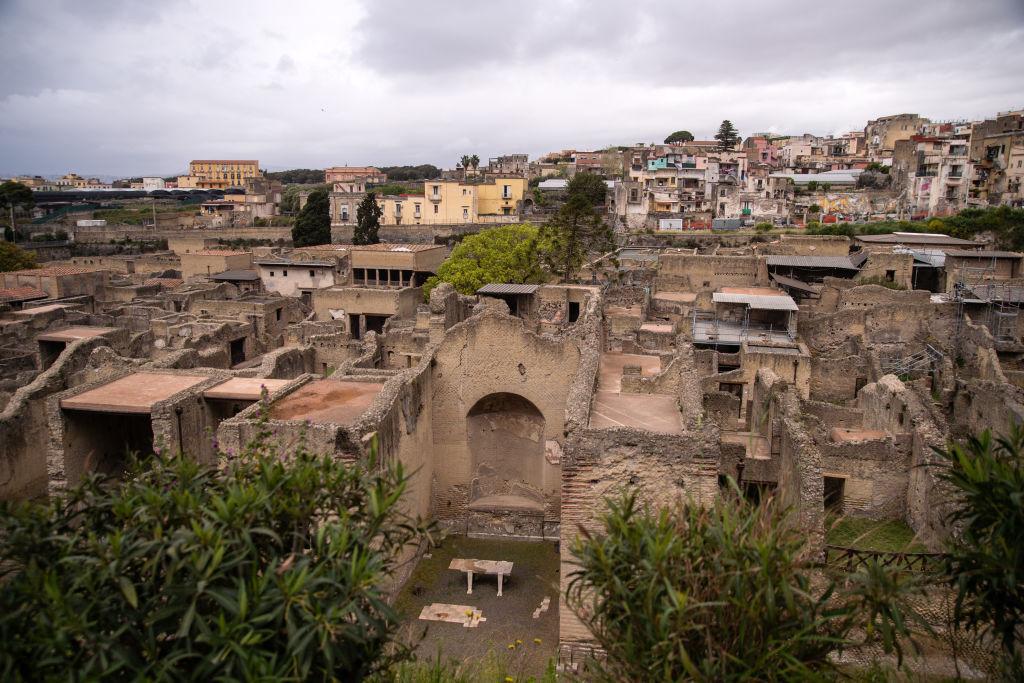
The ancient Roman city of Herculaneum, Italy, is famous among anthropologists, archaeologists, and historians all around the world.
After being covered in a thick layer of volcanic ash released by the eruption of Mount Vesuvius in 79 CE, the city was completely buried underground for 1,600 years until it was rediscovered by chance in 1709.
The Library of Lucius Calpurnius Piso Caesoninus
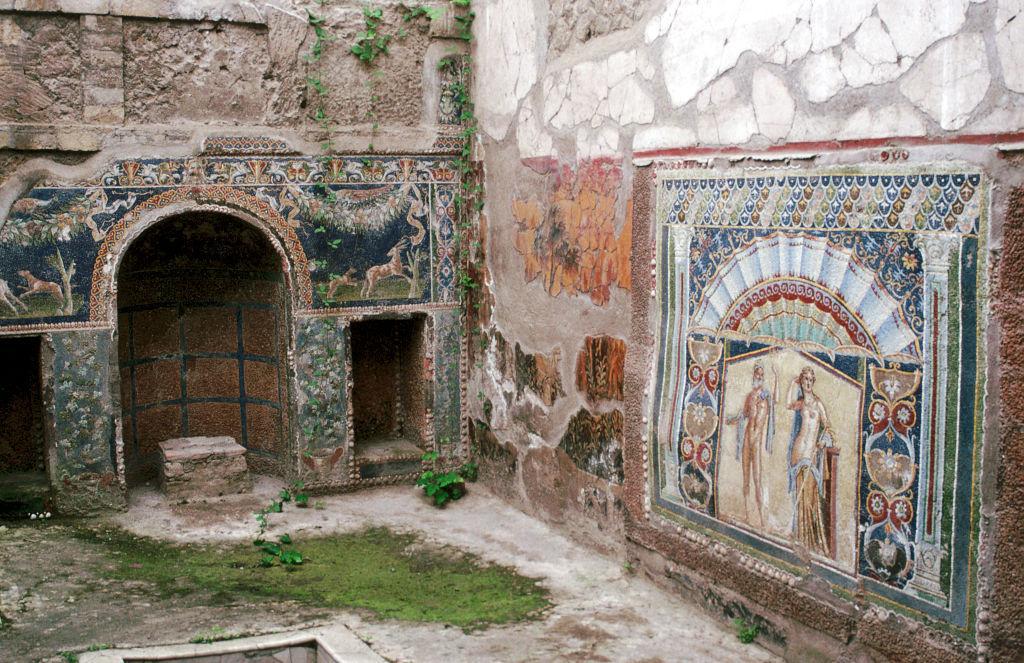
Through careful and time-consuming excavation, archaeologists were able to unearth at least part of the city of Herculaneum and found it almost completely intact, preserved exactly as it had been nearly two millennia before.
Within its well-organized city blocks, experts have found incredible artwork, temples, theaters, and several homes. One home in particular, known as the Villa of the Papyri, is thought to have belonged to Julius Caesar’s father-in-law, Lucius Calpurnius Piso Caesoninus. And it was in his library that the collection of papyrus scrolls were found.
The Scrolls Were Impossible to Open
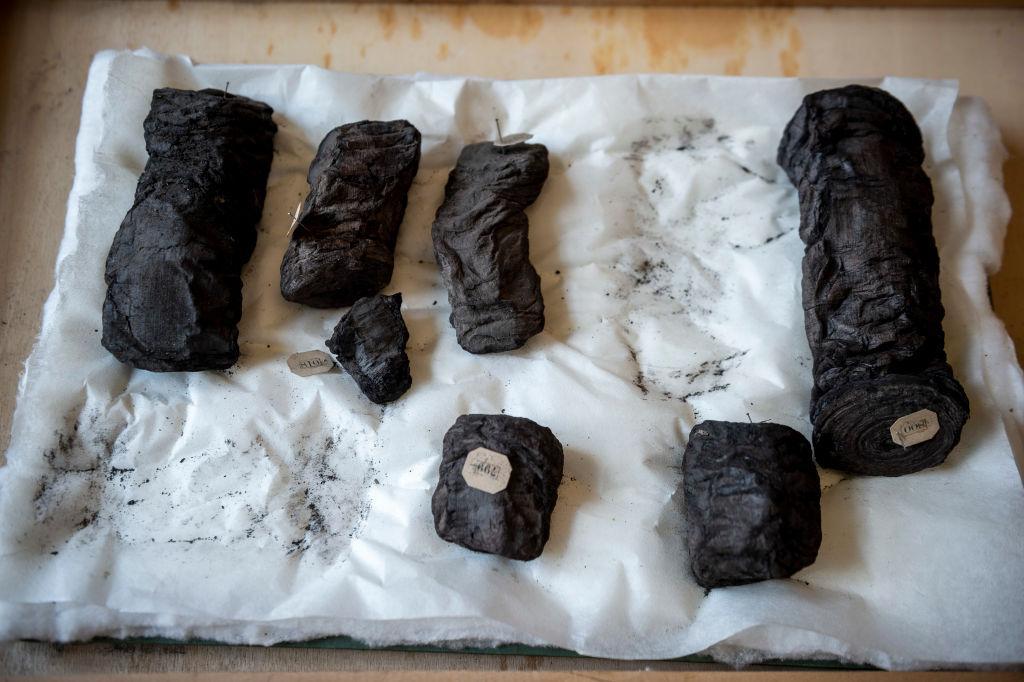
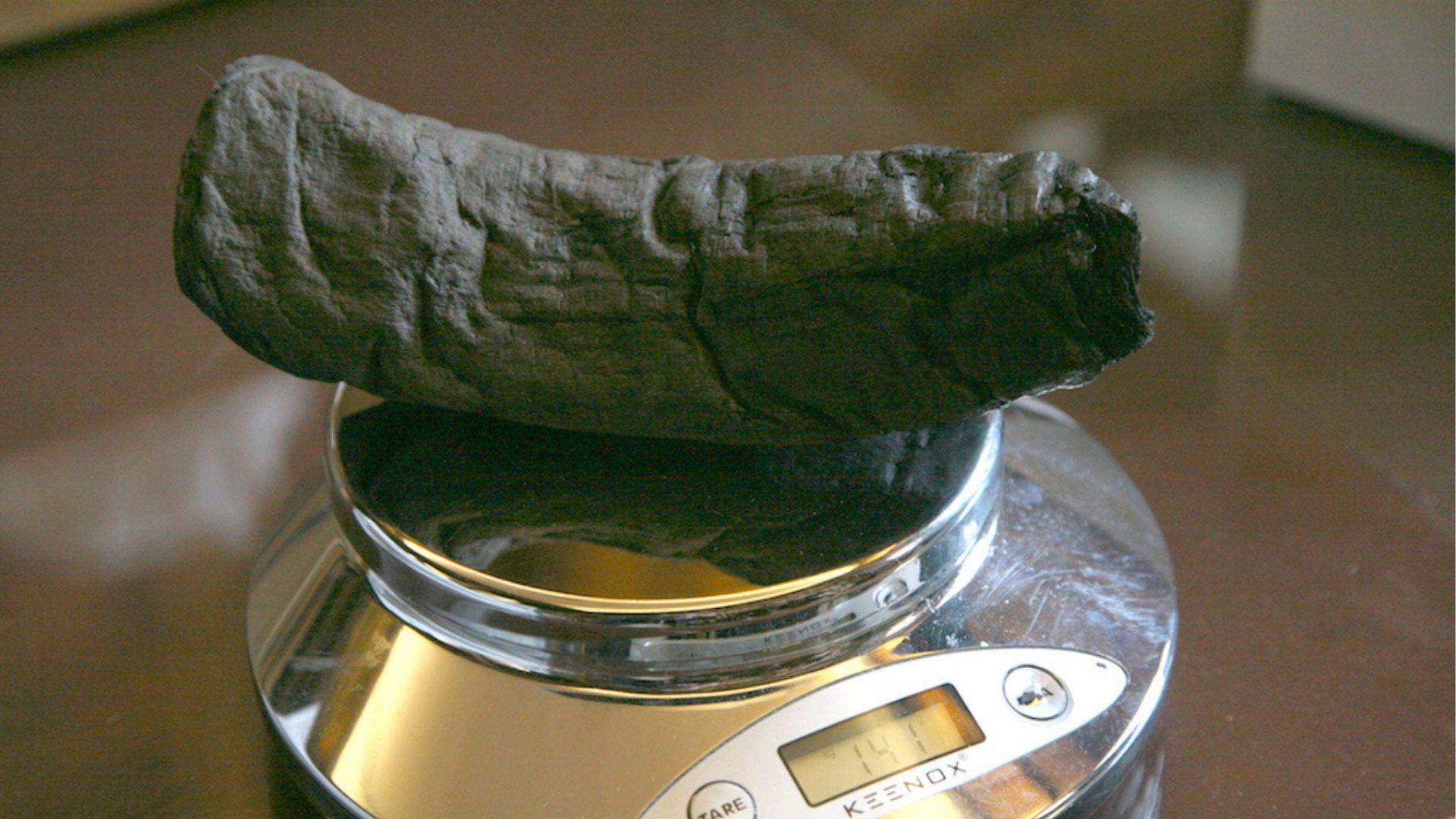
When they were found in 1752, the scrolls were completely ruined; they were stuck together and blackened by the volcanic ash from the volcano eruptions.
In fact, some archaeologists attempted to open one of the scrolls, but it disintegrated immediately. Since then, the mysterious scrolls have been under safekeeping at the National Library in Naples, Italy, in the hopes that someone, someday, would be able to read them.
The Vesuvius Challenge
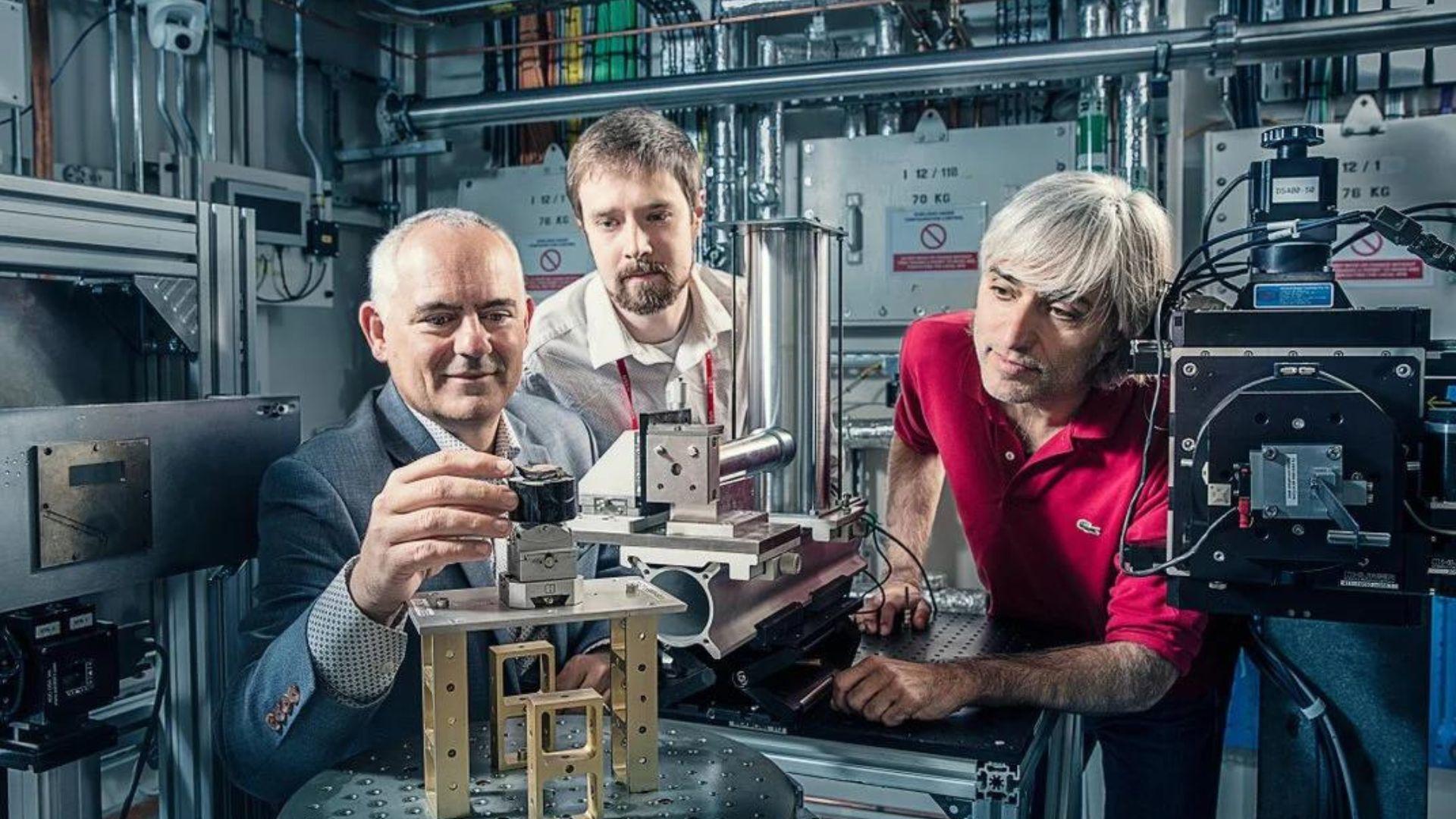
In March 2023, more than 150 years after the scrolls had been found, friends and colleagues Brent Seales, Nat Friedman, and Daniel Gross started the Vesuvius Challenge.
Thanks to high-resolution CT scans, the scientists were able to upload photographs of the unreadable scrolls, and they announced that anyone who could decipher it could win a cash prize. While there were several smaller prizes available, those who could figure out “4 passages of 140 characters each, with at least 85% of characters recoverable” would receive a whopping $700,000.
The First Letters of the Scroll Were Finally Deciphered
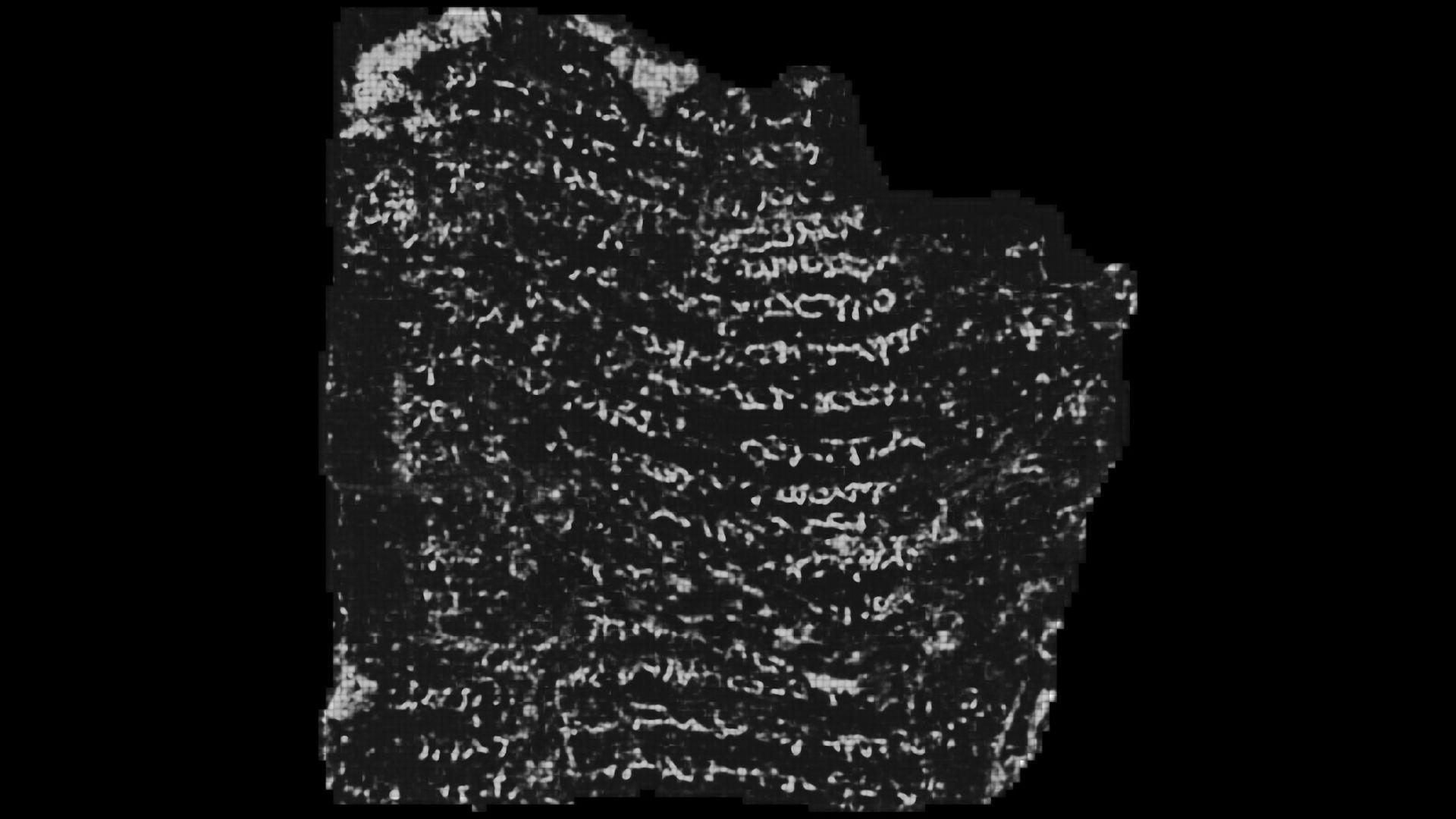
Just six months after the competition began, Luke Farritor, a computer science student from Nebraska, USA, won the first prize. He was able to decipher the first legible word in the scroll as “ΠΟΡΦΥΡΑϹ,” which reads as “porphyras,” or in ancient Greek, “purple.”
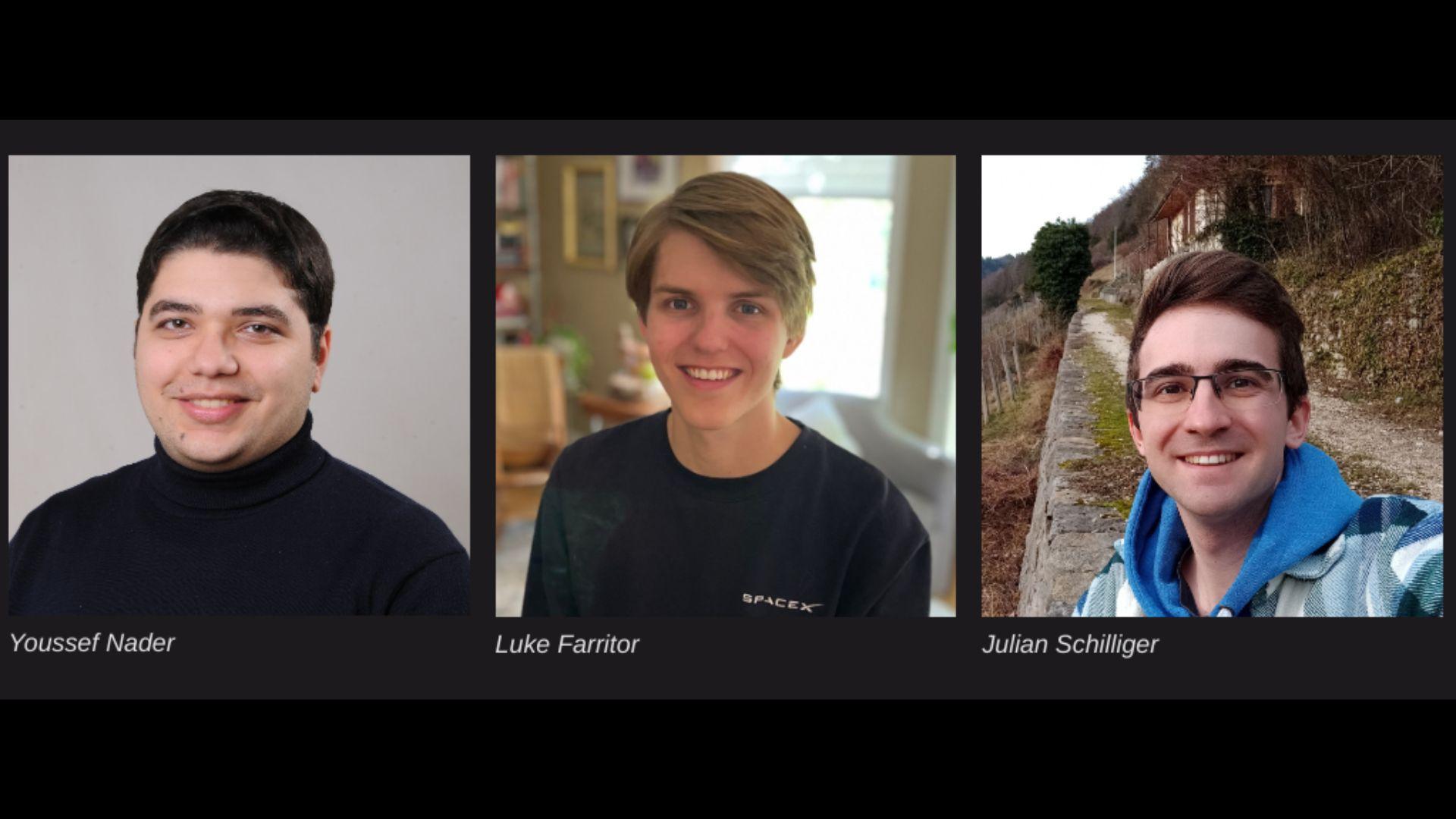
Farritor won $40,000 for his work, but he didn’t stop there. In fact, Farritor decided to join forces with two other students who had already won their own prizes in the competition: Youssef Nader, an Egyptian student studying for his Ph.D. in Germany, and Julian Schillinger, a robotics student from Switzerland.
The Three Students Got to Work
The three young students went to work, attempting to make sense of the illegible script. Of course, the script is complete nonsense to the naked eye, but thanks to the newest technologies, they were able to finally decipher the CT of the scroll.
The Vesuvius Challenge reported that their submission included “results from three different model architectures, each supporting the findings of the others, with the strongest images often coming from a TimeSformer-based model.”
The Technology Used to Decipher the Scroll
For those who don’t study computer vision, machine learning, or artificial intelligence, understanding just how these students were able to use brand-new technology to decode illegible characters on 2,000-year-old burnt papyrus is all but impossible.
While every detail of their scientific work is explained by the creators of the Vesuvius Challenge, the vast majority of people are far more interested in learning what the scrolls actually say.
Just 5% of the First Scroll Has Been Decoded
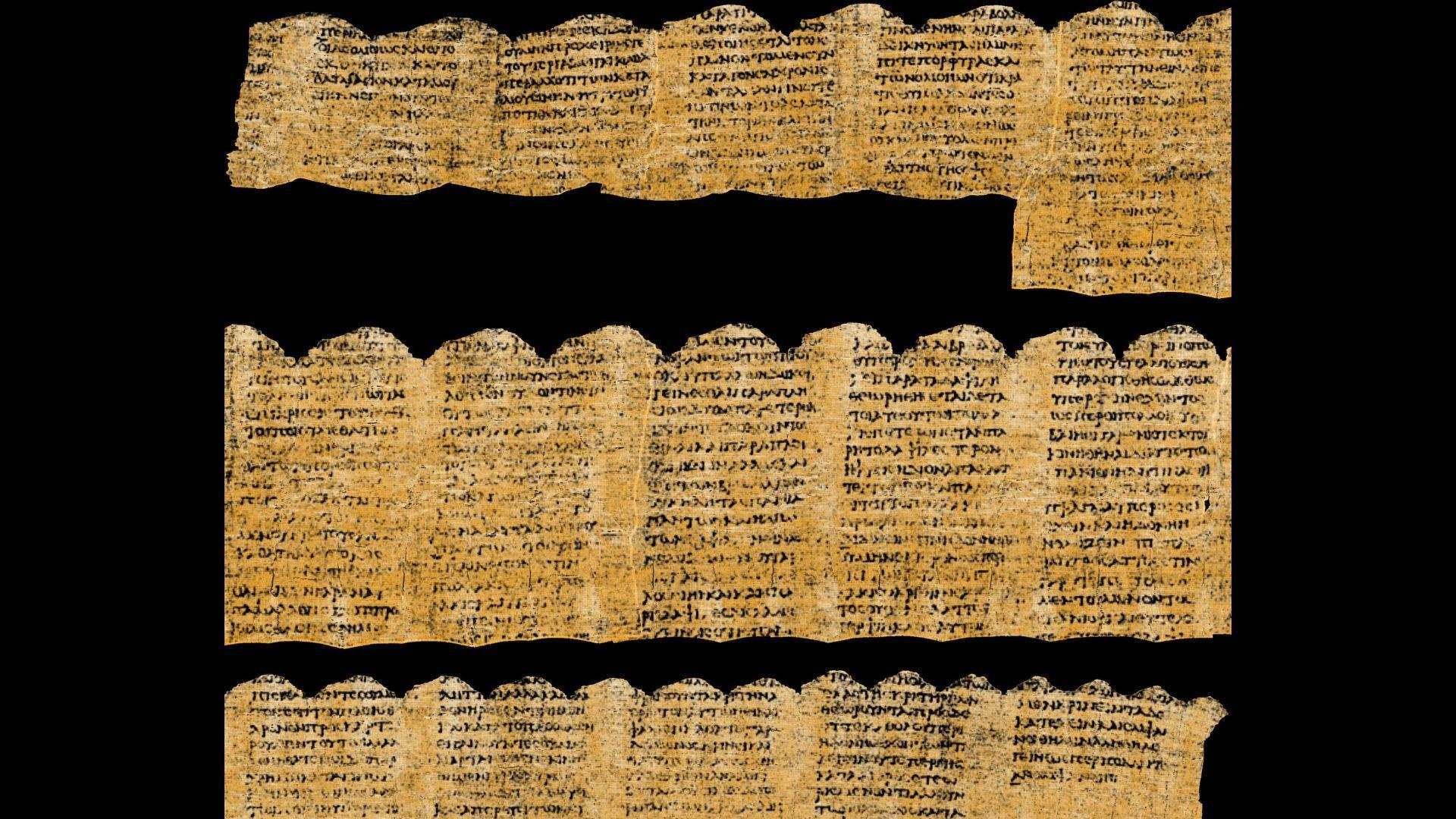
According to the Vesuvius Challenge, about 5% of the very first scroll has been read, thanks to Nader, Schillinger, and Farritor’s efforts.
And while they haven’t released the exact translation yet, they have reported that, “The general subject of the text is pleasure, which, properly understood, is the highest good in Epicurean philosophy. The author is concerned with whether and how the availability of goods, such as food, can affect the pleasure which they provide.”
An Ancient Blog Post
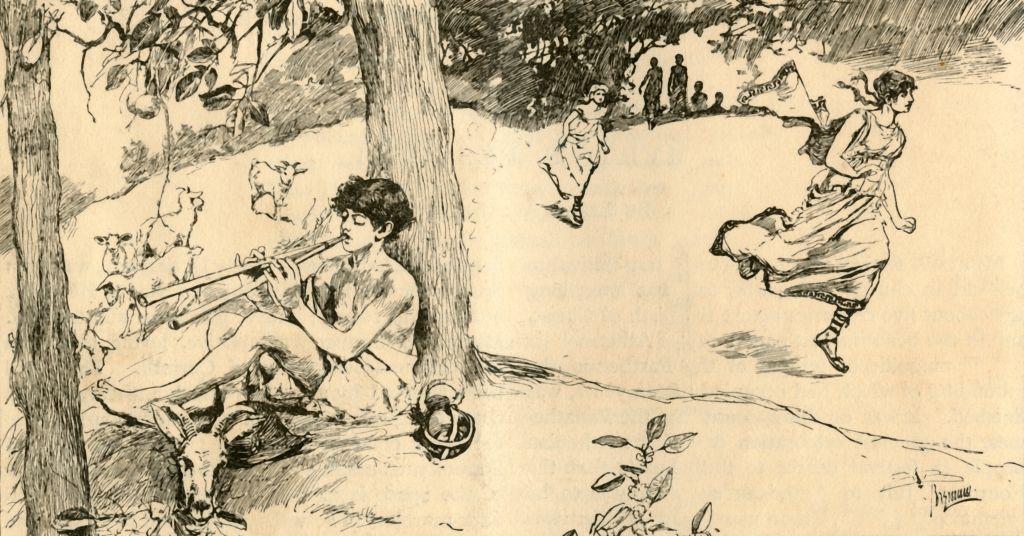
In addition to philosophical wonderings, the text also appears to discuss music, food, and the human senses.
The Vesuvius Challenge organizers explained, “Scholars might call it a philosophical treatise, But it seems familiar to us, and we can’t escape the feeling that the first text we’ve uncovered is a 2,000-year-old blog post about how to enjoy life.”
Scientists Will Use These Student’s Tactics to Attempt to Decipher More of the Scrolls
Having more than 2,000 characters of the Herculaneum papyrus finally translated is wildly exciting, but the scientists from the Vesuvius Challenge aren’t stopping there.
They will use the technology the three young students programmed to continue decoding as much as they can of the 800 scrolls, as well as start the second phase of the competition, Vesuvius Challenge Stage 2. And maybe even change history as we know it.
AI Can Help Us Better Understand the Past
Like Vesuvius Challenge organizer Nat Friedman told the press when they started the competition, "It's fun to take AI and build the future, but it’s also fun to get a little window into the past.”
And maybe most importantly, as Robert Fowler, a judge for the competition, said, “Some of these texts could completely rewrite the history of key periods of the ancient world.”