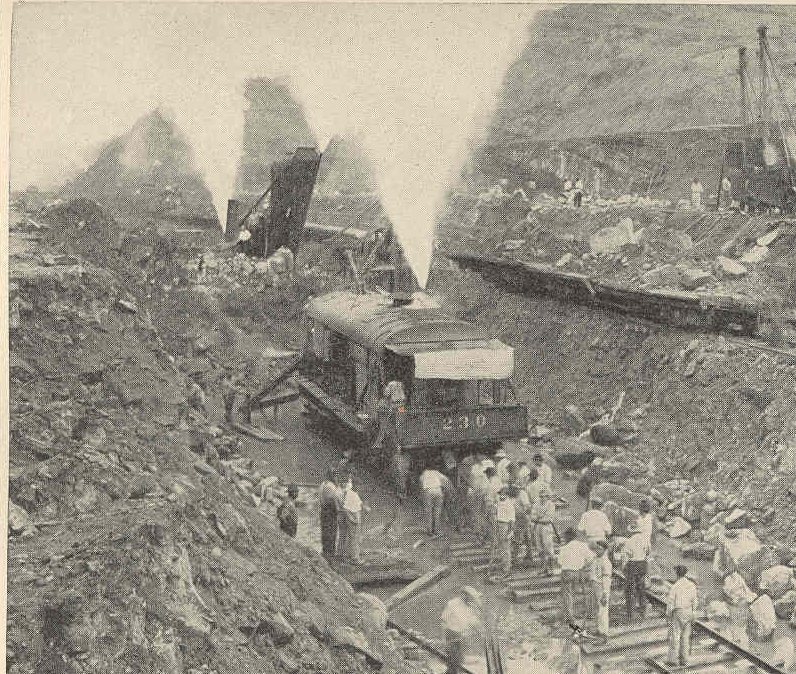
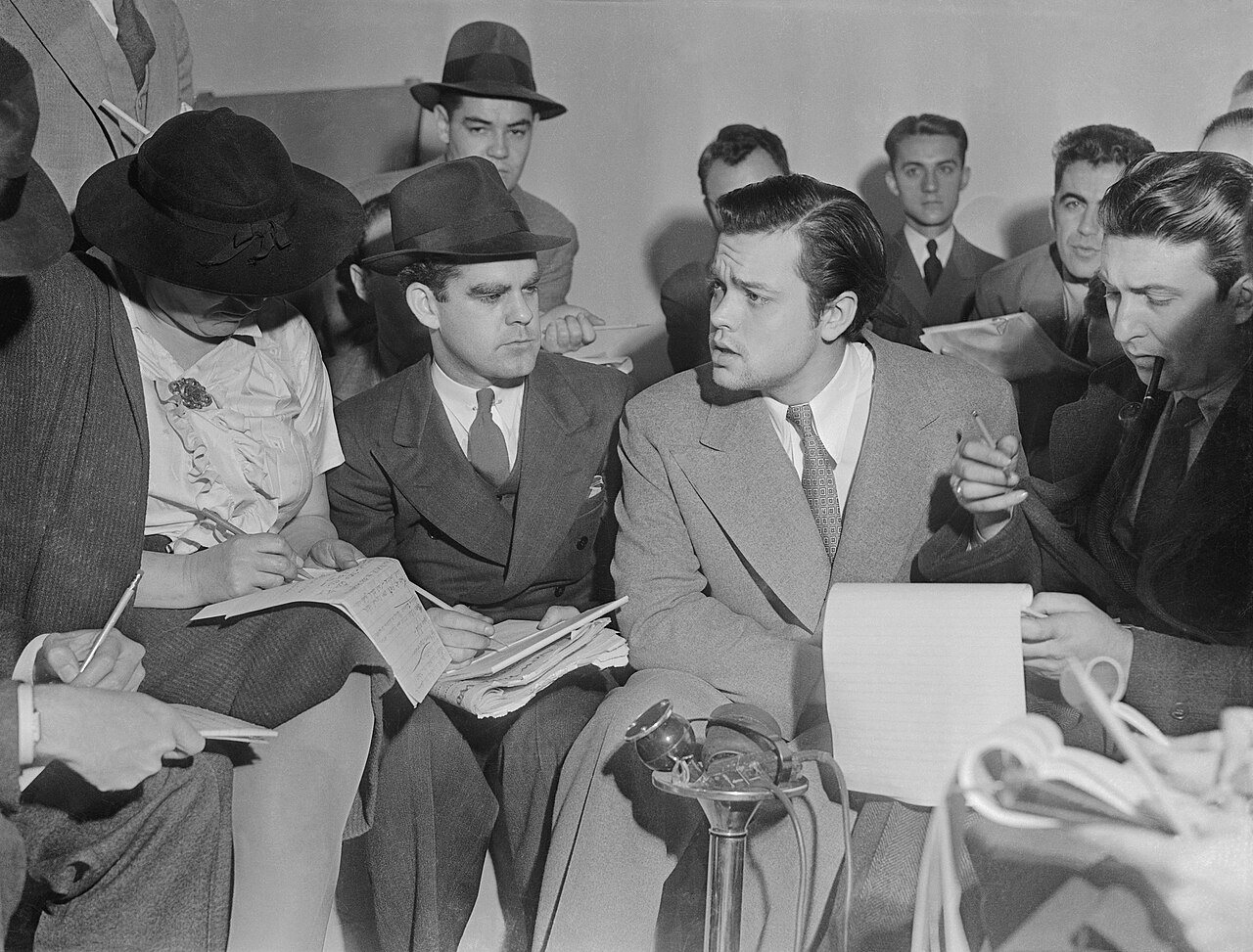
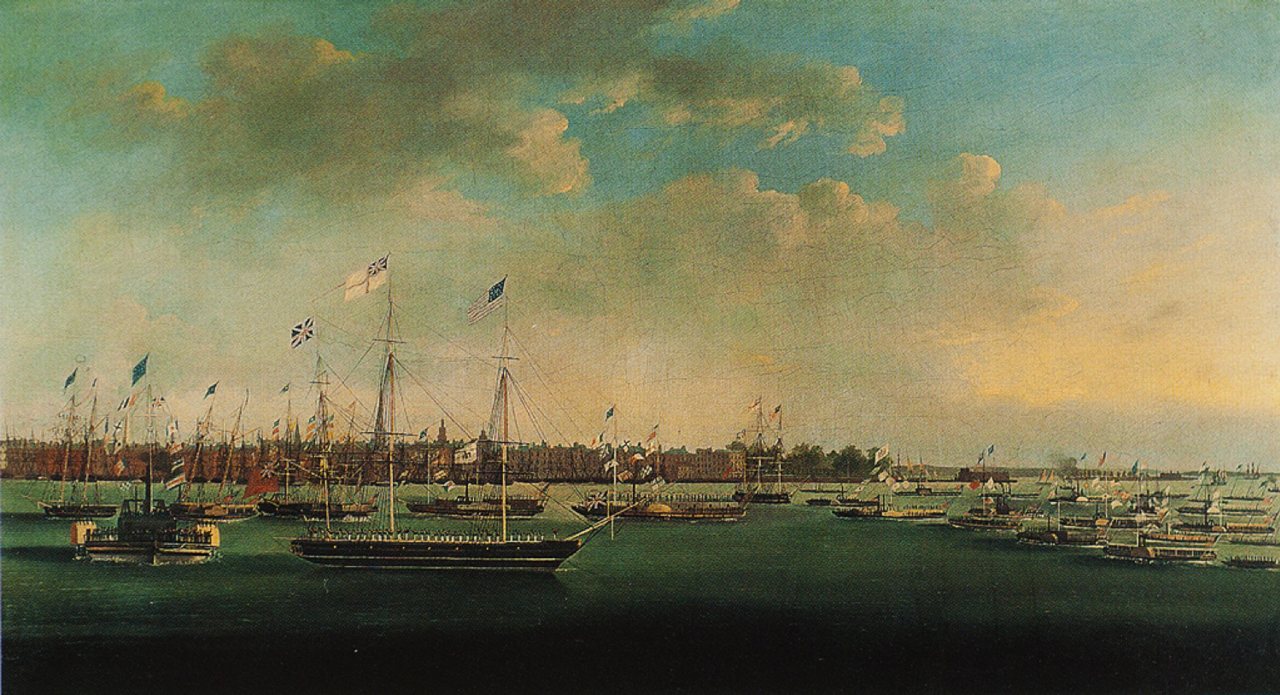
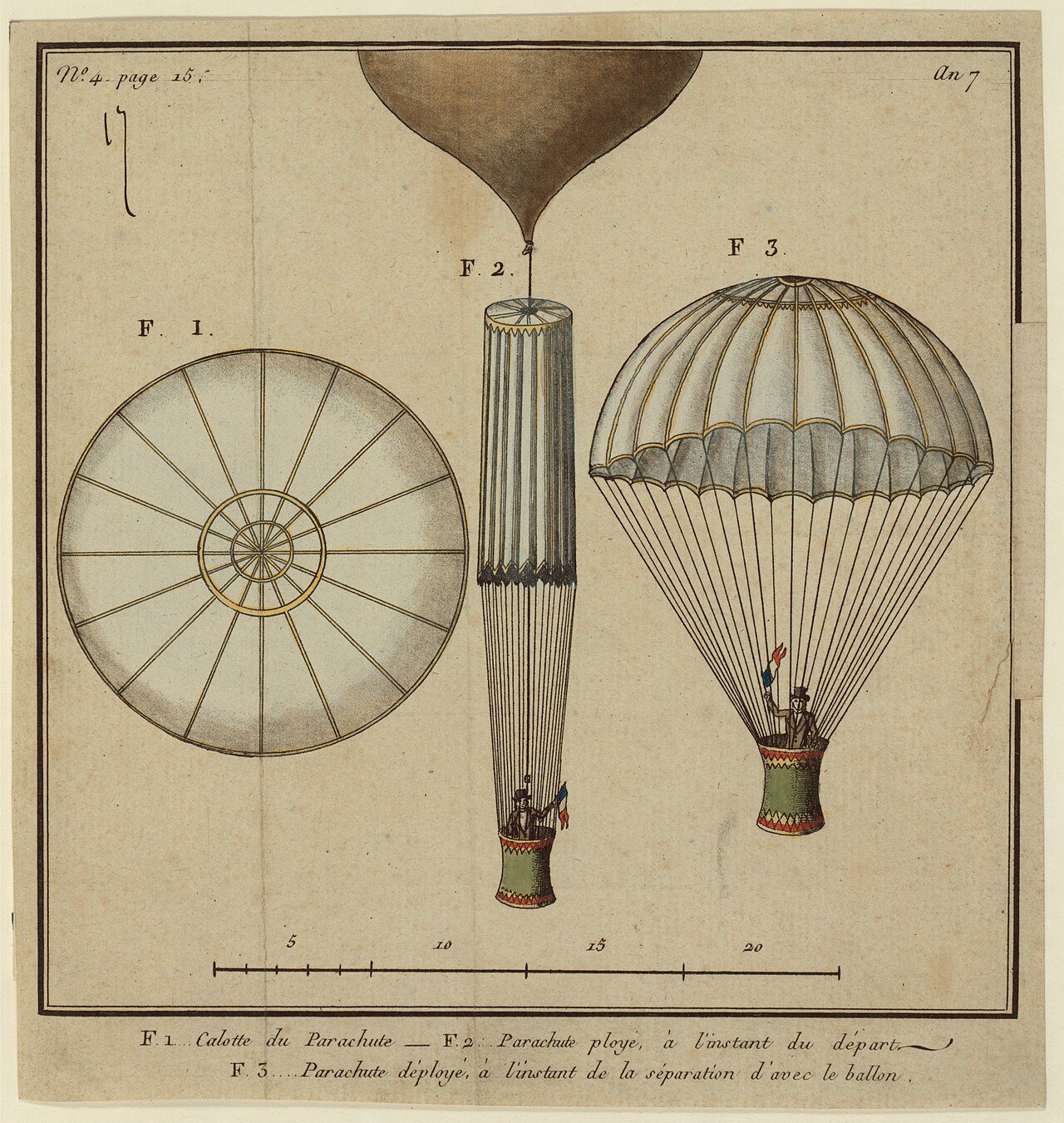
Photo: Ernest Hallen, public domain, via Wikimedia Commons
On the evening of November 3, 1903, a new country announced itself on the Isthmus of Panama. The revolution took about a day, and it was funded with a check written in a New York hotel room. Its one confirmed human casualty was a civilian named Wong Kong Yee, killed by a shell from a Colombian gunboat. The usual accounts add a donkey.
Offshore at Colón sat the USS Nashville, which had arrived the day before. Officially it was there to protect a railroad.
I've always found the Panama story a little embarrassing to tell, because nearly everyone in it behaved like a character in a light opera, and the consequences were enormous. The treaty that followed gave the United States control of a strip of land across the isthmus for most of the twentieth century.
A canal Colombia wouldn't sell
Panama was then a province of Colombia, and it had one thing the world wanted: the narrowest practical route between the Atlantic and the Pacific. A French company led by Ferdinand de Lesseps, fresh from Suez, had tried to dig a canal there in the 1880s and gone bankrupt.
The United States wanted to finish the job, and many in Washington preferred a route through Nicaragua instead. Congress settled on Panama in 1902, on the condition that a deal could be made with Colombia. Secretary of State John Hay duly negotiated one, the Hay-Herrán Treaty, offering $10 million up front and $250,000 a year.
On August 12, 1903, the Colombian Senate rejected it. Colombia was worn out by the Thousand Days' War, which had ended only the previous November, and the terms struck many legislators as far too thin. Theodore Roosevelt took this badly.
The engineer and his postage stamp
Enter Philippe Bunau-Varilla, a French engineer who had worked on the failed canal and whose fortunes remained tied to it. He had spent years lobbying for Panama, and he is credited with one of the better stunts in American legislative history.
In 1902 a volcanic eruption on Martinique killed about 30,000 people, and Nicaragua's route ran through volcanic country. As Congress was making up its mind, Bunau-Varilla got hold of a Nicaraguan stamp showing Momotombo with smoke pouring from its top and mailed one to every senator. How much that swayed anyone is hard to say, and Bunau-Varilla was never a man to undersell his own part. It's still a very good trick.
The following year he met Manuel Amador Guerrero at the Waldorf-Astoria in New York. Amador was a physician for the Panama Railroad and the leader of a group of plotters, and he had come north to find out what the Americans would do. Bunau-Varilla wrote him a $100,000 check and asked for something in return: he wanted to be the new republic's representative in Washington.
A railroad timetable saves the revolution
Roosevelt never formally backed the plot, though the plotters were left in little doubt about how Washington would feel. He ordered the Nashville, under Commander John Hubbard, to the isthmus, and the ship anchored at Colón on November 2. The stated reason was an 1846 treaty obliging the United States to keep the railroad open.
The next morning things nearly fell apart. Around 500 Colombian troops of the Tiradores battalion landed at Colón under Generals Juan Tovar and Ramón Amaya, and a number of conspirators lost their nerve. It was Amador's wife, María de la Ossa, who is said to have proposed the obvious fix, which was to separate the generals from their men.
The railroad did the rest. Its officials, James Shaler and Herbert Prescott, persuaded the generals to go ahead to Panama City on a special train and promised that the troops would follow. The troops did not follow. When the generals arrived, Esteban Huertas, the commander of the local garrison and a man Amador had won over, had them arrested.
That evening, independence was proclaimed. The gunboat Bogotá fired on Panama City during the night, which is how Wong Kong Yee died. In Colón, the leaderless troops stood off with a handful of American sailors for a tense stretch, then sailed for home within days. Their commander is generally said to have accepted a cash payment first, with $8,000 being the figure usually given.
The treaty no Panamanian signed
The United States recognized the new government unofficially within days and formally on November 13. Then came the part that still grates. On November 18, Hay and Bunau-Varilla signed the treaty that gave the United States the canal rights and a zone across the isthmus, in perpetuity.
Bunau-Varilla, who had not lived in Panama for 17 years, signed for Panama. No Panamanian put a name to it. A delegation from the new government was still on its way to Washington, and he seems to have been determined to get it done before they could arrive and ask for changes. The junta had little choice but to ratify, since it now depended entirely on American protection.
The money was the same $10 million that Colombia had turned down. The difference was that the United States would now hold the land "in perpetuity," with powers that were more or less those of a sovereign.
"I took the Isthmus"
Wide panorama of the Culebra Cut around 1913, a terraced trench through the hills with rail lines along the bottom (Photo: Panama Canal Commission collection, public domain, via Wikimedia Commons)
The canal opened in August 1914. Critics, including the New York Times, had condemned the affair from the start, and Roosevelt's own defense didn't help much. Years later he said: "I took the Isthmus, started the canal and then left Congress not to debate the canal, but to debate me." He meant it as a boast. I'd call it the most accurate summary anyone ever gave.
Colombia held out for years. Only under the Thomson-Urrutia Treaty, which took effect in 1921, did it accept Panama's independence, with the United States agreeing to pay it $25 million. That looks a lot like an apology, although nobody involved used the word.
Why November matters in Panama today
Omar Torrijos and Jimmy Carter ended the long argument with the treaties they signed in 1977. The Canal Zone was abolished in 1979, and Panama took over the canal itself at noon on December 31, 1999.
Today is a public holiday there, the day Panamanians call their Separation from Colombia, and it opens a month of patriotic dates with marching bands in the streets of Panama City. Tourists at the Miraflores locks mostly come to watch the ships rise. I'd suggest thinking for a minute about the train that left Colón on the morning of November 3, 1903, without the soldiers it was supposed to carry.
Enjoyed this story?Get a new one every day on social.