The 'Doomsday' Seed Vault Built to Protect Crops from Extinction
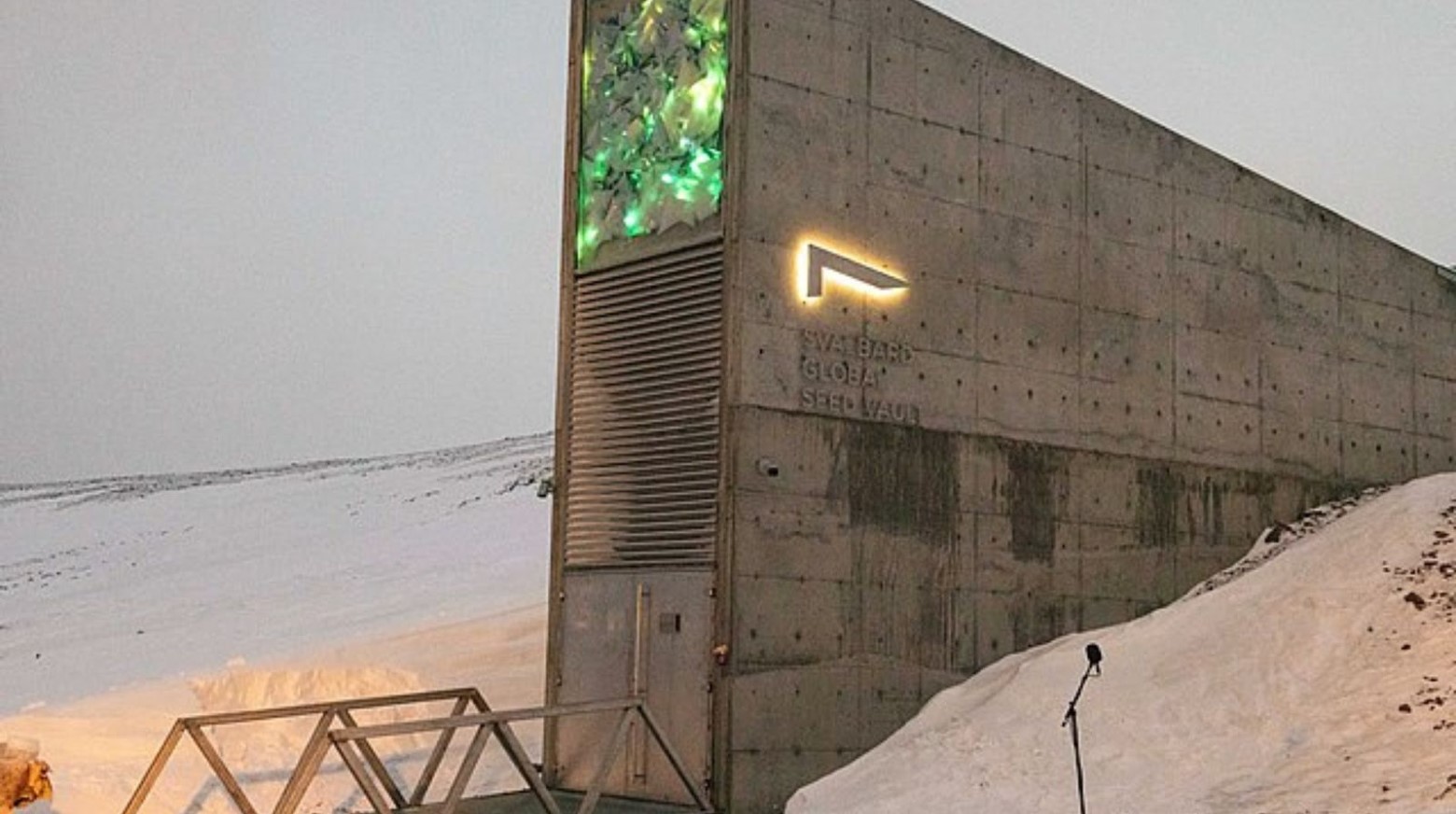
In preparation for any potential doomsday happening, a seed vault has been built to help feed civilization.
While this vault has been in operation since 2008, in February 2024, it received its biggest seed donation yet.
The Crop Trust Set Up the Doomsday Seed Vault
With the FAO recognizing in 1996 that there was a need to conserve the world’s crop diversity, the Crop Trust was set up in 2004.
This was done to ensure that, should anything threaten crops grown in any country, there are enough provisions to ensure a good harvest for that country.
The Doomsday Seed Vault Is in Norway
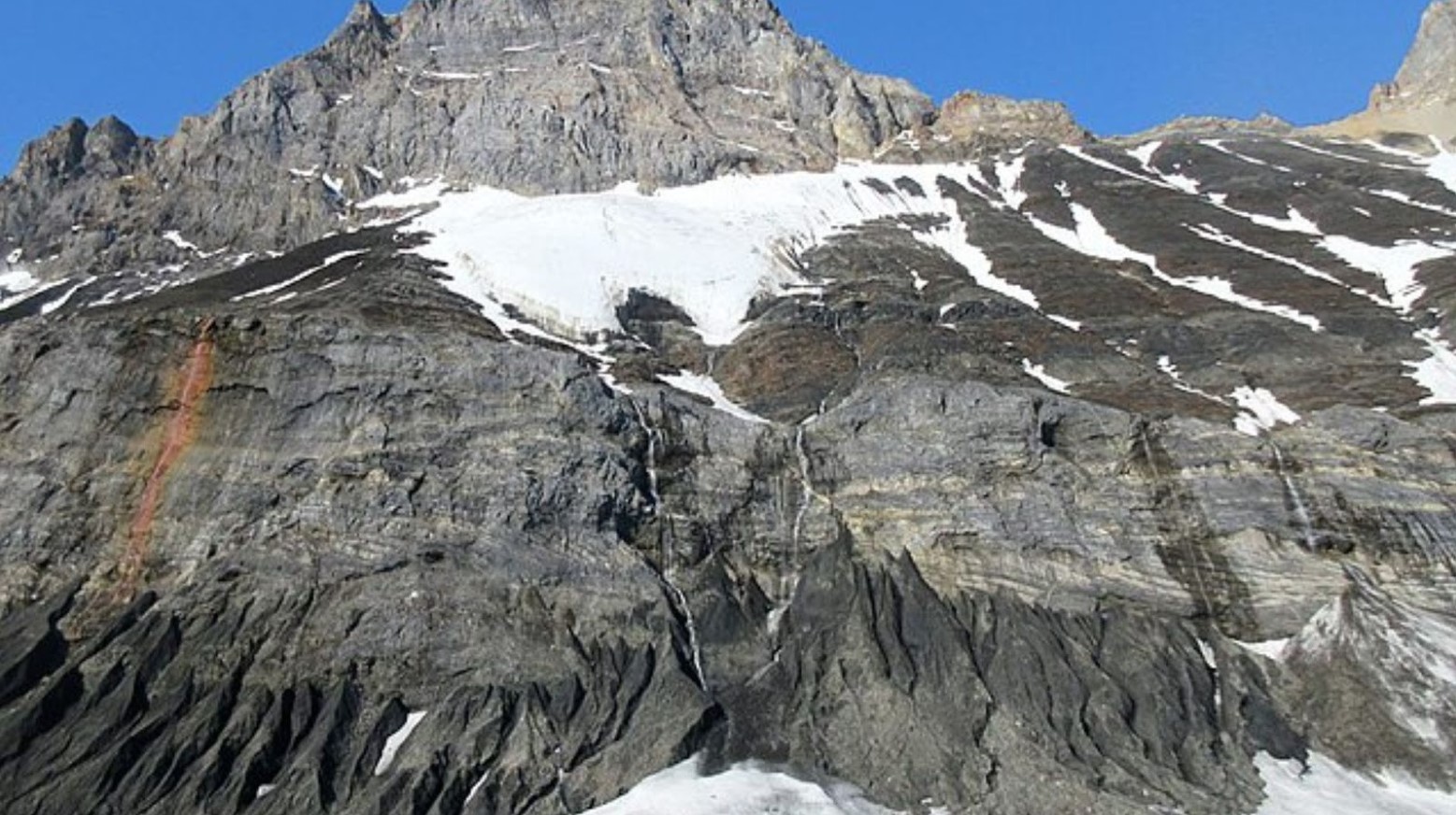
The Arctic Seed Vault is located in Norway on Spitsbergen Island and was set up in case of various disasters, often likened to a doomsday scenario.
Reuters reported that these disasters can range from nuclear war to global warming. Essentially, if anything bad happens, the seed vault will be used to provide food.
The Seed Vault Contains 1.2 Million Seeds
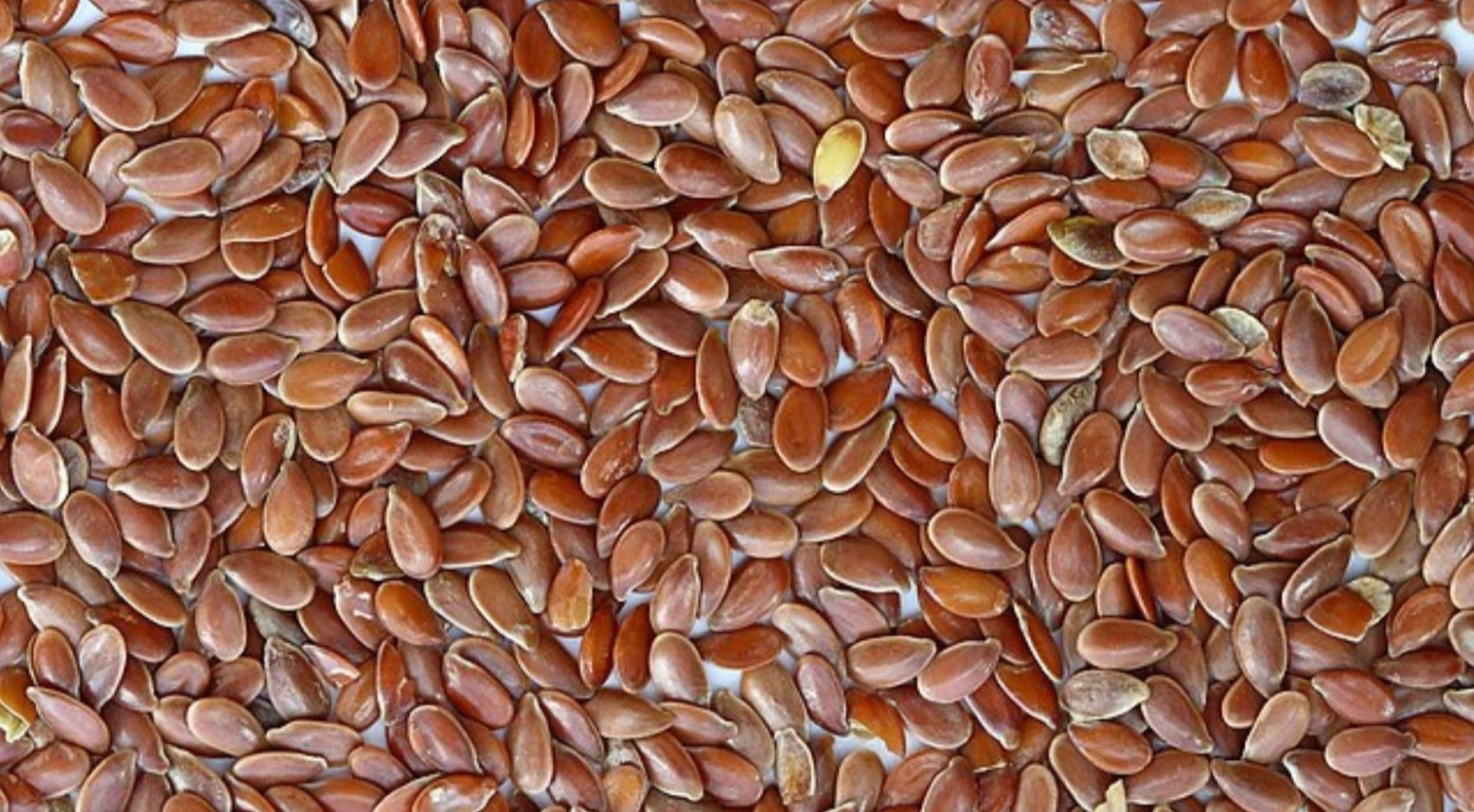
With the stash of seeds having been growing since 2008, that total hit 1.2 million in February 2024.
The Crop Trust receives seeds from all over the world, with many countries having contributed to this stash.
A Range of Crops Have Been Stored
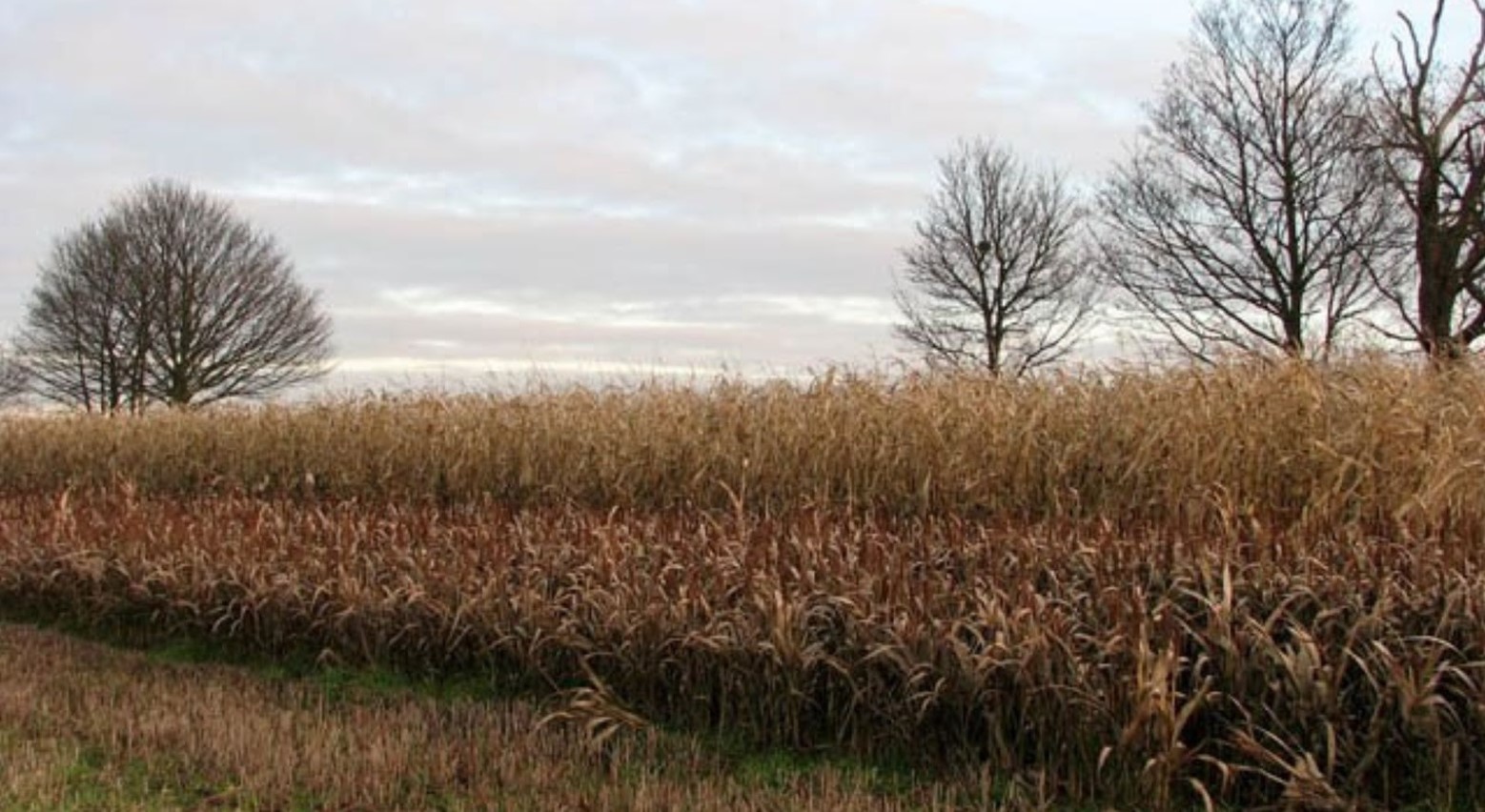
Many different kinds of crops have been stored in the seed vault to ensure that there are enough crops to go around should the worst happen.
Reuters reported that some of the crops kept in the seed vault include beans, barley, cowpea, corn, rice, millet, and sorghum.
Many Countries Donate to the Seed Vault
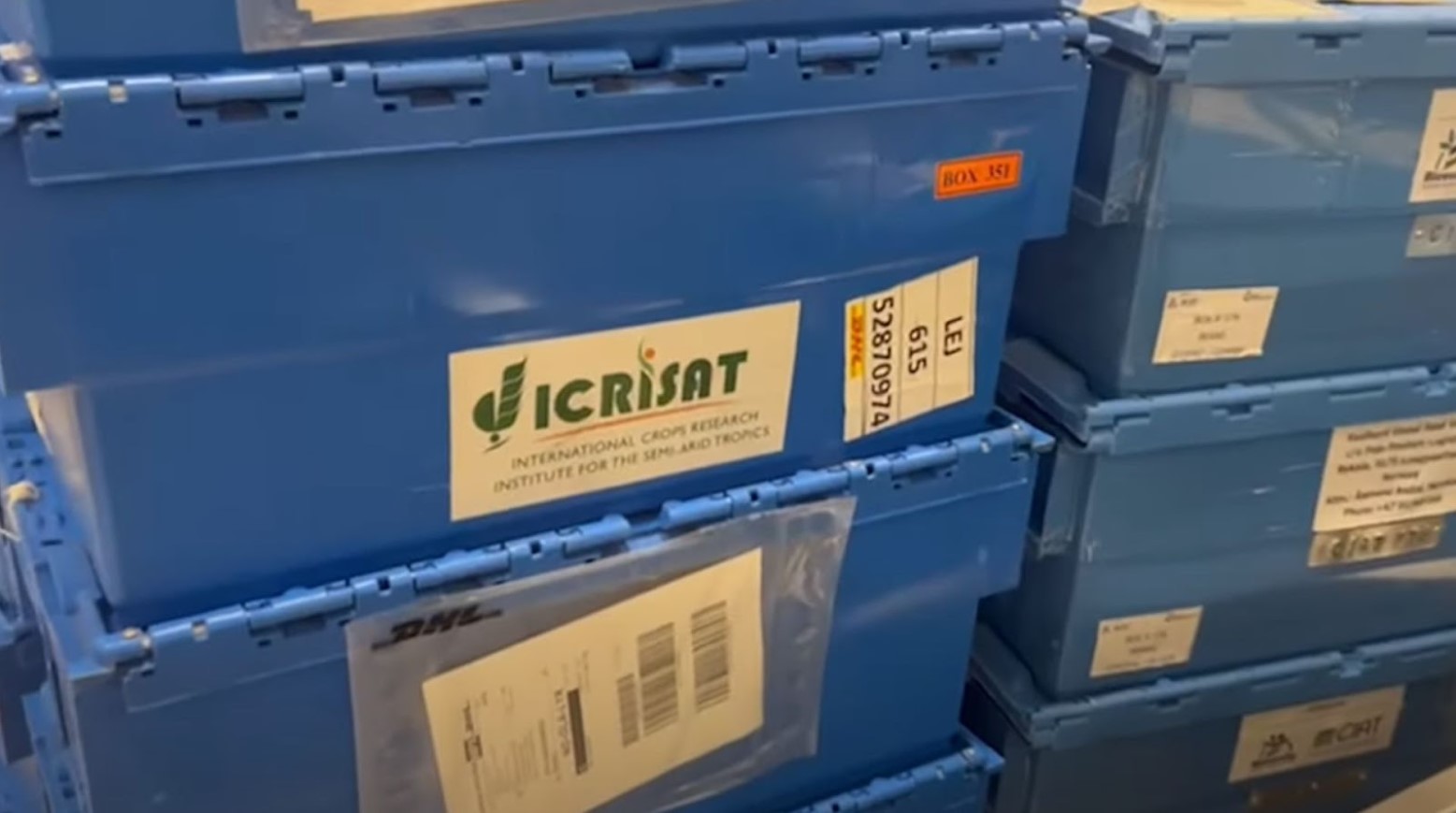
Many countries donate to the seed vault to ensure there are plenty of crops available.
Countries that have donated include Canada, China, India, Nepal, the United States, Germany, Russia, and Austria, according to Food Tank.
The Seeds Are Kept in Subzero Temperatures
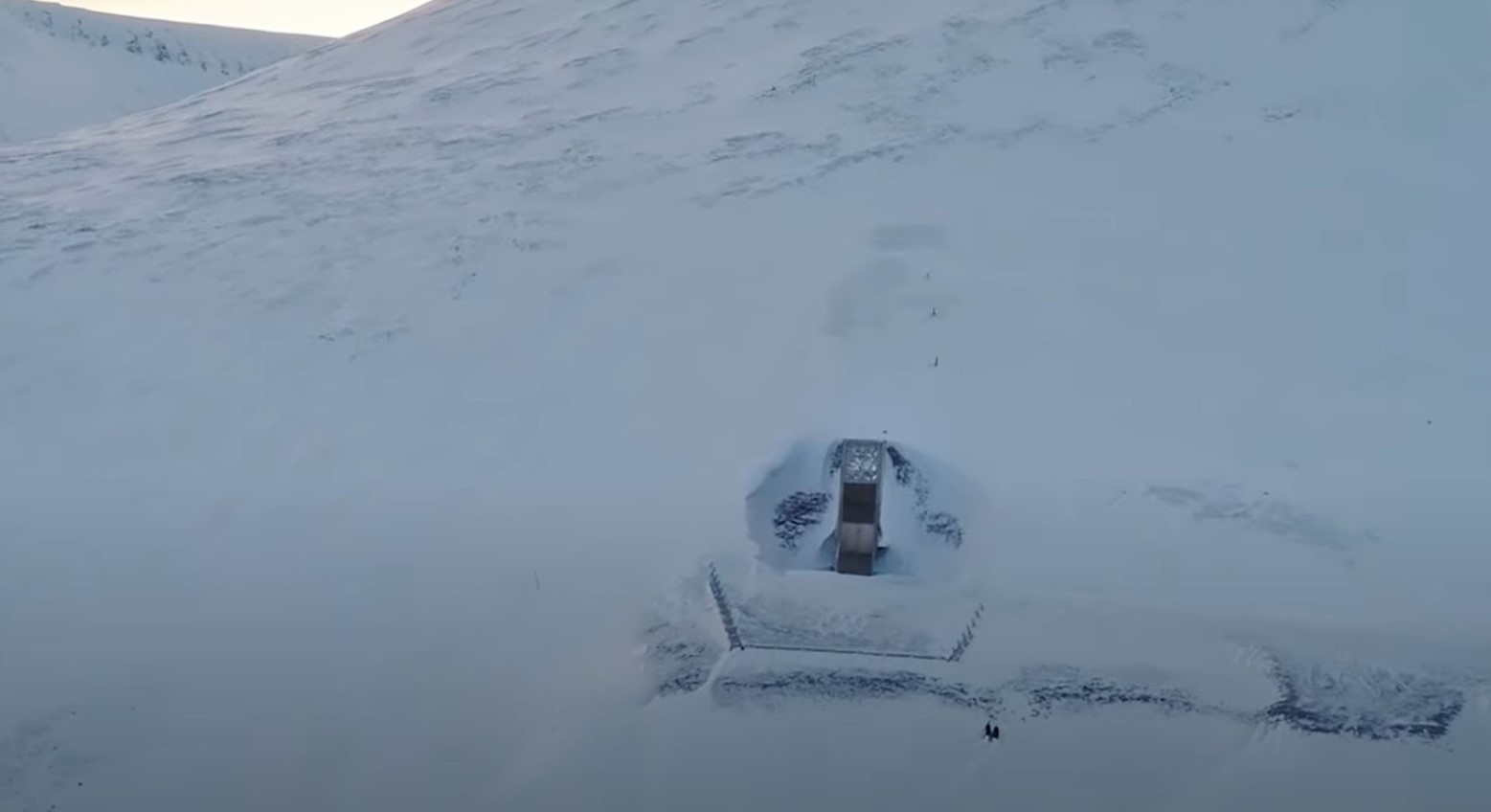
To preserve the seeds for longer, they are kept in freezing temperatures.
According to Science Alert, the Arctic environment surrounding the seed vault enables the seeds to be kept at -18 degrees Celsius (-0.4 degrees Fahrenheit).
The Seed Vault Was Used in the Syrian War
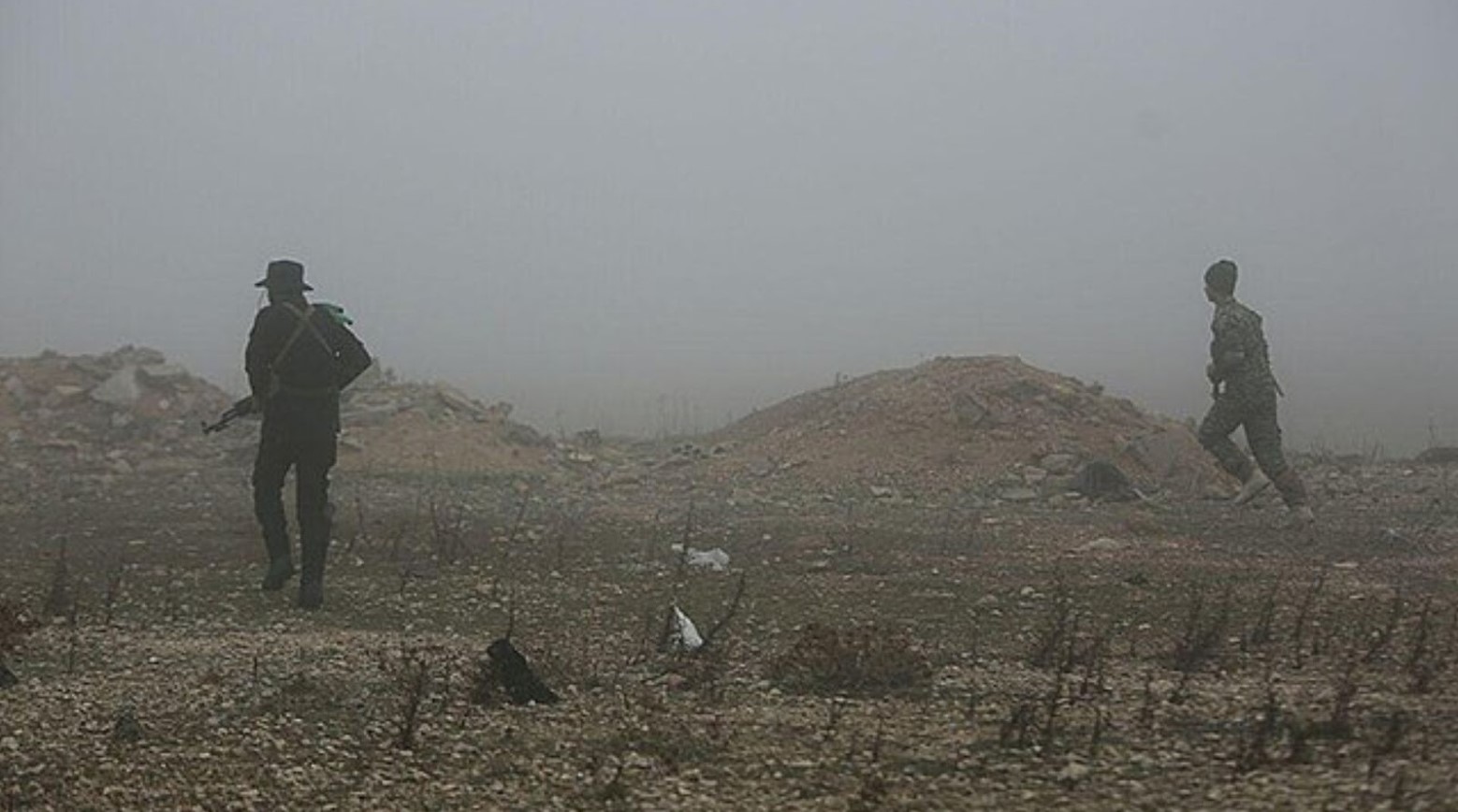
Between 2015 and 2019, the seed vault was used to donate supplies to those who had been affected by the Syrian War.
ICARDA was among the first to donate seeds to the seed vault in 2008, and when the Syrian War caused issues with their supplies, the seed vault was able to give them the exact copies of their seeds, according to the Crop Trust website.
40% of Calories Come from Crops
The seed vault is incredibly important as it preserves the seeds and will likely be responsible for feeding the world should the worst happen.
The FAO reported that 60% of the world’s calorie intake comes from three main crops, which are rice, maize, and wheat, and this is why they must be preserved.
Crop Trust Has a 2030 Plan
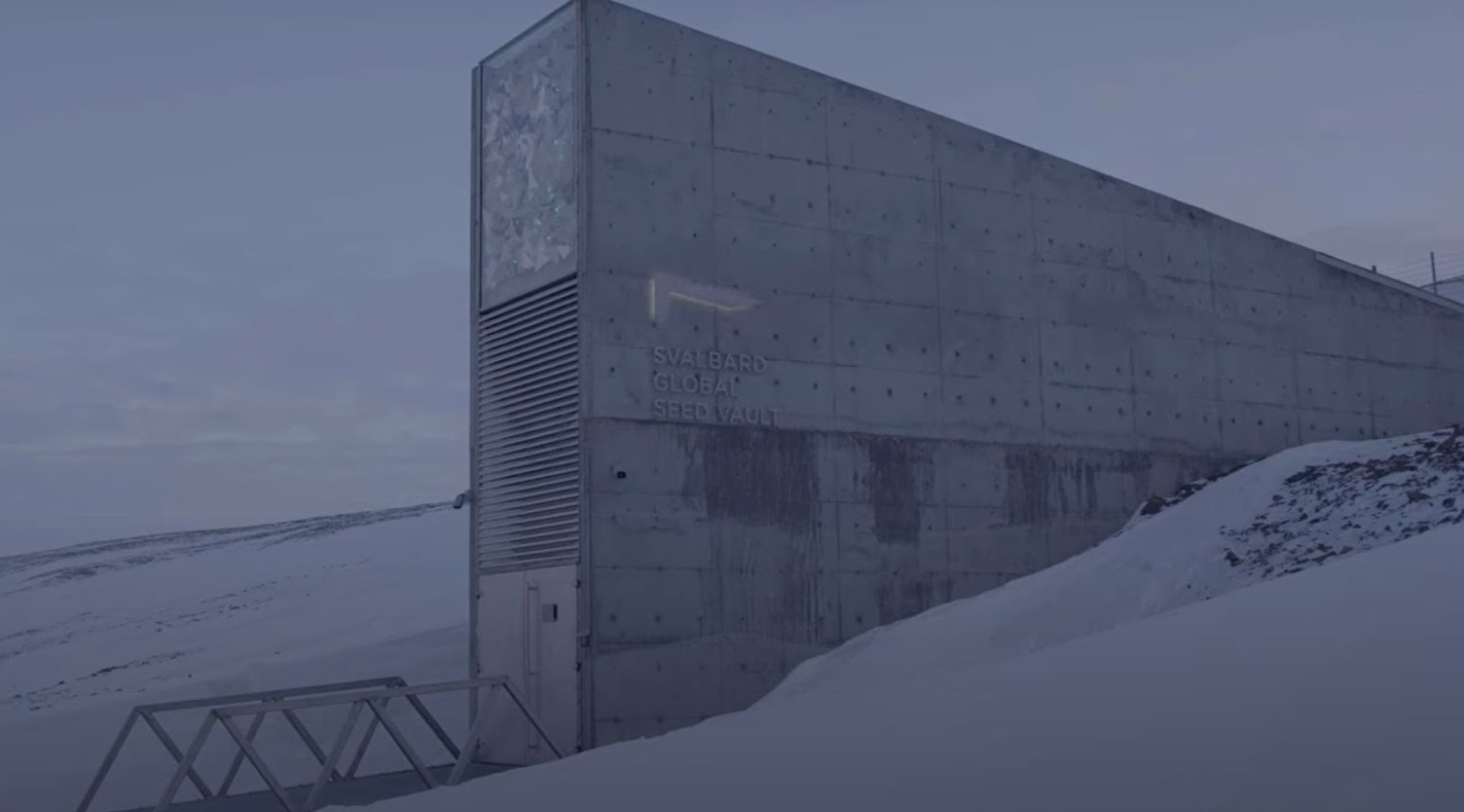
In preparation for the effects of global warming or any other form of disaster, the Crop Trust website has outlined its plan to take effect by 2030.
By 2030, Crop Trust wants to have secured key collections of crop diversity in a viable system of gene banks to make the crop diversity readily available for use.
Global Warming Could Threaten the Seed Vault
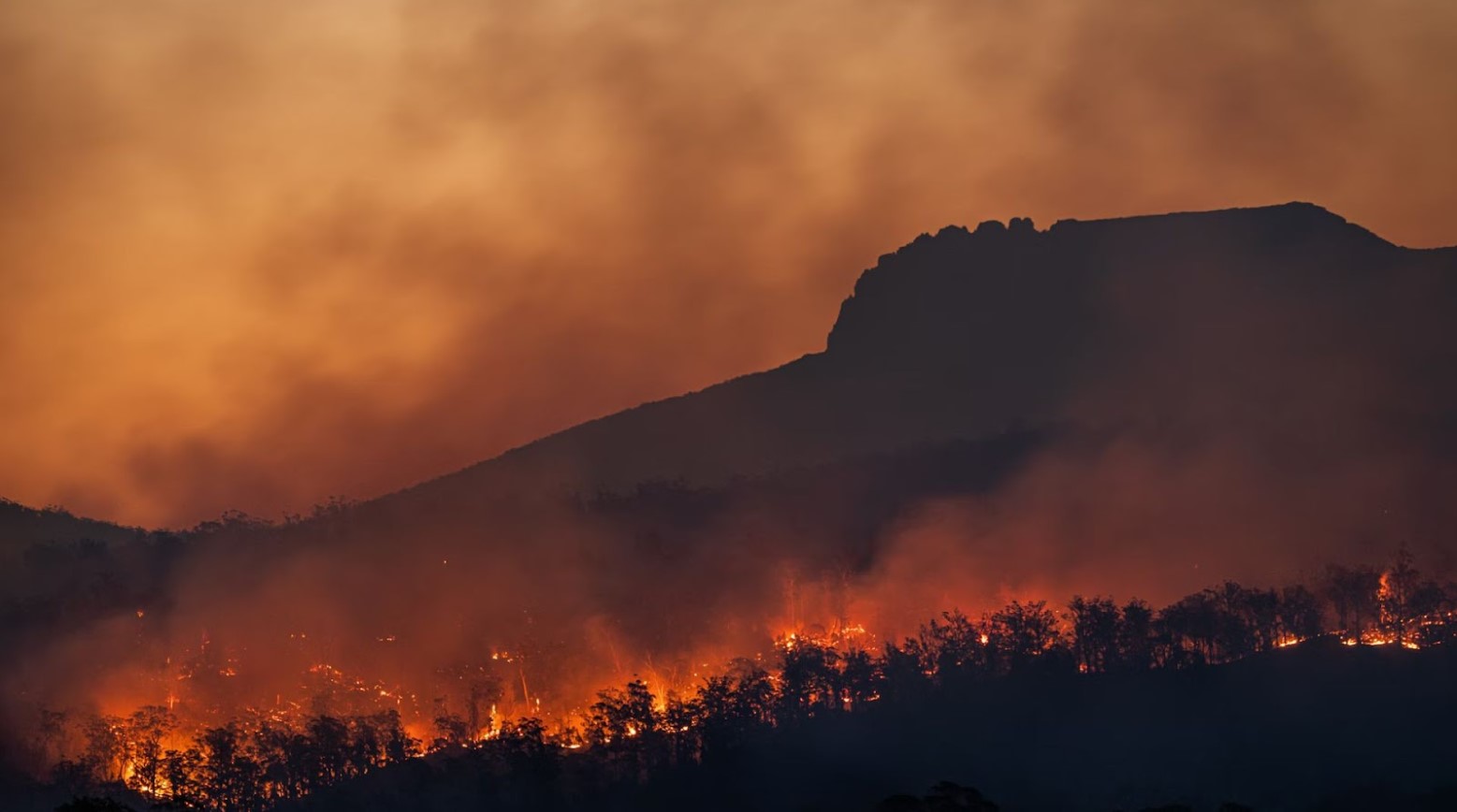
Global warming is one reason the seed vault exists, but it could already be under threat.
According to the World Economic Forum, the area around the seed vault increased by 0.39 degrees Celsius (32.7 degrees Fahrenheit) between 2008 and 2016, which could pose a risk to the seeds inside.
Tackling Climate Change Is a Priority
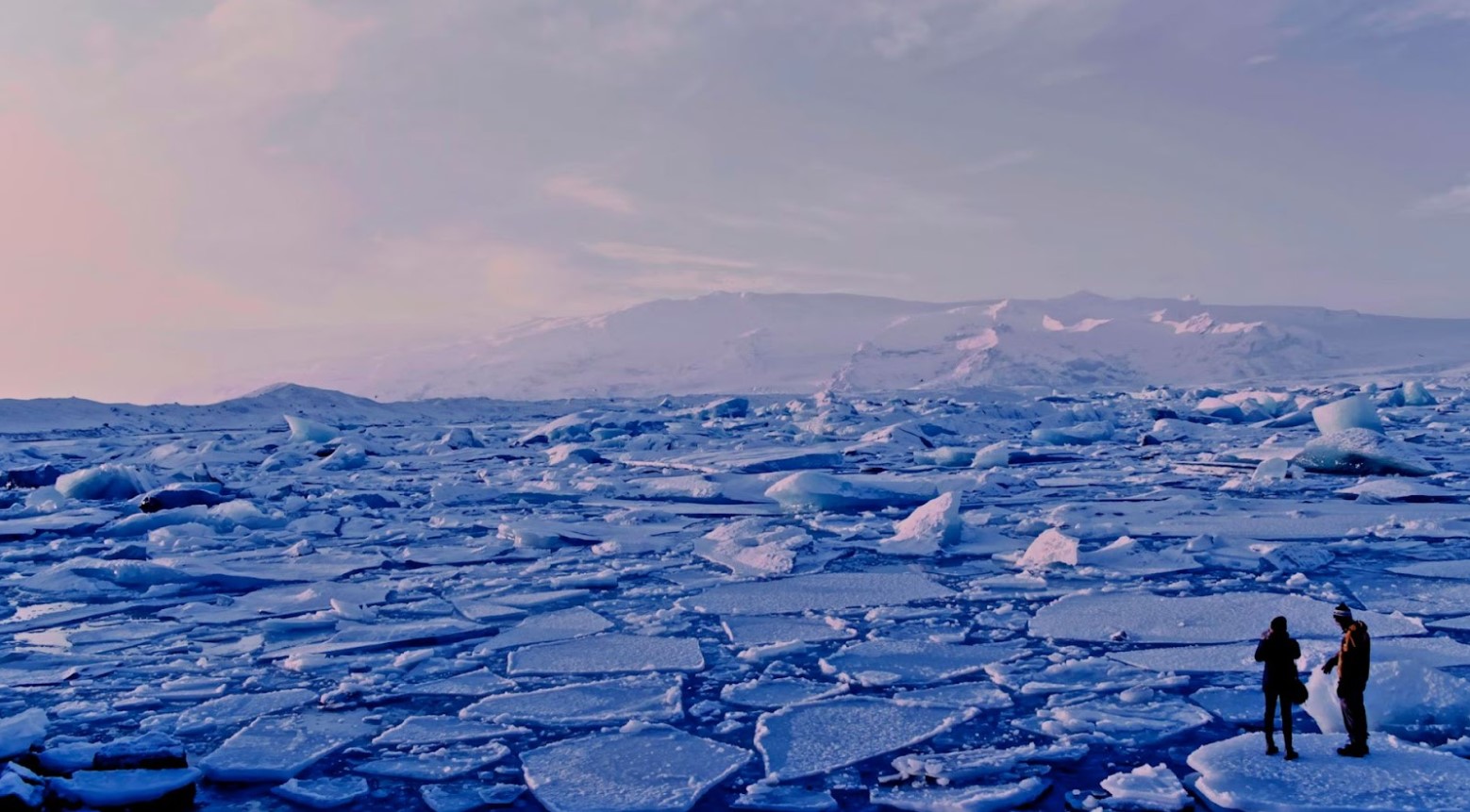
Even though the seed vault was made in part in case of climate change, climate change needs to be tackled before it gets to breaking point.
The seeds are currently able to survive for 200 years at current temperatures, but should temperatures rise, reliance on the seed vault will increase and will deplete over a decade’s worth of work sooner than initially planned.