Underwater Scans Have Revealed Hidden Stone Age 'Megastructure'
Marine geologists have discovered an ancient megastructure submerged beneath the Baltic Sea off the northern coast of Germany.
The structure is over 10,000 years old and has given researchers a much better understanding of Stone Age communities who lived in the region.
Marine Geologists Study Aboard a Research Vessel
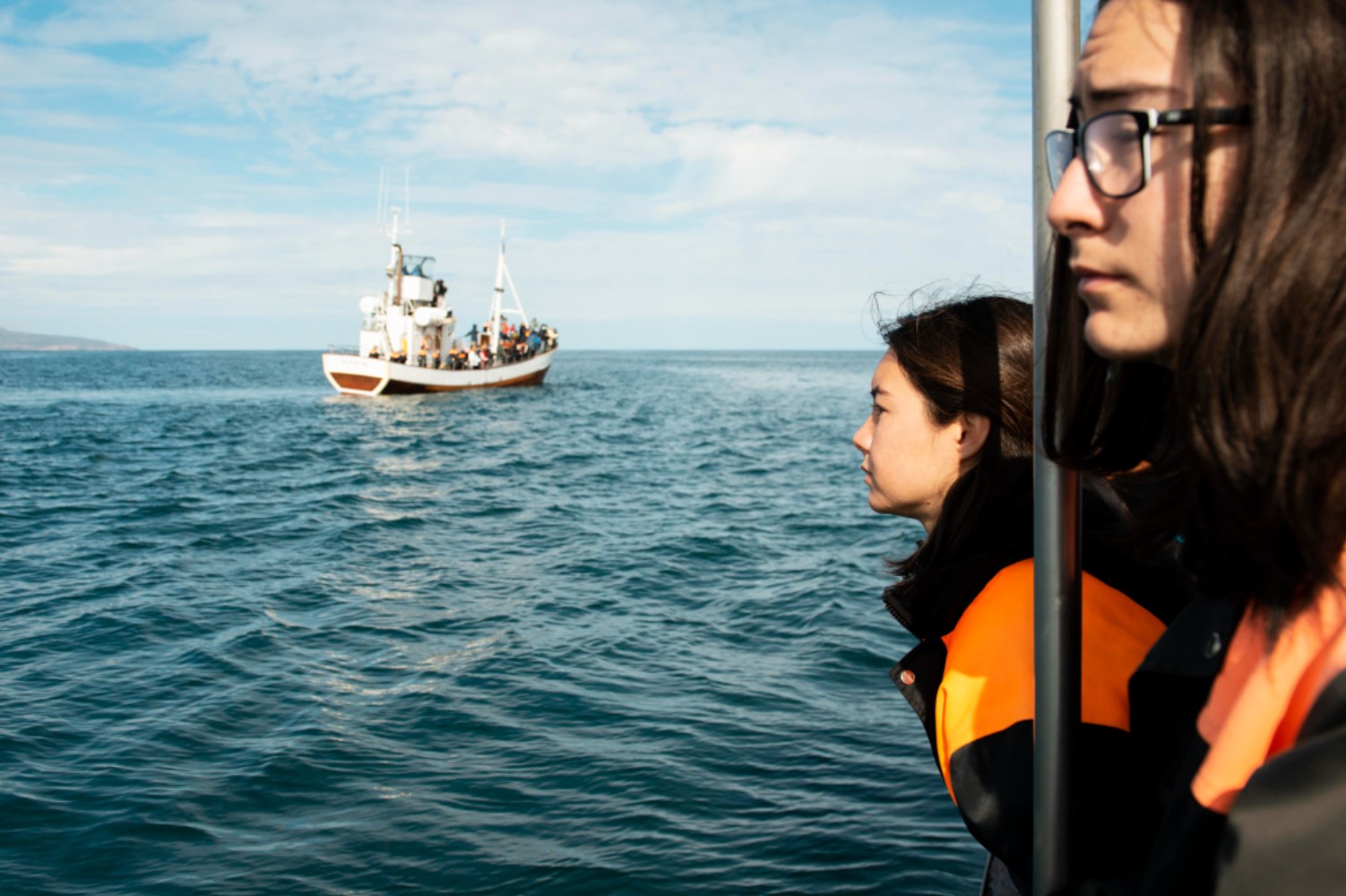
Marine biologist Jacob Geersen taught a weeklong field course at the University of Kiel back in 2021.
During the course, the students spent the entirety of the week aboard a research vessel in the Bay of Mecklenburg, which lies off the coast of Northern Germany in the Baltic Sea.
Students Begin Mapping the Ocean Floor

According to Geersen, per NPR, each night, the students mapped the seafloor at high resolution.
"Usually, if we go somewhere and do these measurements," says Geersen, "then we find something interesting." This is precisely what happened when the students received the results.
Students Discover Something Special
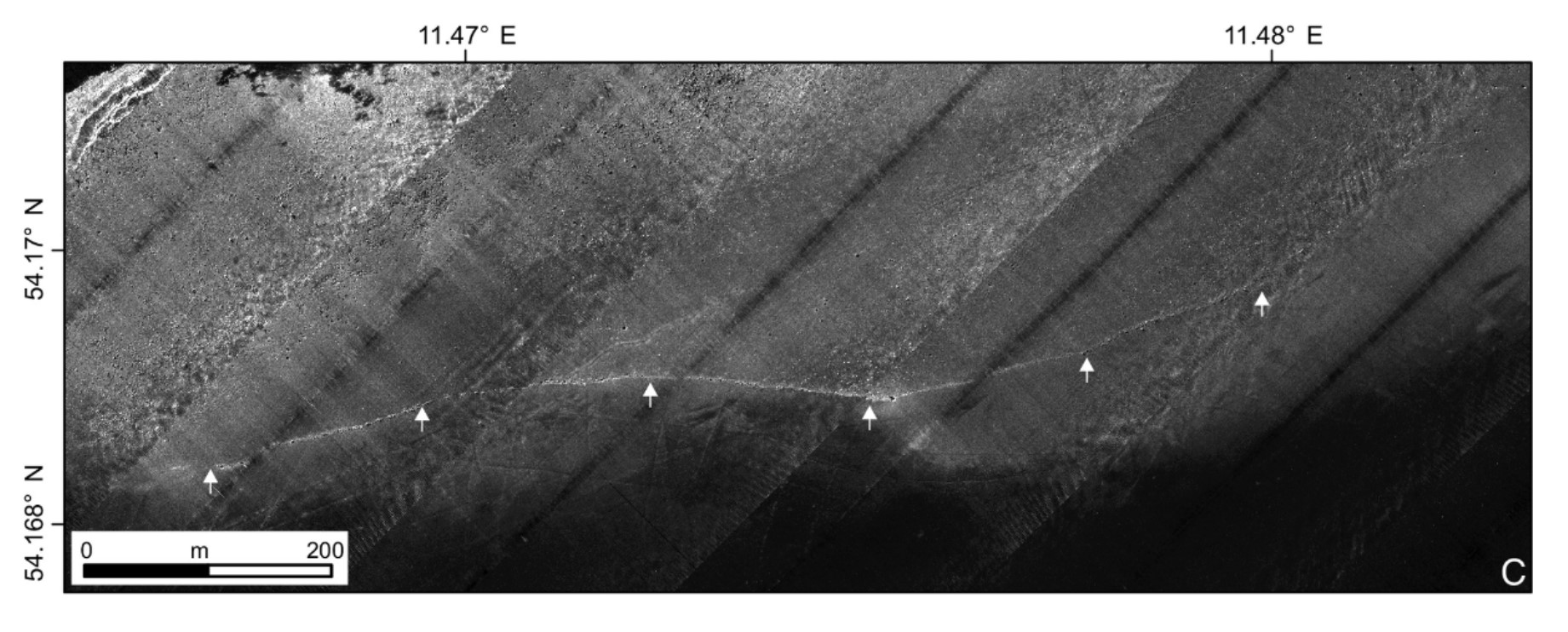
"The next day, we downloaded the data," says Geersen. "And it was then, when we were sitting together, we saw that there was something on the seafloor. It was something special."
What they didn’t know is that they had just discovered the remains of an ancient wall that could date back over 10,000 years.
Rows of Stones Deep Beneath the Baltic Sea
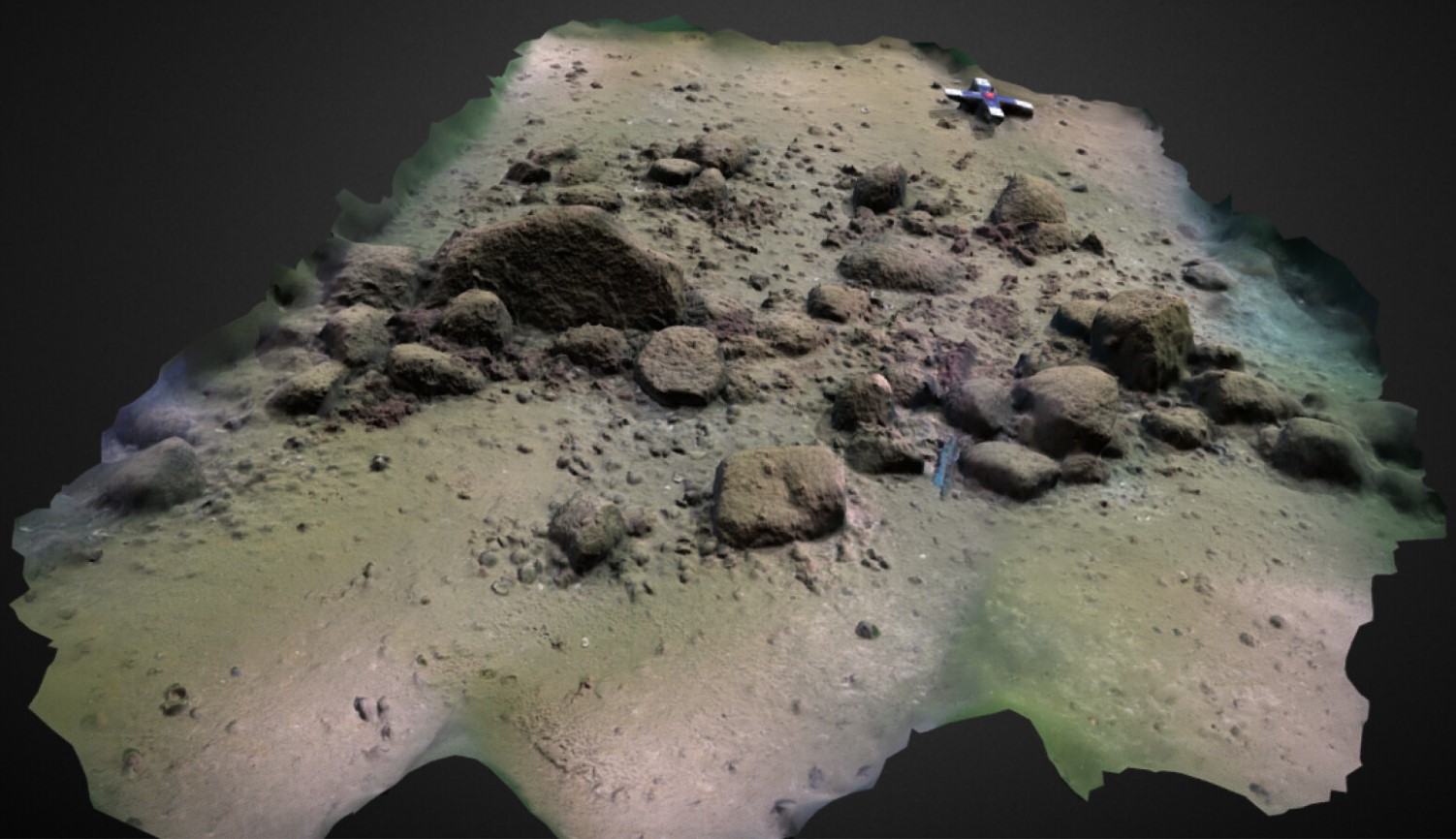
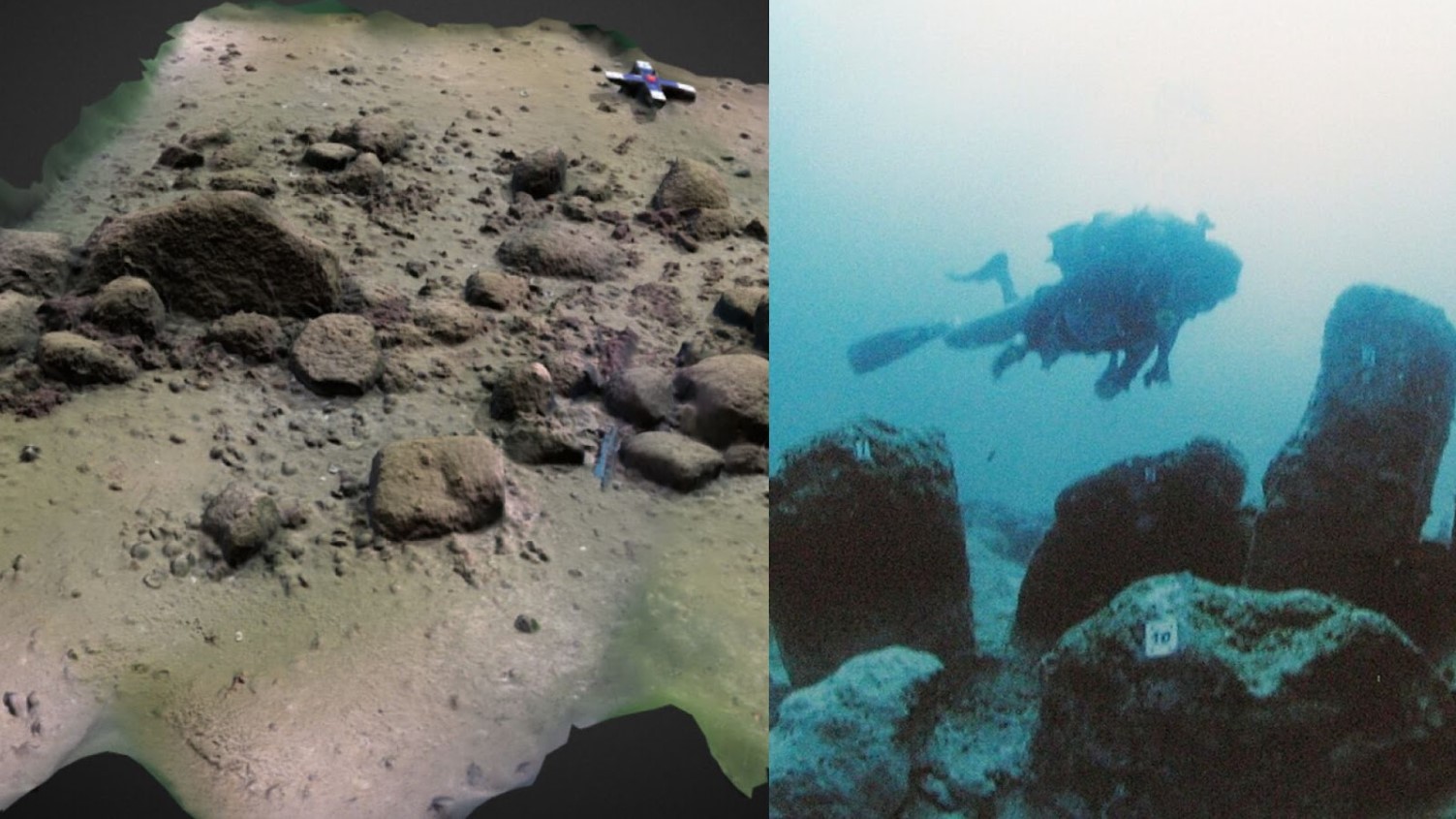
Further investigations revealed that the enormous mega-wall comprised around 1,700 stones that ran for more than half a mile.
According to CNN, the wall appears to have been human-made, as it was perfectly aligned, suggesting it was not a feat of nature.
Full-Scale Investigation Carried Out at the Site

The geologists later shared their findings with the Mecklenburg-Vorpommern State Office for Culture and Monument Preservation, which decided to investigate to understand the findings better.
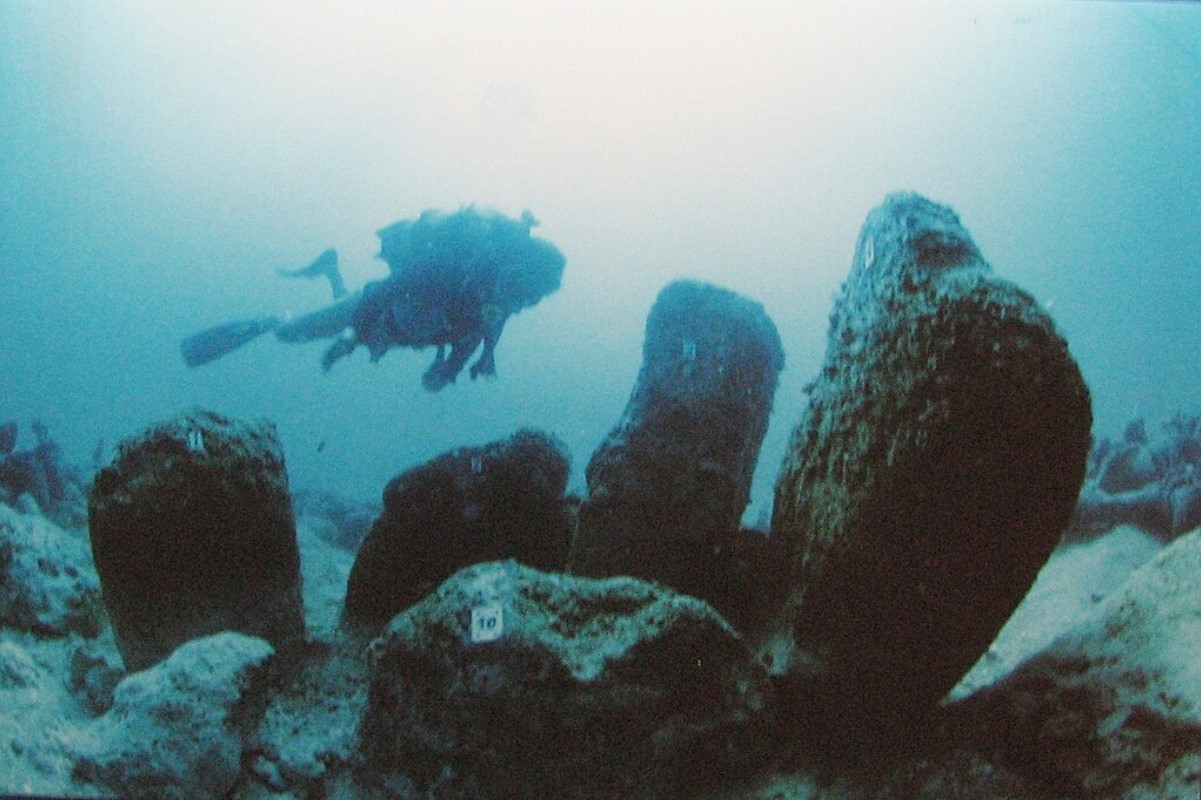
A team of divers and even underwater vehicles were employed to study the peculiar structure coined the Blinkerwall.
Researchers Release Study on Underwater Megastructure
After an extensive investigation, details of the structure were published in the journal Proceedings of the National Academy of Sciences.
Researchers determined that the Blinkerwall was part of a large Stone Age megastructure that extends to a large concentric mound on its northeastern side.
Researchers Suggest Wall Was Built in Ancient Times

Geersen, who led the study, told CNN, “Our investigations indicate that a natural origin of the underwater stonewall as well as its construction in modern times, for instance, in connection with submarine cable laying or stone harvesting, are not very likely.”
“The methodical arrangement of the many small stones that connect the large, non-moveable boulders speaks against this.”
The Megastructure Was Built Over 10,000 Years Ago
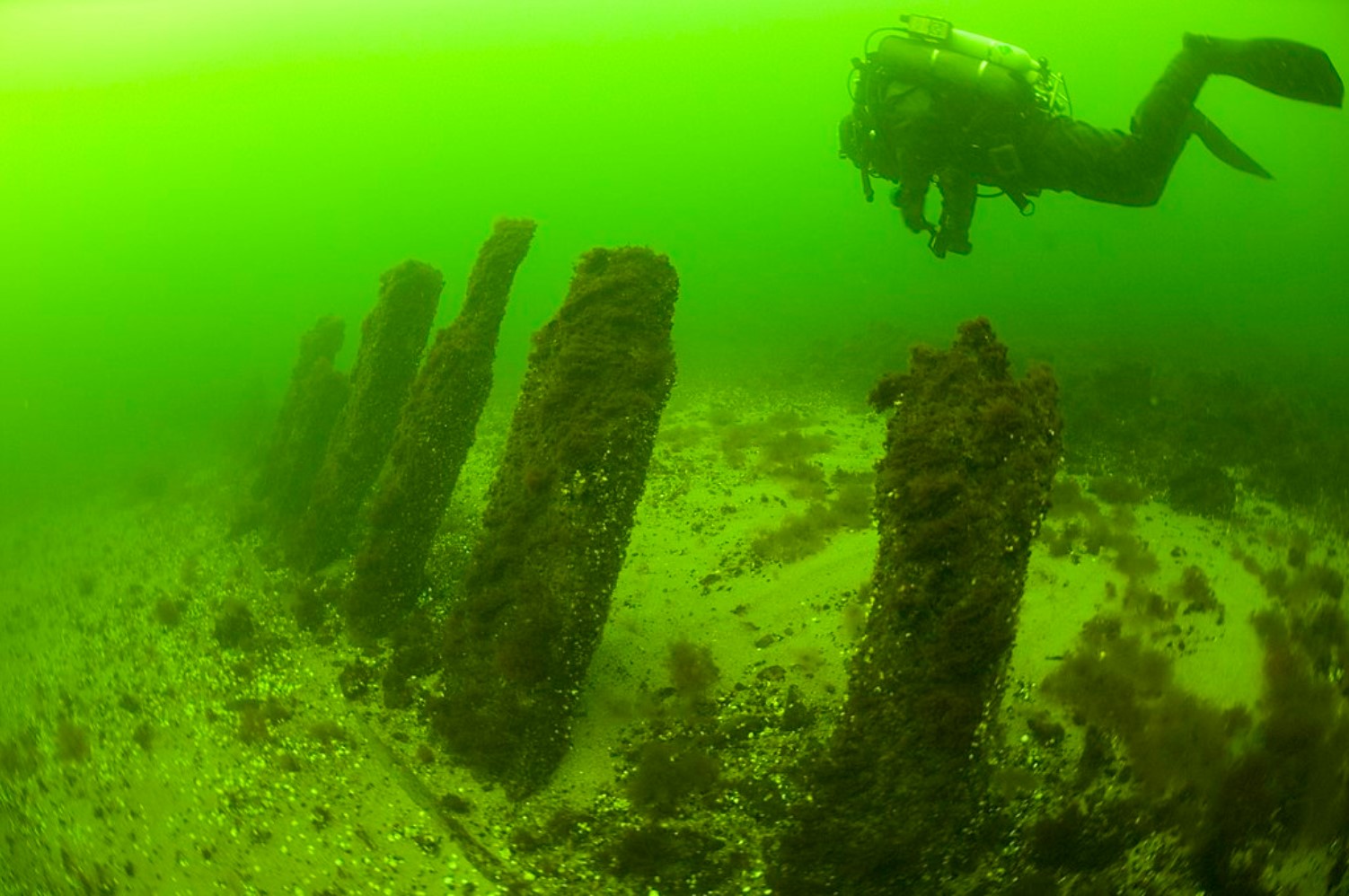
According to the report, researchers theorize the Blinkerwall was constructed over 10,000 years ago on the shoreline of a bog or lake.
However, after sea levels began to rise around 8,500 years ago, the Blinkerwall, alongside the surrounding landscape, slowly sank beneath the Baltic Sea.
Ancient Europeans Feast on Reindeer

During the era in which the structure was constructed, the ancient humans living in northern Europe’s primary source of food were herds of reindeer that migrated through the region.
“The wall was probably used to guide the reindeer into a bottleneck between the adjacent lakeshore and the wall, or even into the lake, where the Stone Age hunters could kill them more easily with their weapons,” said the study’s co-author Dr. Marcel Bradtmöller.
Hunters Used Specific Set of Skills to Hunt Reindeer

During this era, the hunters used various skills and weapons, such as bows, arrows, and spears, to kill their prey. At some point, they realized the reindeer would follow the path a wall.
“It seems that the animals are attracted by such linear structures and that they would rather follow the structure instead of trying to cross it, even if it is only 0.5 meters (1.6 feet) high,” Geersen said.
Ancient Baltic Sea Structure Changes Perception of Hunter-Gatherers
The ancient mega wall under the Baltic Sea has changed how researchers think about hunters gathered in ancient Europe, says Bradtmöller.
The effort of building such an extensive structure has led them to believe the groups may have been more territorial and stationary than once thought.